

Last week, we visited about fall seasonal color.
This week, we are talking about fall planting.
Is anyone wondering if we think that if we talk enough about fall, fall will actually happen?
Well, at this point we are willing to try anything to end summer and start fall.
Hey, the first day of fall, the Autumn Equinox, is this Tuesday.
Maybe that’s it…Fall is waiting for the official first day to start?
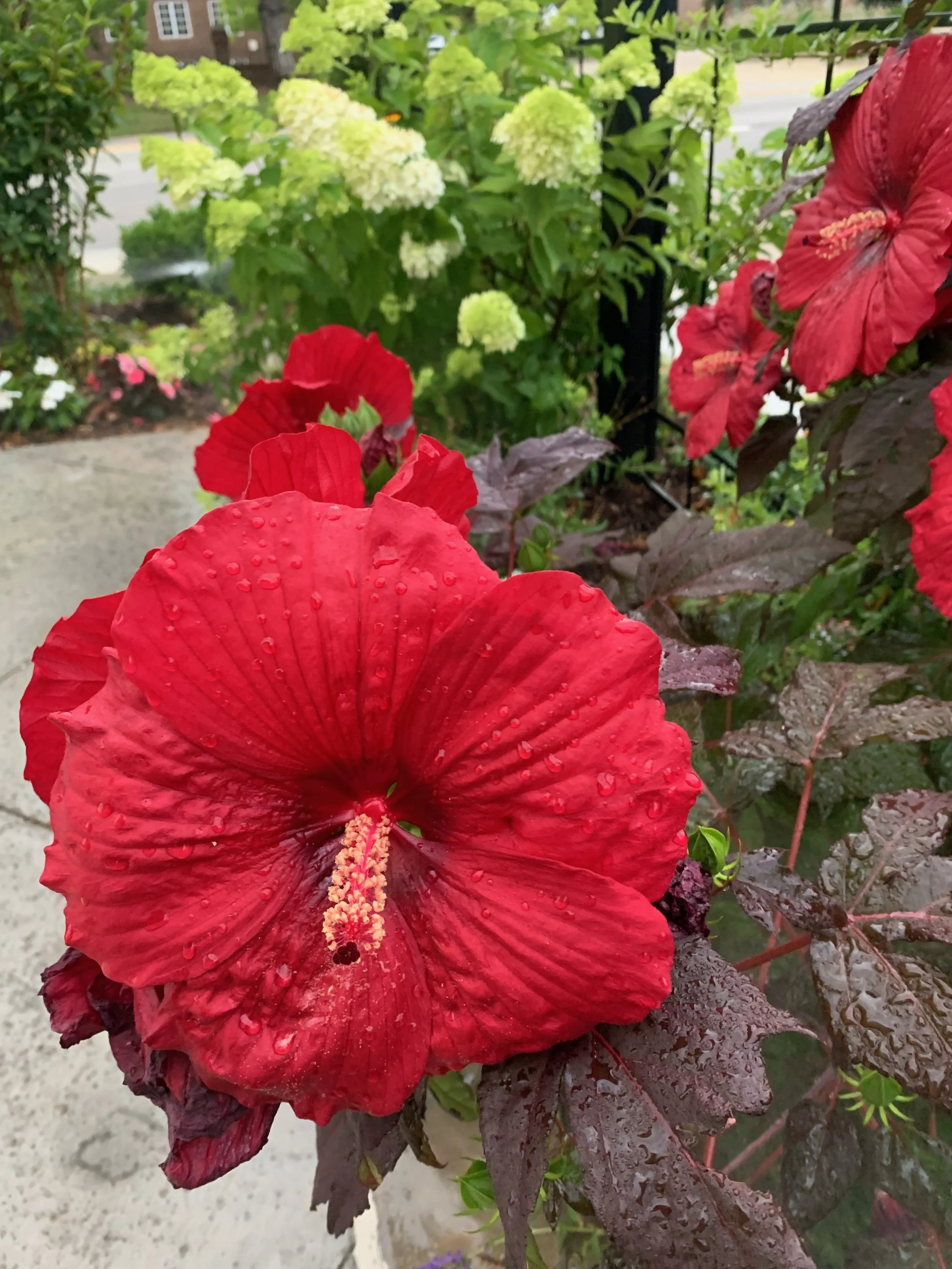
Hardy Hibiscus is a large, shrub type perennial with large flowers through the heat of summer.
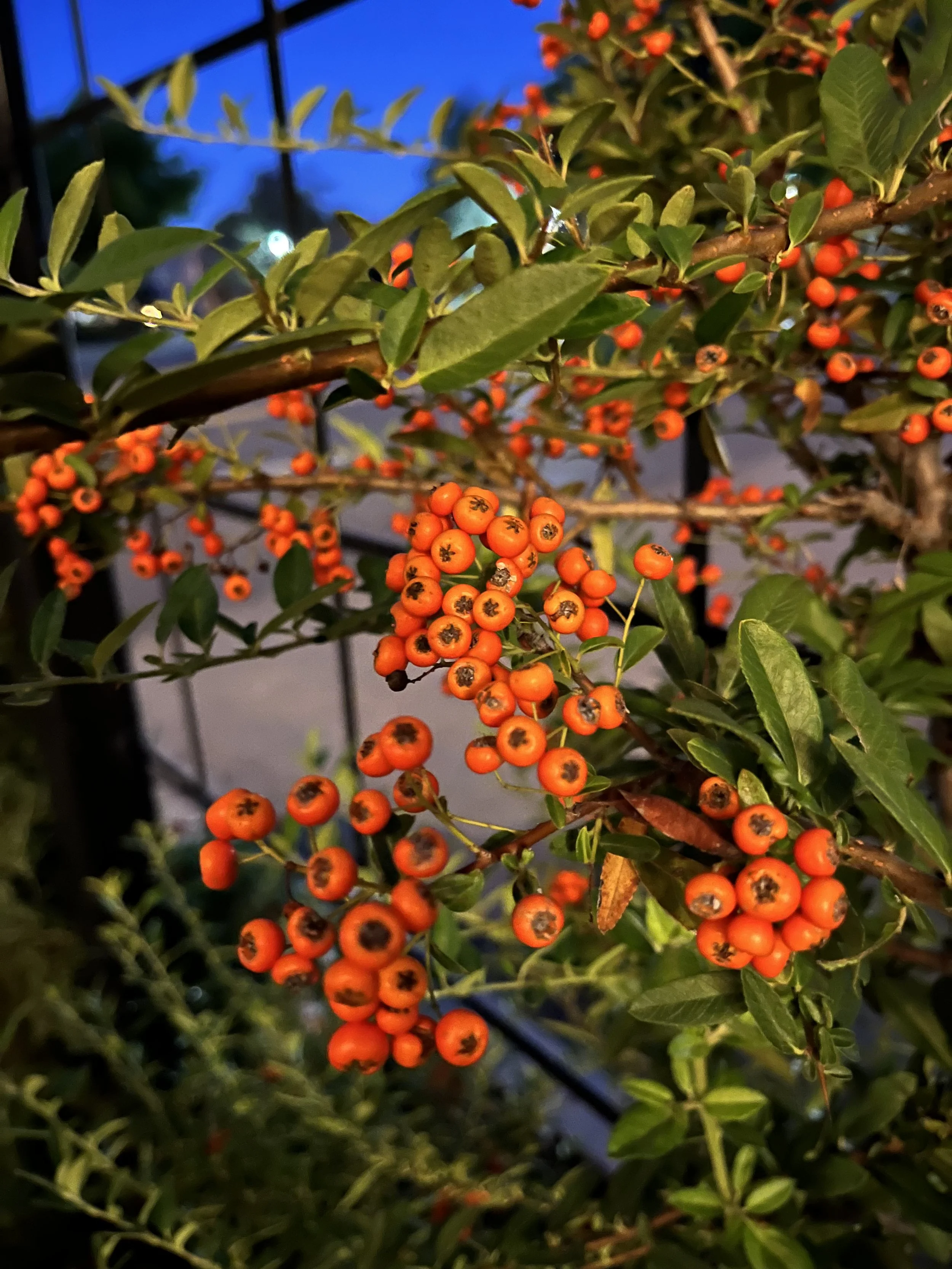
Pyracantha is an old fashioned shrub with bright orange to red berries in the fall and winter.
There are a lot of trees, shrubs, perennials, and groundcover that have suffered through the heat and drought of the Summer of ’26. Extreme weather patterns, any extreme weather pattern…hot too long, cold too long, dry too long, too much rain…any extreme weather has a way of finding the weaker plants.
The weaker plant may be a plant that is marginal in our climate but does well as long as our weather is moderate. The weaker plant may be one that wasn’t as healthy as you thought it was and when the heat and drought extended through August and into September, they were done.
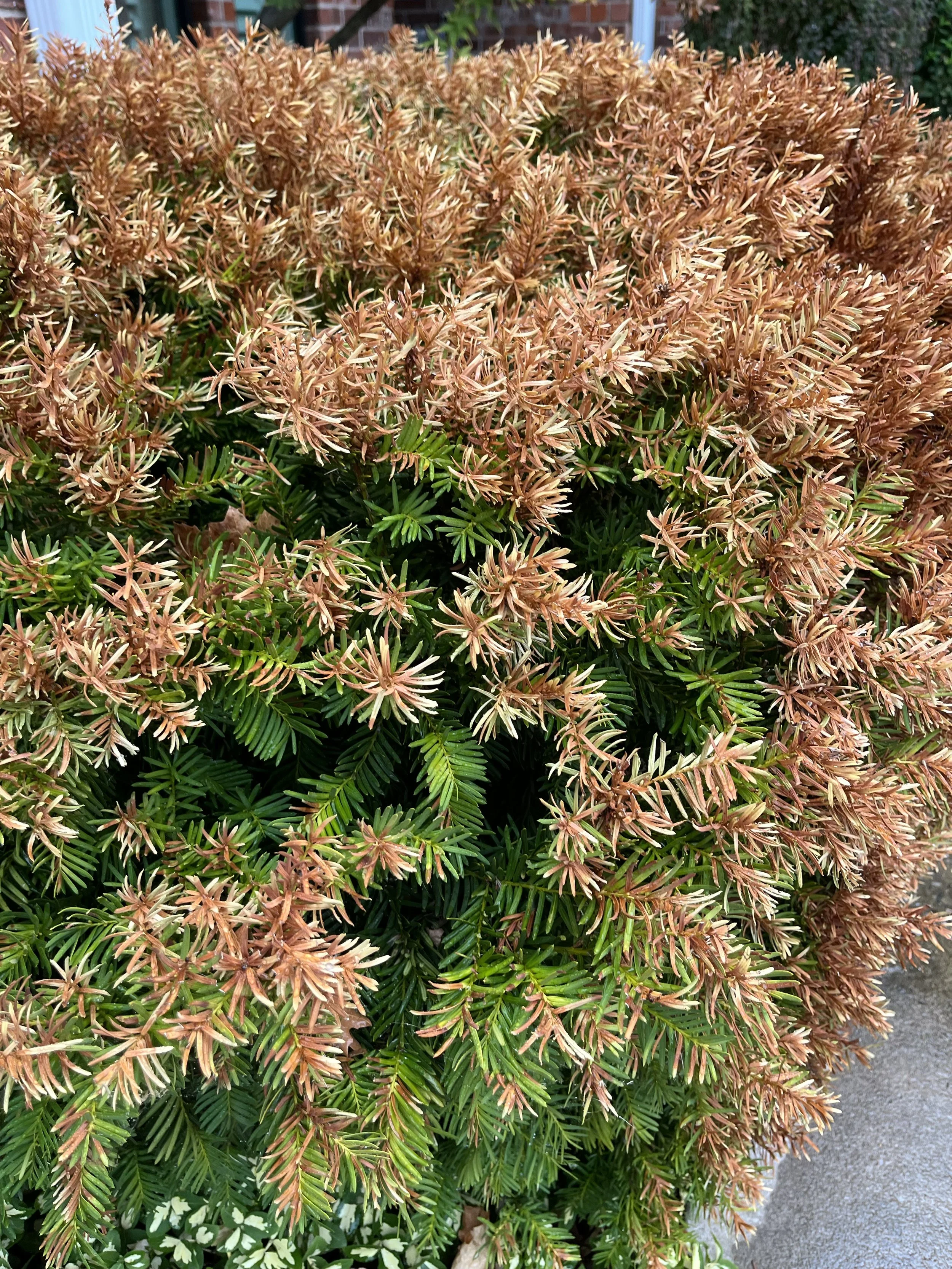
Many shrubs and trees that have thrived for years have struggled this summer. One example is this yew. It is planted where it receives some afternoon sun and always looked healthy. This year with the extended heat, the plant needles appear burnt and have turned brown. This one will recover. But if you have a shrub that will not recover, fall is the time to replace it.
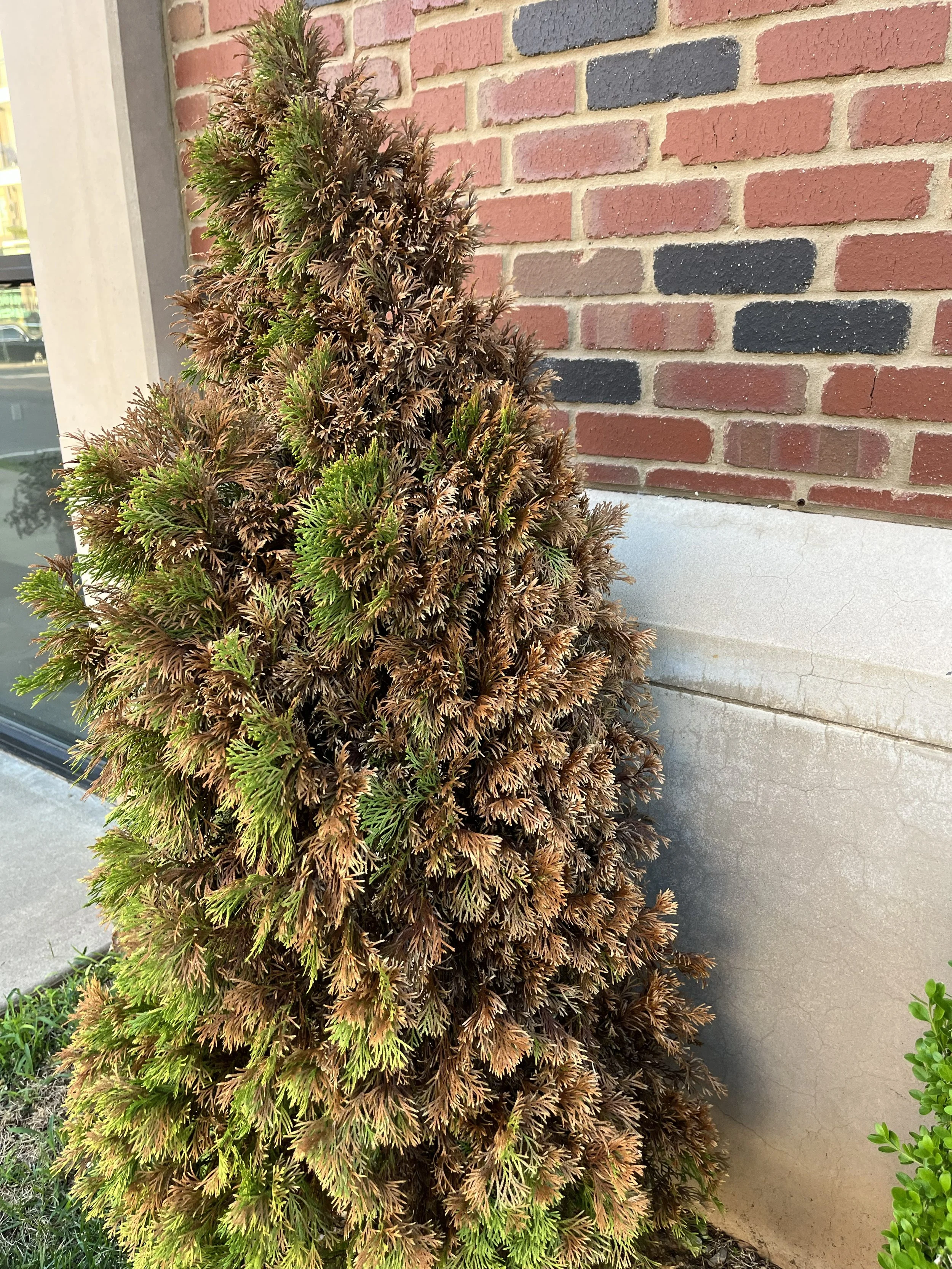
A plant that usually does well in our area but has struggled this summer is the arborvitae. No doubt many will need to be replanted this fall.
For whatever reason, if you have plants that did not survive the summer, fall is the time to replace them.
But, isn’t spring the best time to plant?
Spring is when we all get the bug to add something new to our landscape.
Spring is when garden centers are loaded with colorful plants just begging us to take them home.
The belief that spring is the best time to add new shrubs and trees to your landscape is a myth.
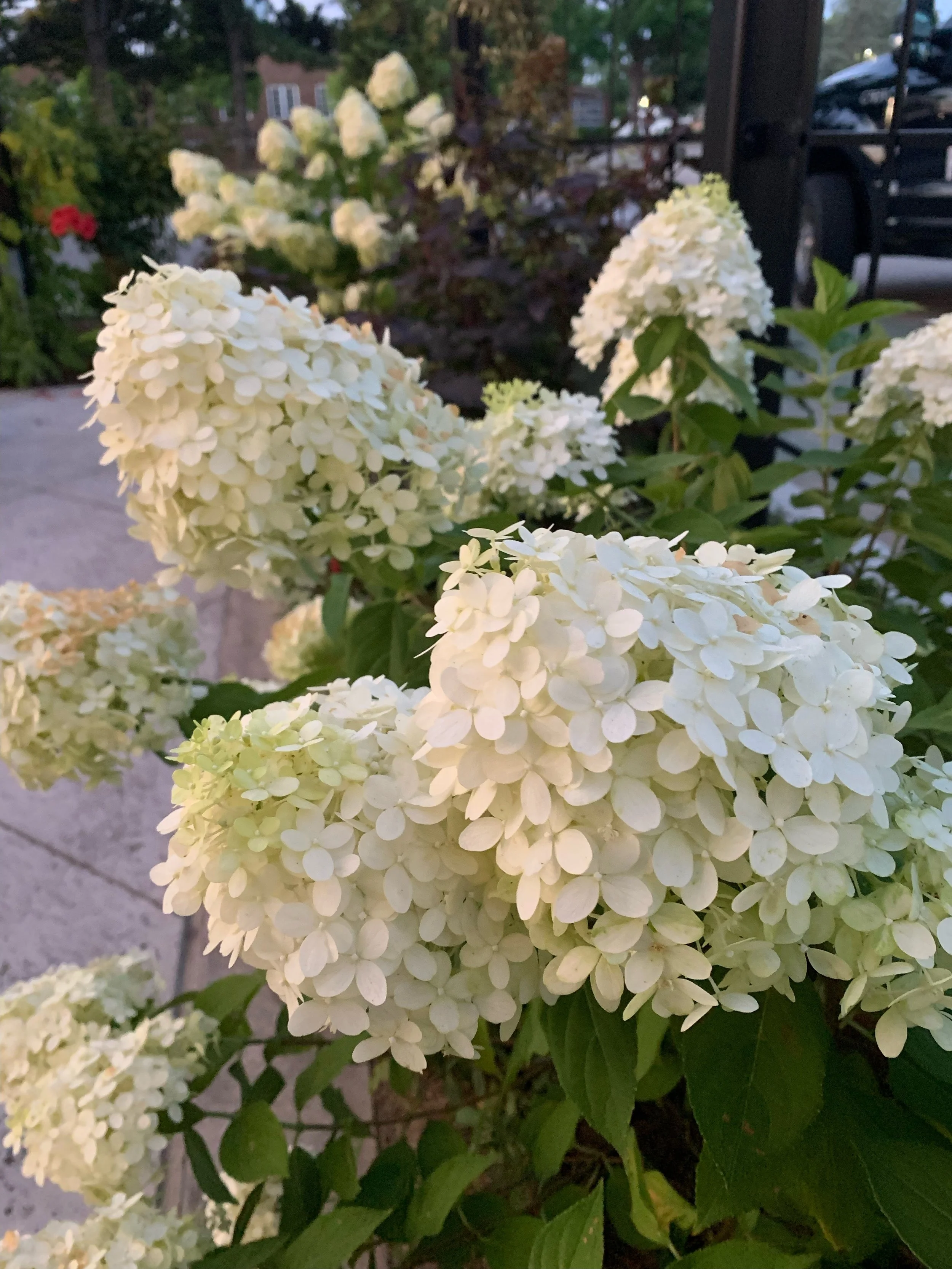
Limelight Hydrangeas brighten the late summer landscape with white blooms that fade to like green.
Four reasons why fall is the best time to plant:
1. Warm Soil Equals Root Growth
Soil temperatures remain warm well into the fall and early winter resulting in root development. Shrubs and trees put their energy into growing roots more in the fall than any other time of the year. Fall planted landscape materials have more time for the root system to become established before the onset of summer heat. Plants installed in the spring don’t have the root system needed for growth and spend the first summer just trying to survive.
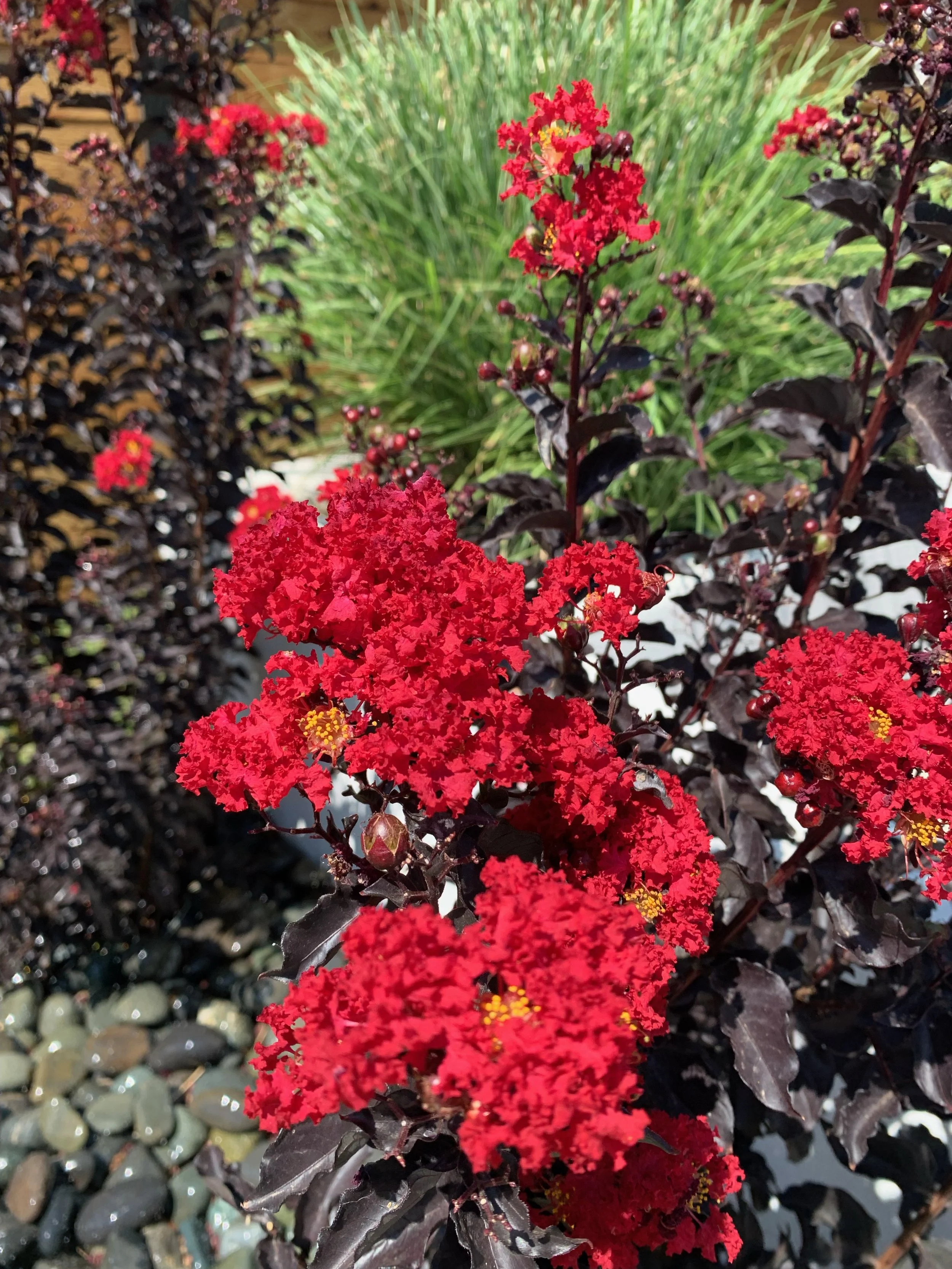
Ebony Fire Red Crape Myrtle with intense, black foliage, is a fun twist on a traditional plant. Ebony and Ivory is a white blooming black leaf Crape Myrtle.
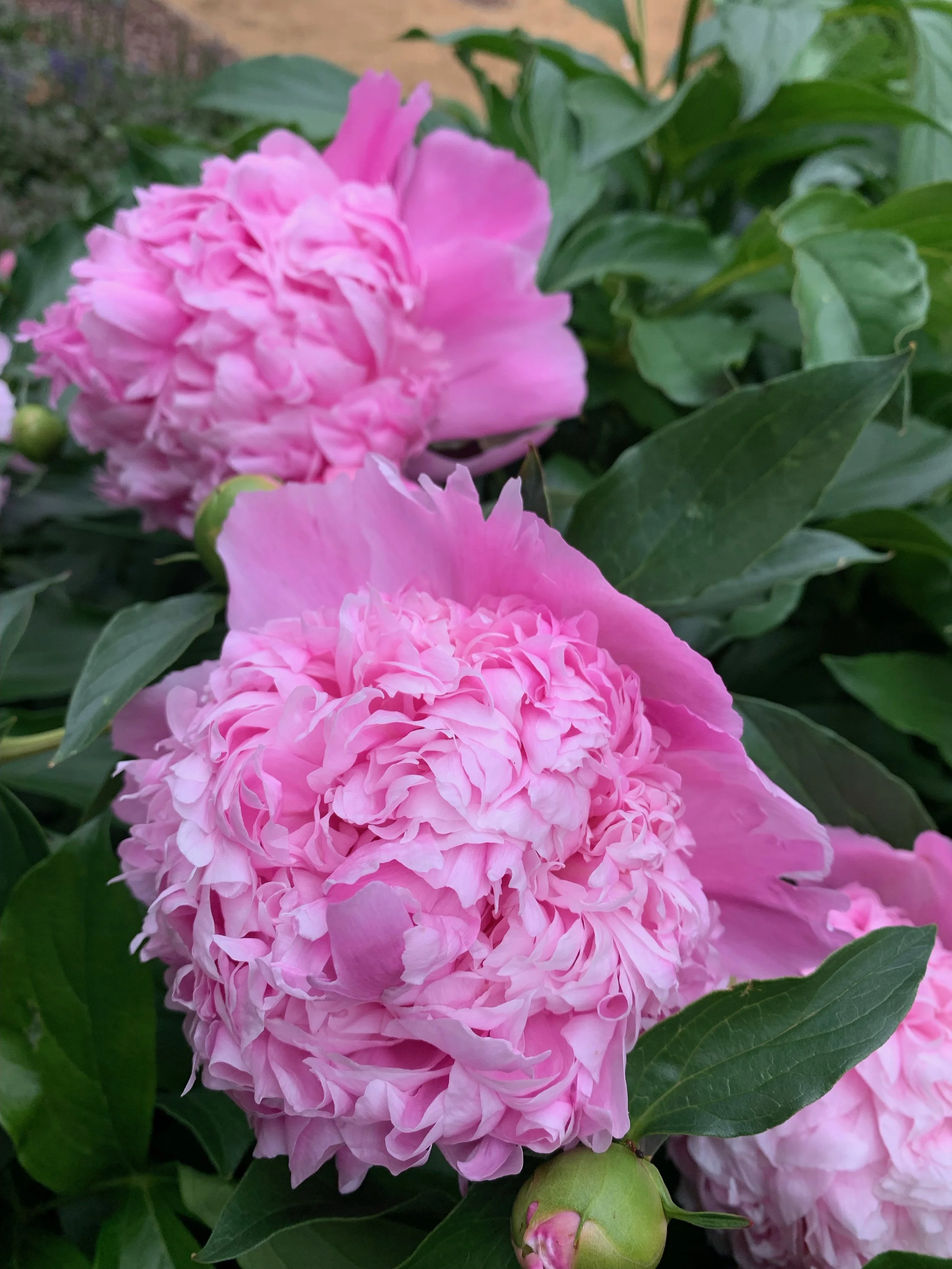
Peonies, a perennial, puts on a dynamic burst of color in mid spring with large blooms that are great for cut flowers.
3. Fall Weather Brings More Moisture
Spring and summer planted shrubs and trees require supplemental, deep soaking during the summer. During the summer, newly planted trees and shrubs need at least 2” of moisture per week. But, during the fall and winter, when temperatures are cooler, plant materials require a lot less moisture, only ½ to 1” of moisture per week, which is much more likely to occur naturally. During the summer, chances are you will be spending time hand watering a spring planted landscape just trying to keep it alive.
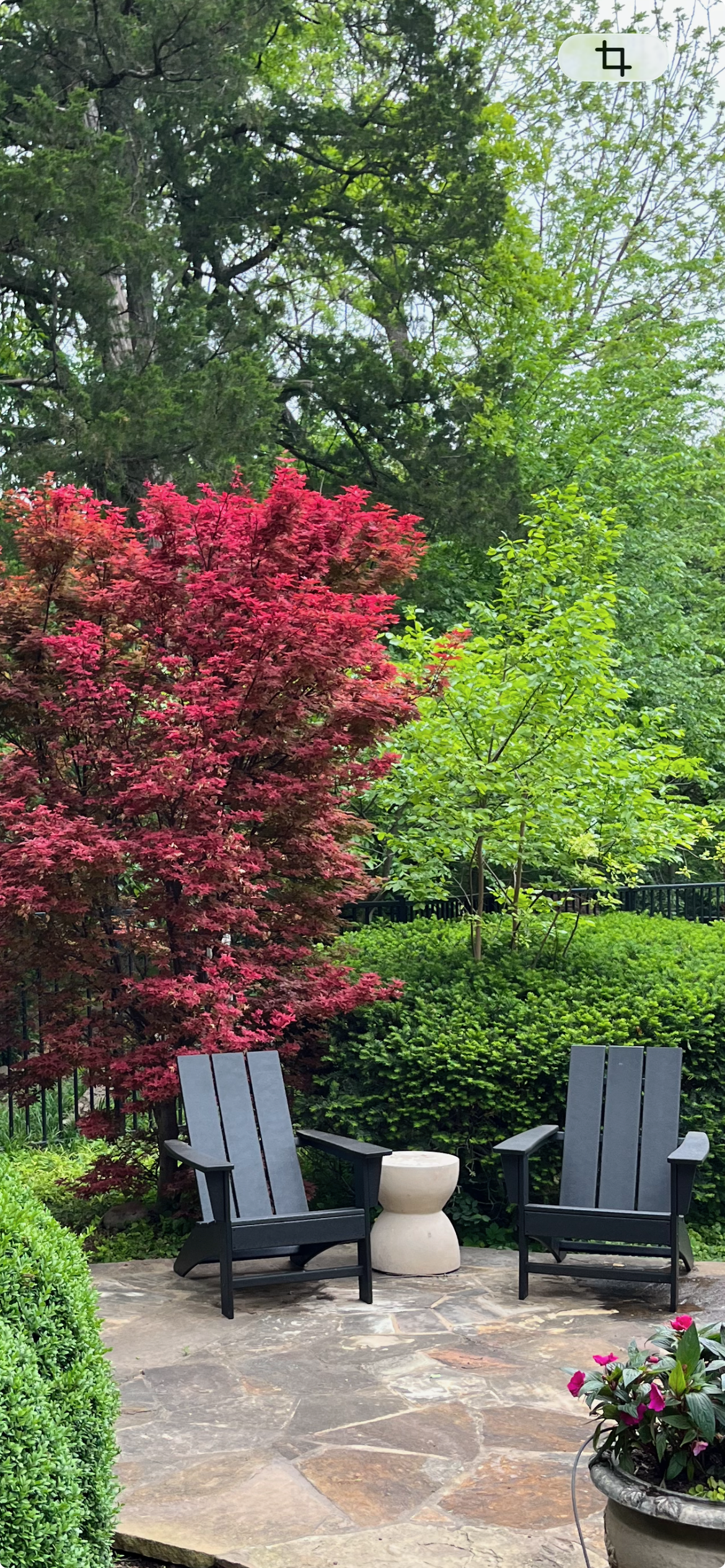
Plant a Japanese Maple this fall and have more red in your landscape next spring when leaves emerge.
4. Head Start on Next Year
This is the biggest reason you should plant in the fall…. Fall planted materials can gain an entire year of development over spring and summer planted shrubs and trees. Fall plants will start developing roots soon after planting. Next spring and summer they will have a root system that will produce top growth. Spring and summer planted materials produce little growth until they develop roots in the fall. It has been my experience that most 3-gallon shrubs planted in the fall will be the same size as a 5-gallon shrub planted in the spring after one season. Save money. Plant in the fall.
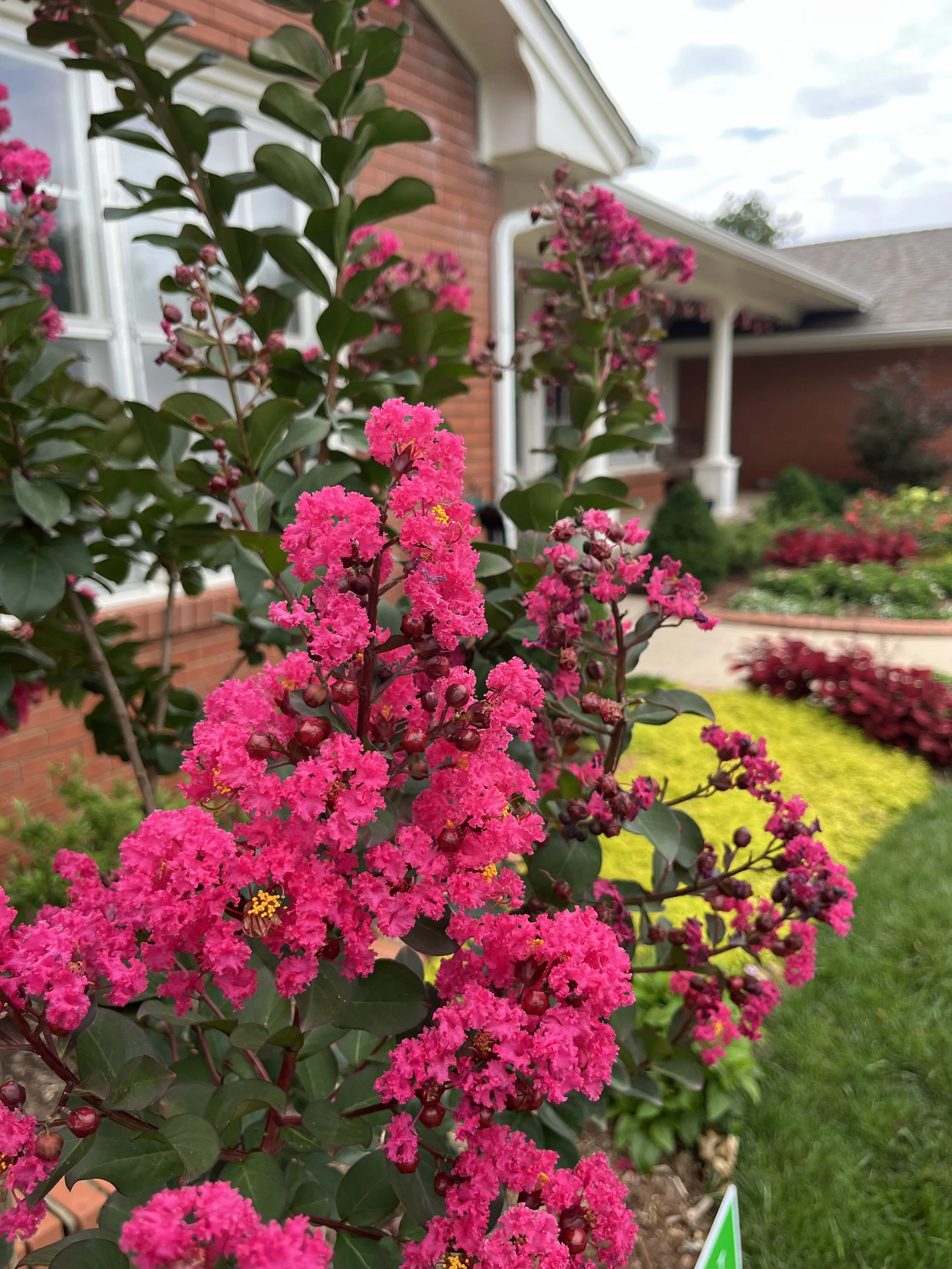
Crape Myrtles planted in the fall will bloom more their first season than ones planted in the spring or summer.
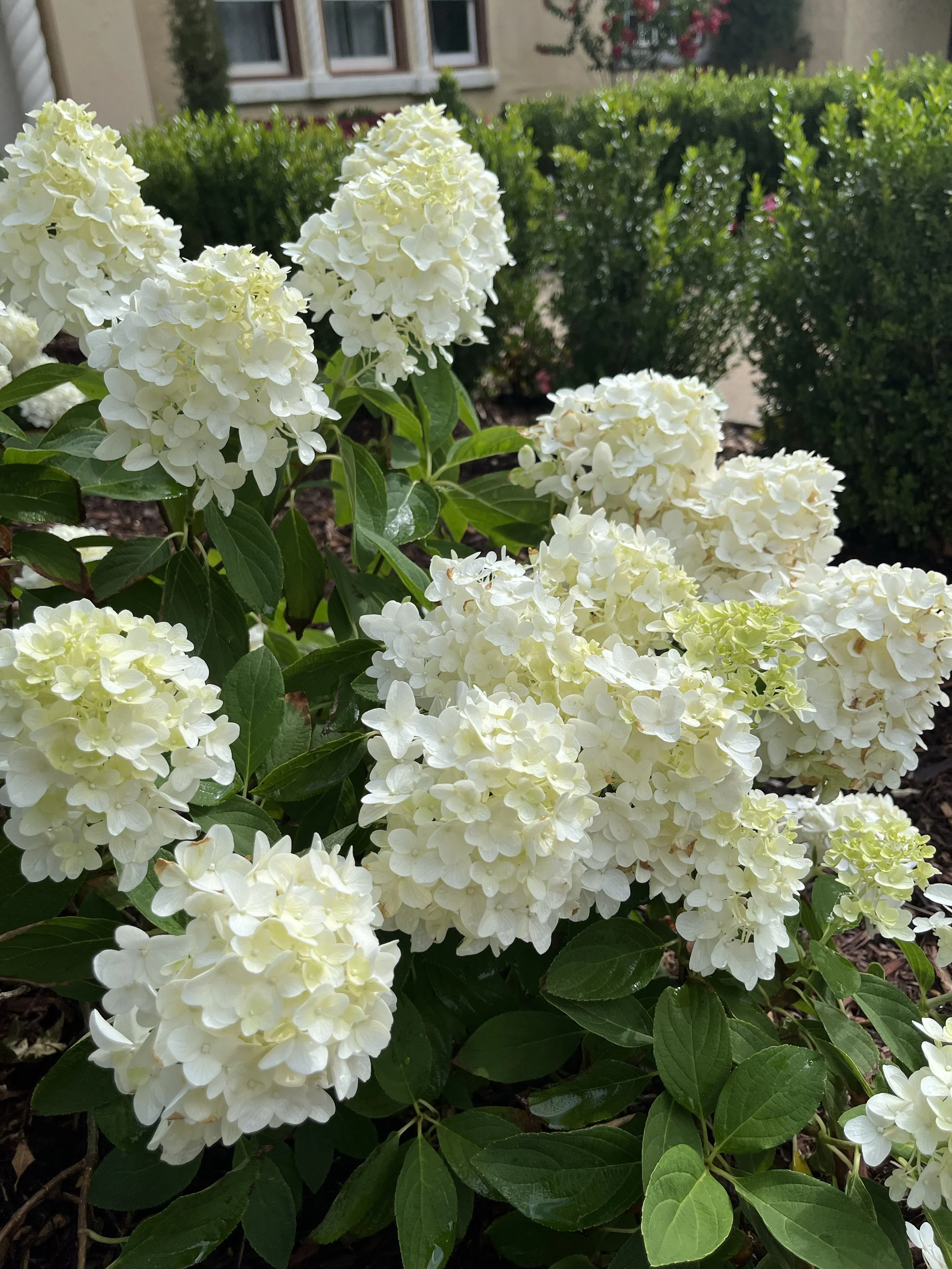
Limelight Hydrangea adds large white blooms to the late summer landscape.
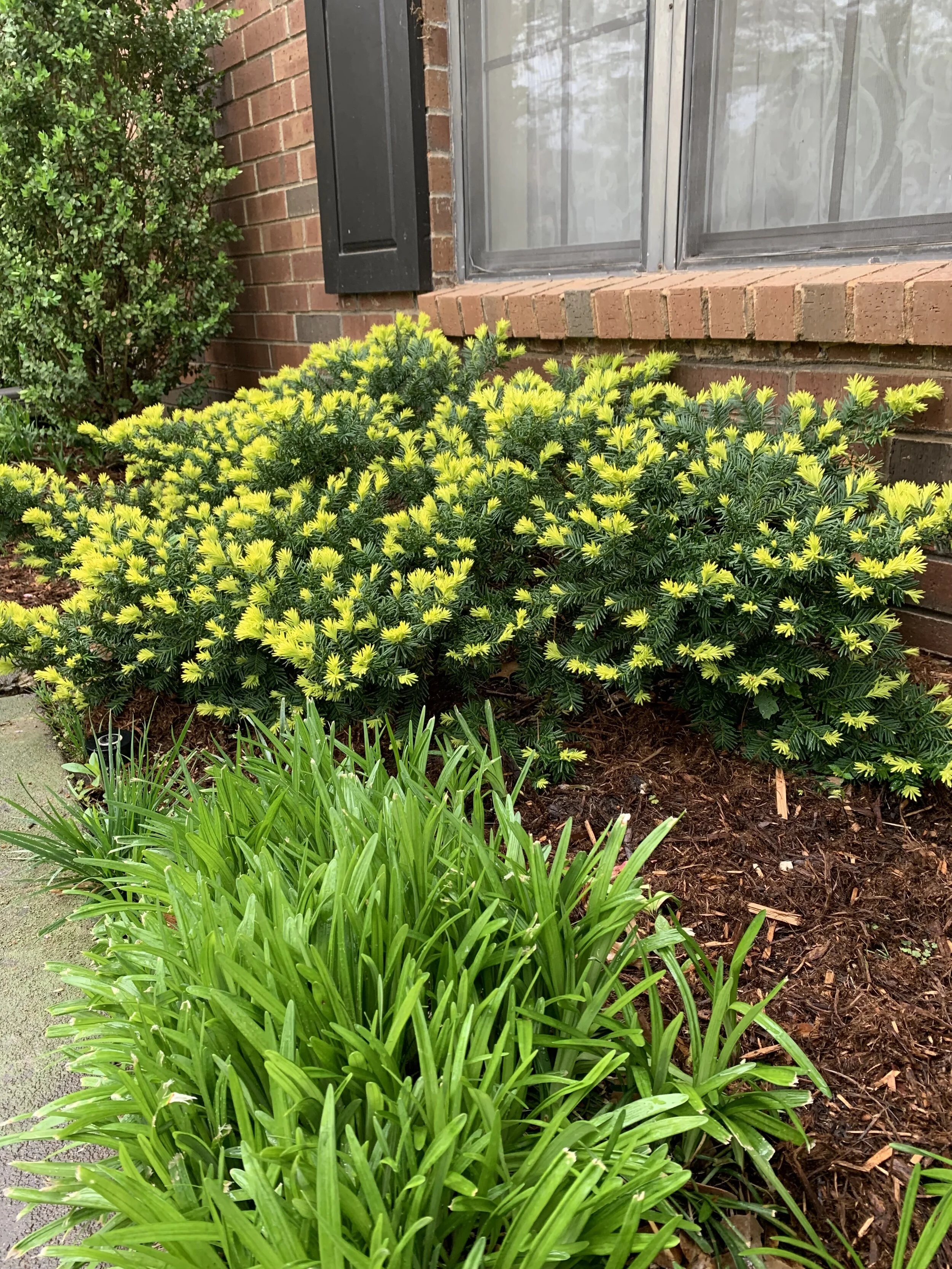
A great evergreen shrub for shady areas is the Japanese Yew.
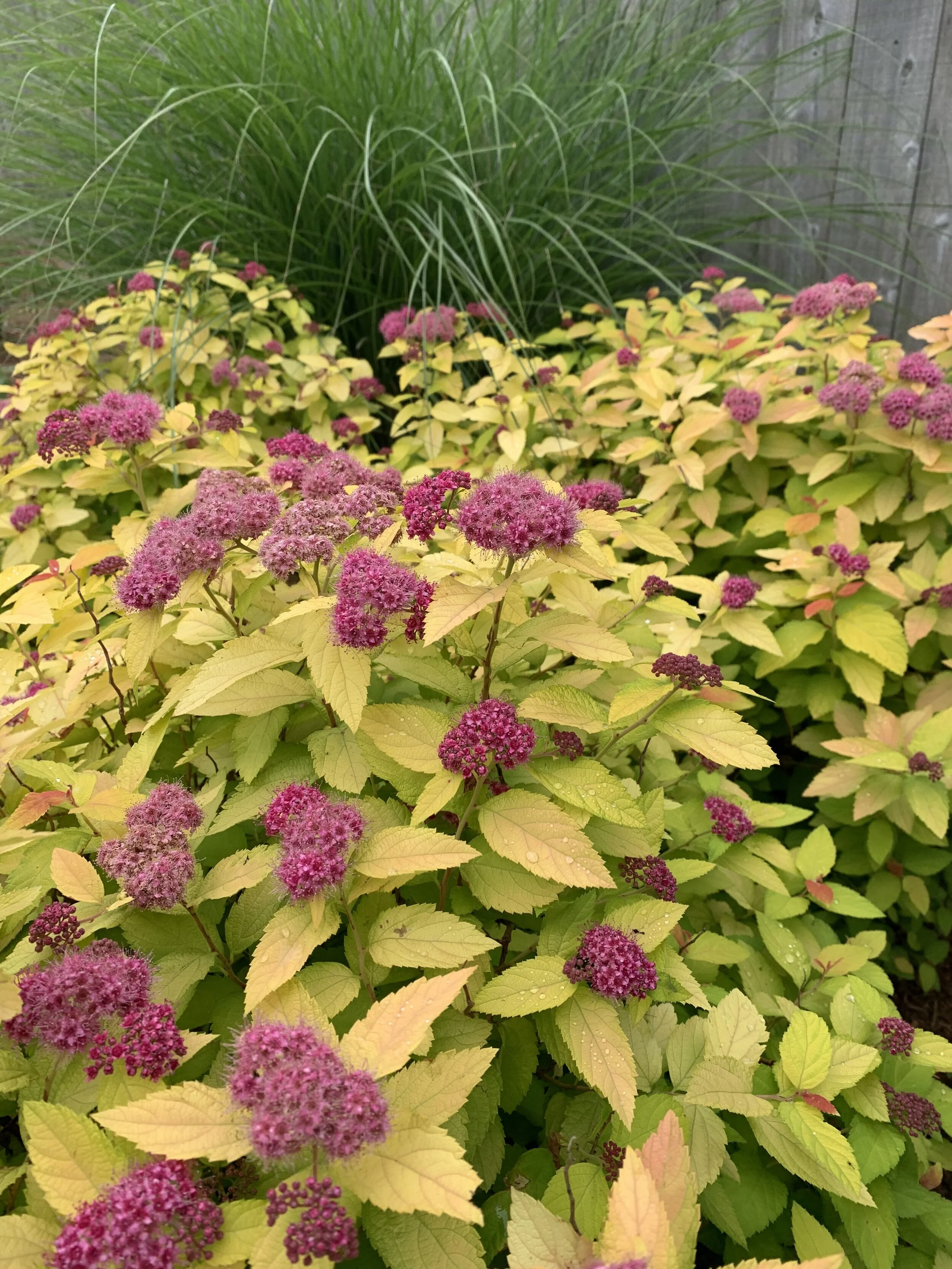
Goldmound Spirea is very similar to Limemound only with yellow-gold foliage.
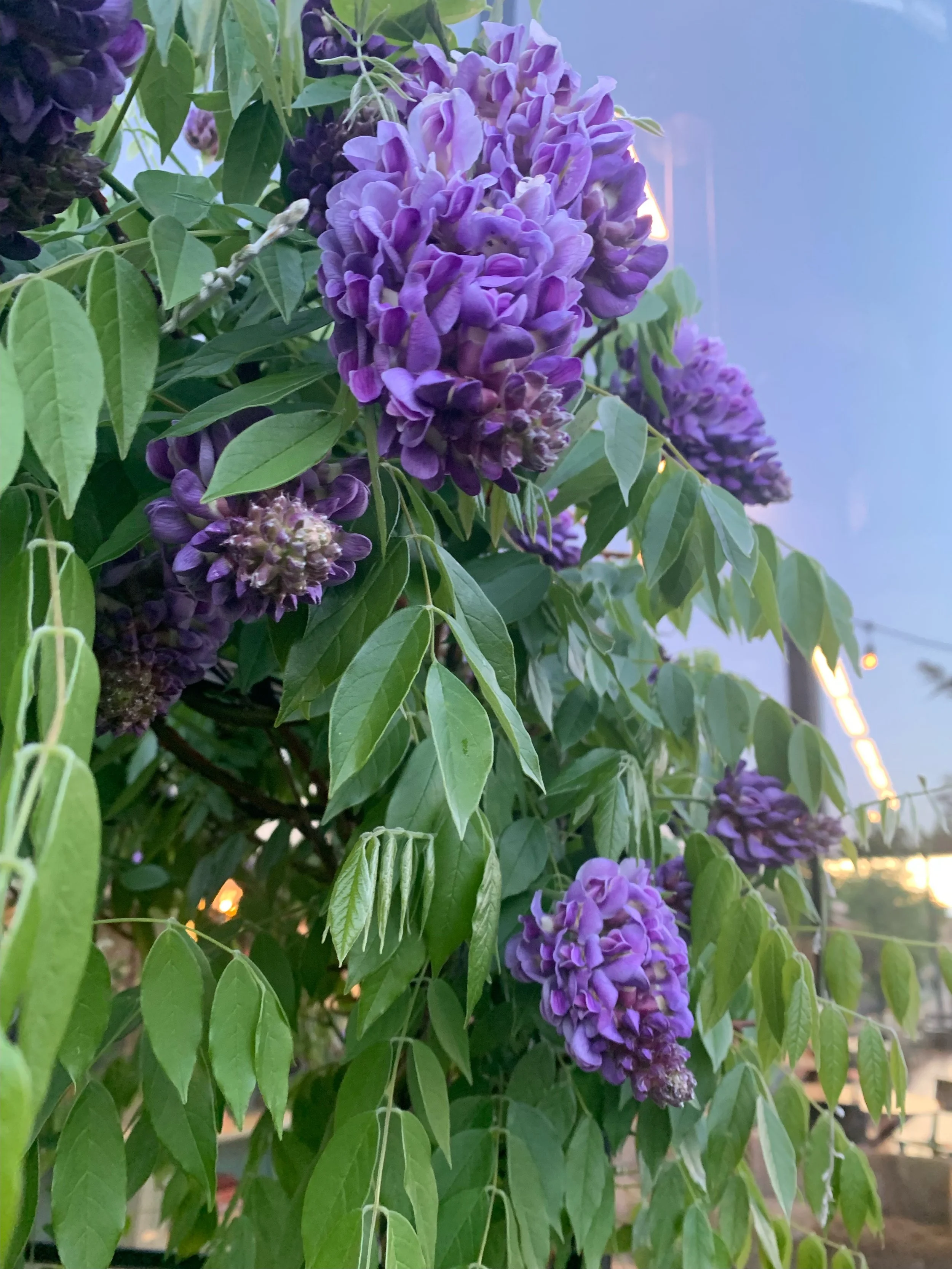
Wisteria produces showy clusters of fragrant purple flowers. Great for training on an arbor, trellis or fence.
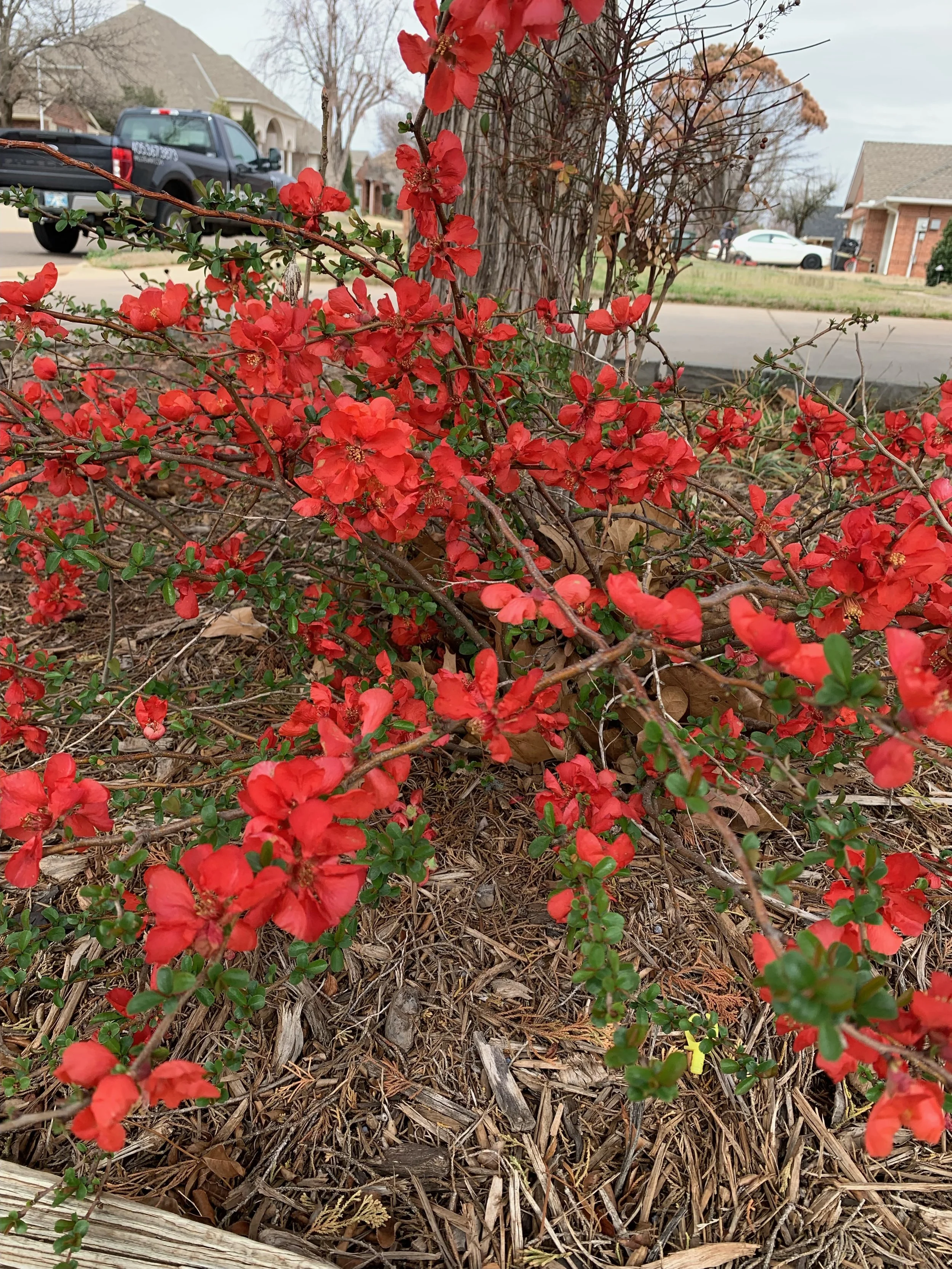
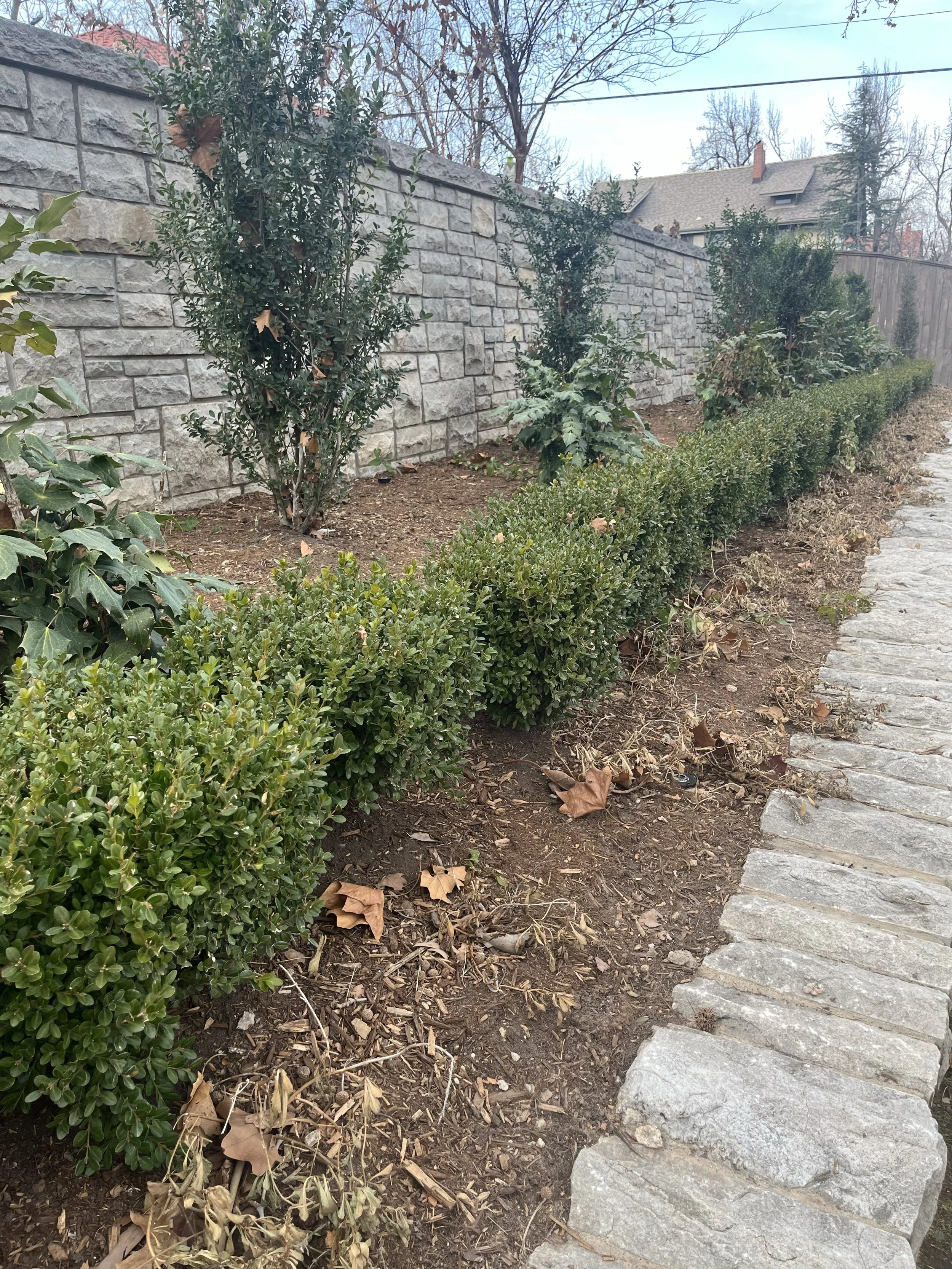
Thinking of adding a row of shrubs to your landscape? Save money by using a smaller size in the fall. Often they will catch up in size the next spring.
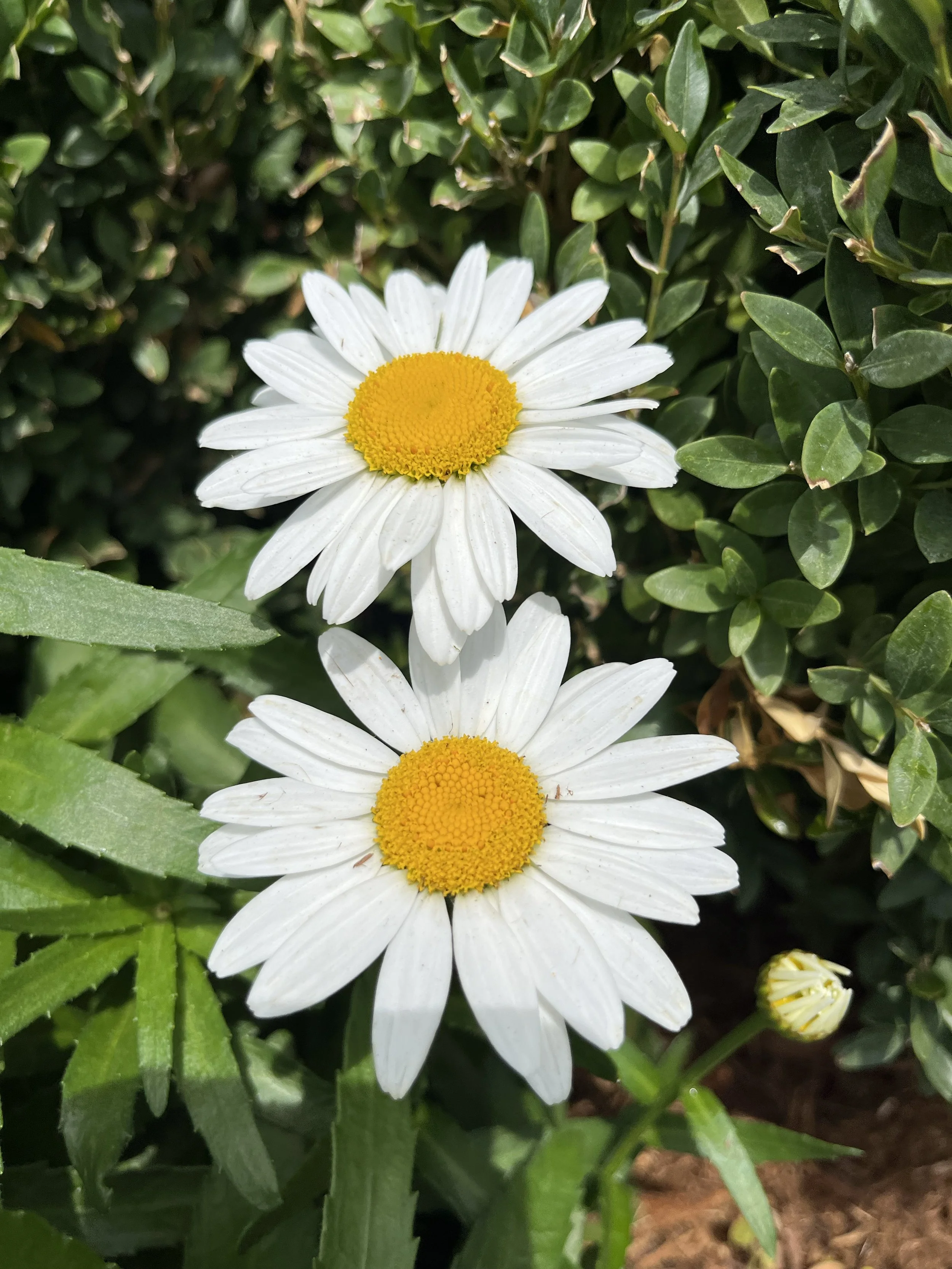
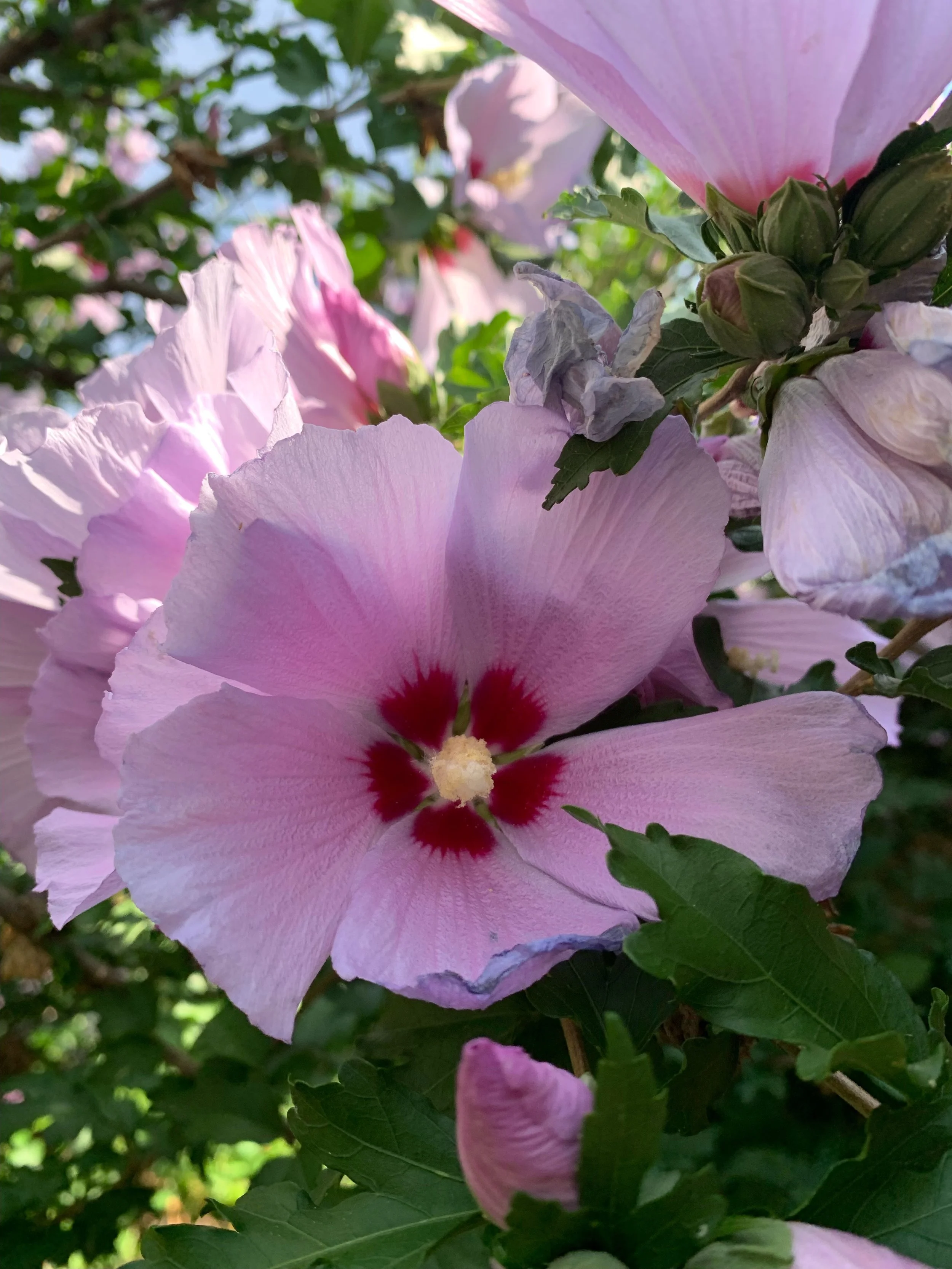
Rose of Sharon is a blooming large shrub to small tree that adds a soft color to the summer landscape. Blooms range from white, pink, and purple shades.

Plant perennials in the fall for great early blooms next spring.

Limemound Spirea returned to my favorite list this year for their hardiness and the interest they add to the landscape with their soft pink blooms and light green color.
2. Cool Days Are Less Stressful
Warm days are hard on all plants and are particularly hard on the newly planted. New shrubs and trees have a limited root system that struggles to support plant leaves in the heat resulting in desiccated, burnt leaves.
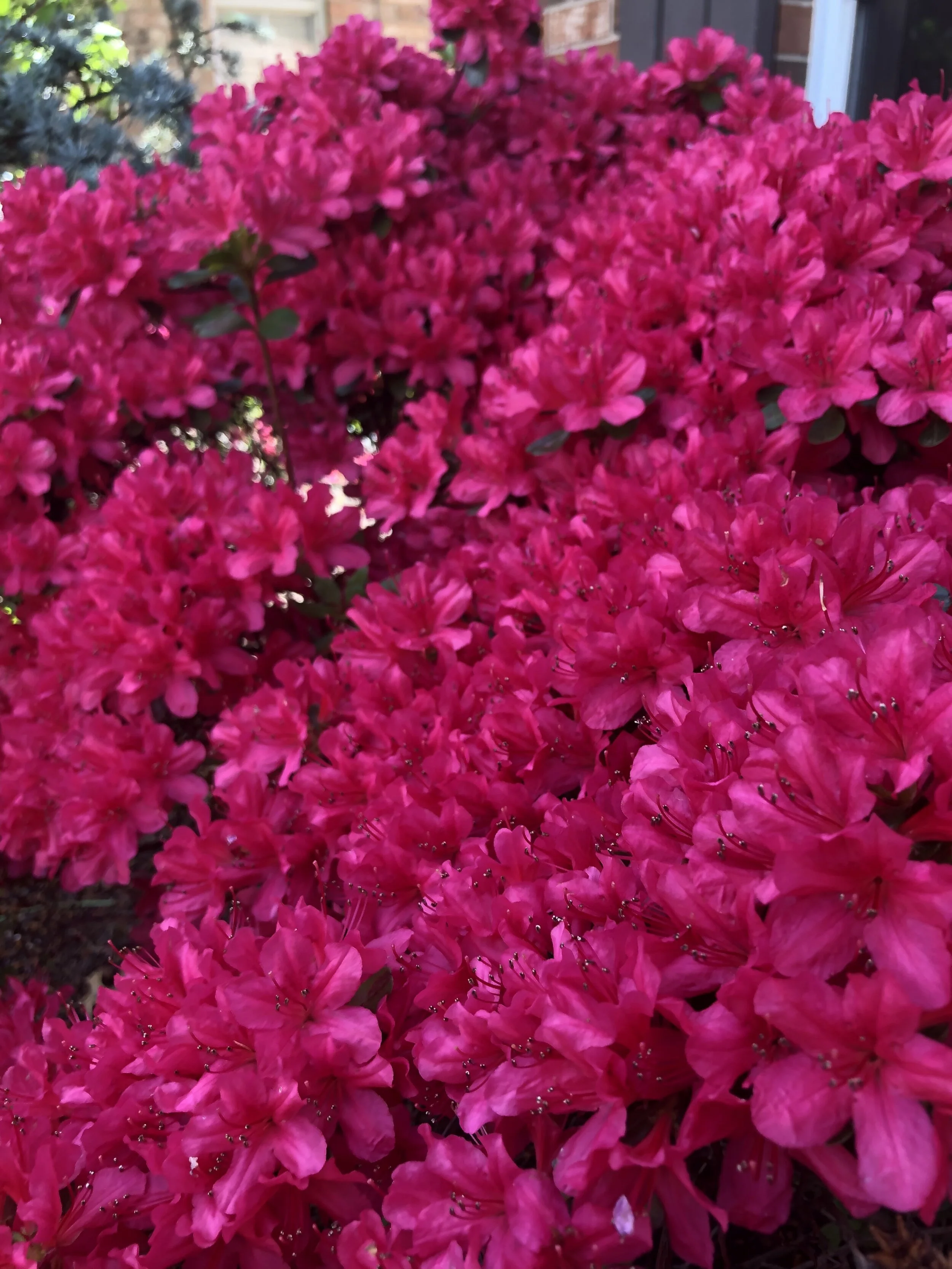
When azalea are planted in the fall, they establish roots and bloom well next spring.
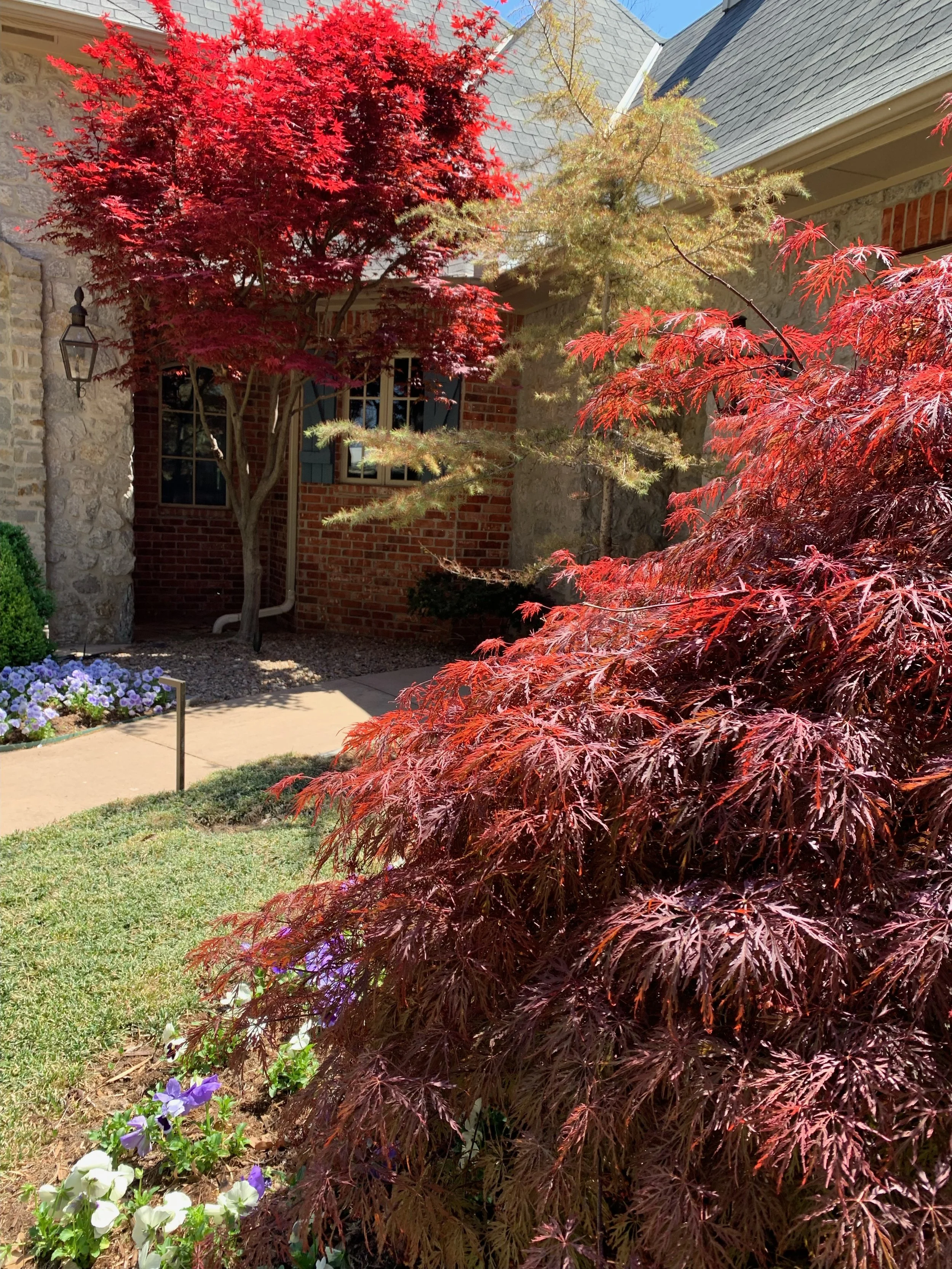
Japanese Maples add bright red leaves to the spring landscape.
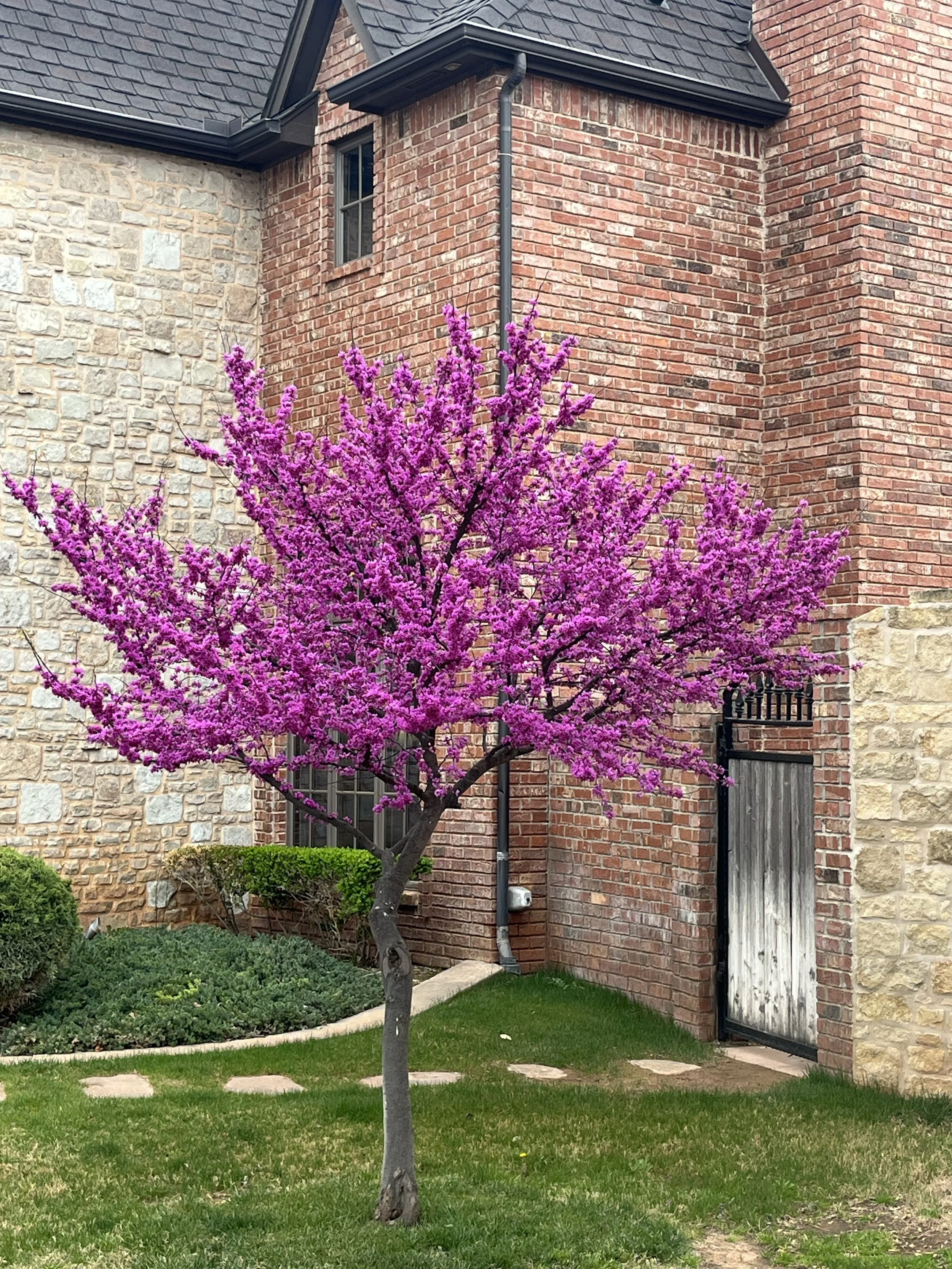
Looking to add more spring color to your landscape? Add an Oklahoma Redbud to your landscape this fall or winter.

Planting creeping phlox this fall will give you a carpet of color in the spring.
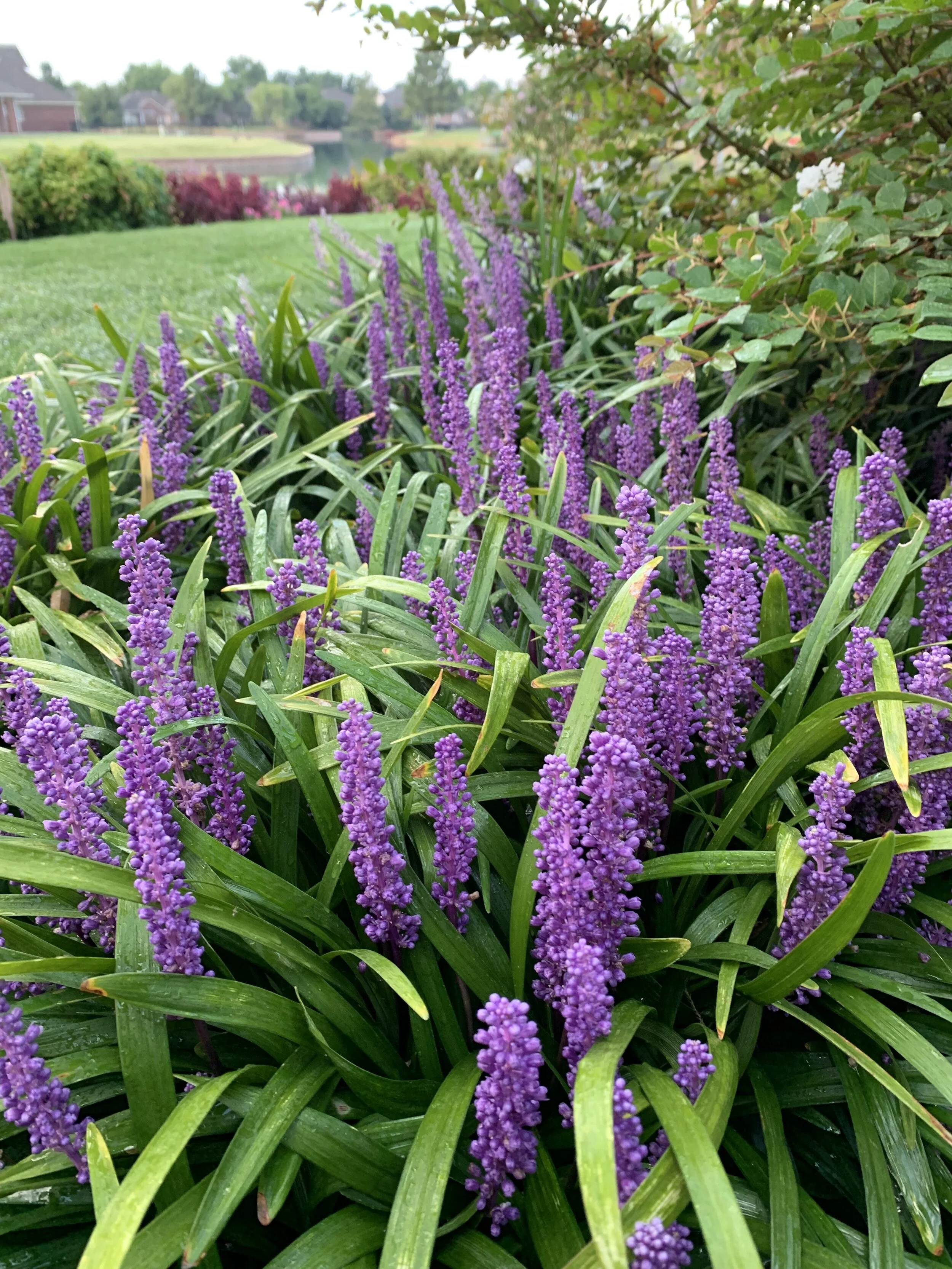
Big Blue Liriope with spikes of purple-blue flowers in the late summer is a good ground-cover for both shady and full sun landscapes.
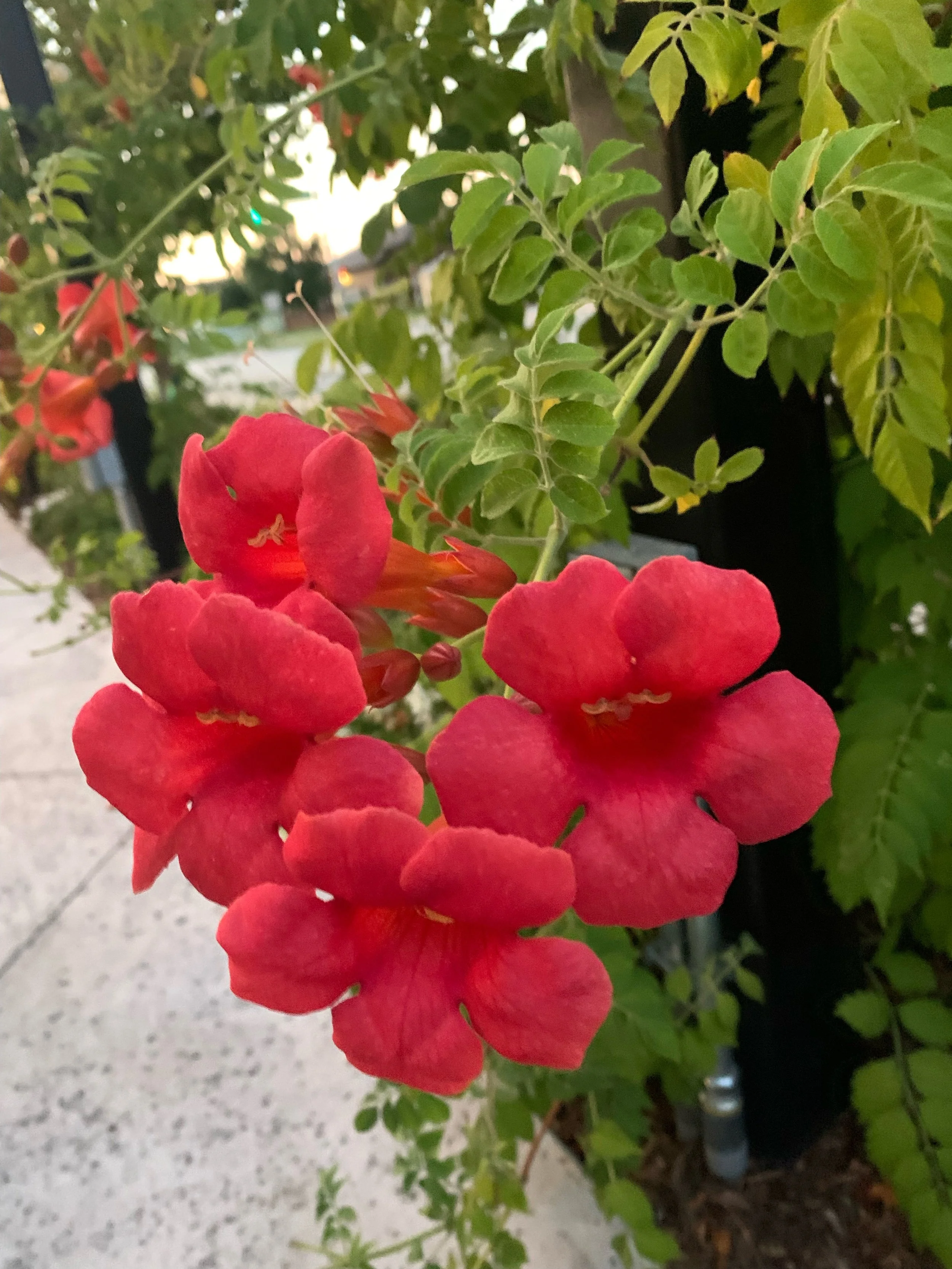
Madame Galen Trumpet Vine produces bright flowers through the summer. Great for covering fences and climbing on arbors.

Endless Summer Hydrangeas start blooming in May and rebloom through the summer.

In the fall, blooms left on Endless Summer Hydrangeas turn brilliant pinkish red.

Looking for cascade white blooms in your spring landscape? Add a Bridal Wreath Spirea this fall.
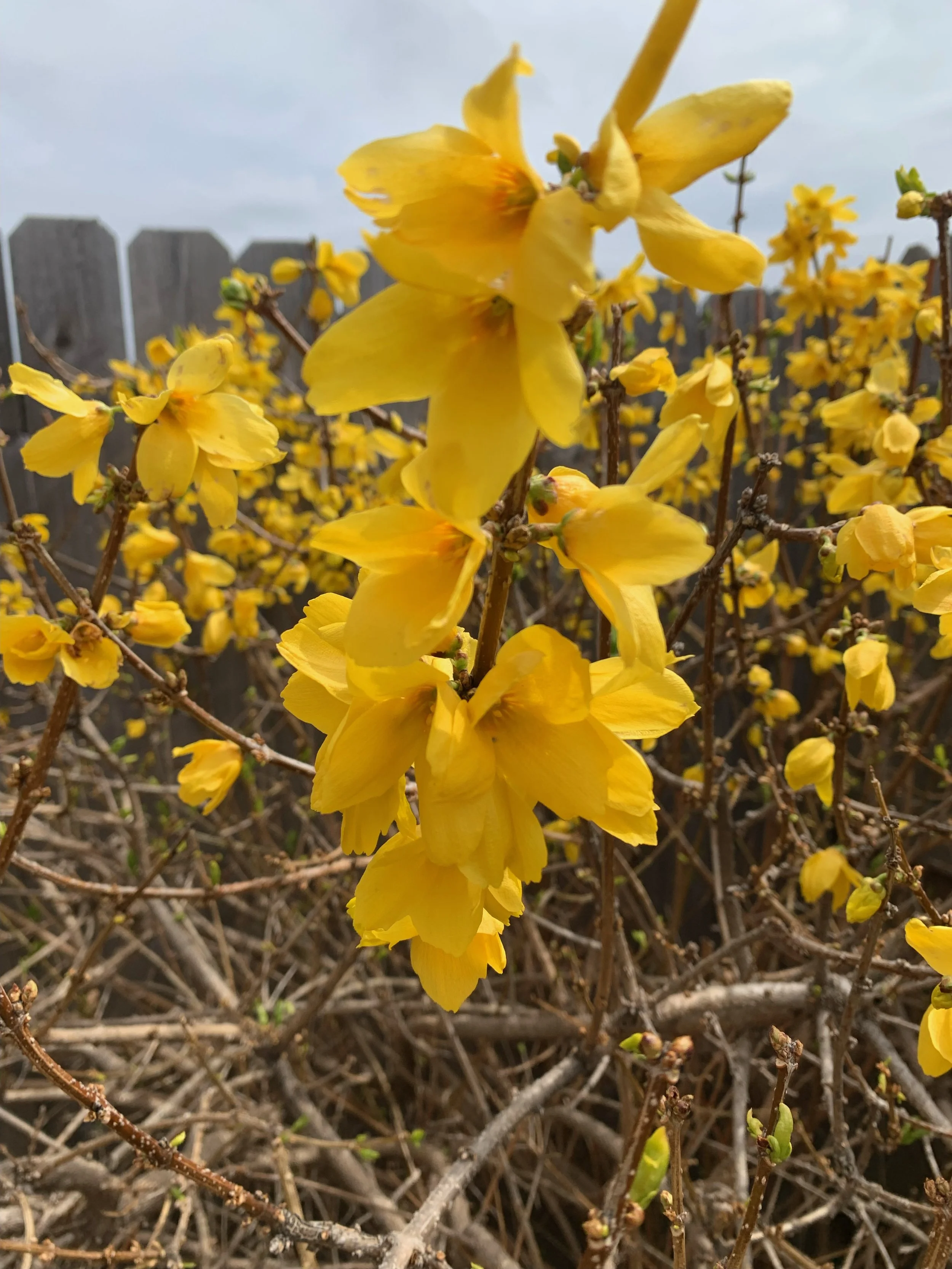

Plant a Double Play Candy Corn Spirea this fall and you will enjoy bright shades of yellow, orange and red next spring.
Yes, with good care and extra attention most shrubs and trees can be planted year-round, and because they can, it is common to plant at any time.
But, the best time to add new plants to your landscape in Oklahoma is September through December. For deciduous trees, the best time to plant is during winter dormancy, November through February.
Your landscape has a big impact on your property value and greatly impacts your curb appeal.
Plant something new this fall.
You won’t be disappointed.
Lorne Hall
Hall | Stewart Lawn + Landscape
(405)367-3873
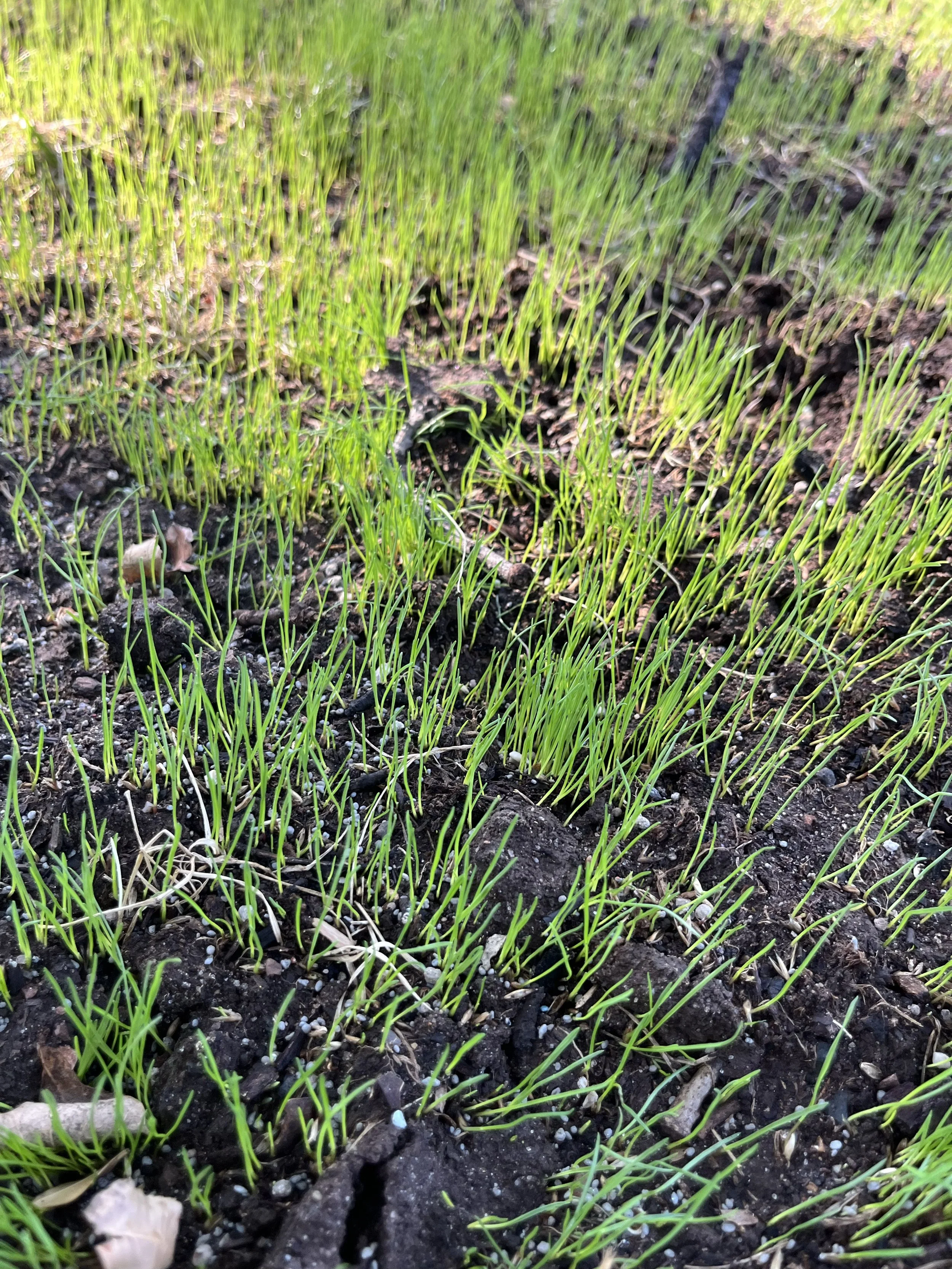
Time To Overseed Your Fescue!
September through October is the best time to establish fescue from seed. Following this summers prolonged heat and drought it is more important than ever to refresh your fescue. AND IT IS NOT TOO EARLY TO OVERSEED!
We started overseeding September 8th. The picture is from a lawn overseeded on September 11th. While soil temperatures are still warm fescue seed germinates and establishes quickly. As temperatures cool the new fescue will develop the deep roots needed to survive next summer.