
Snow & Your Landscape
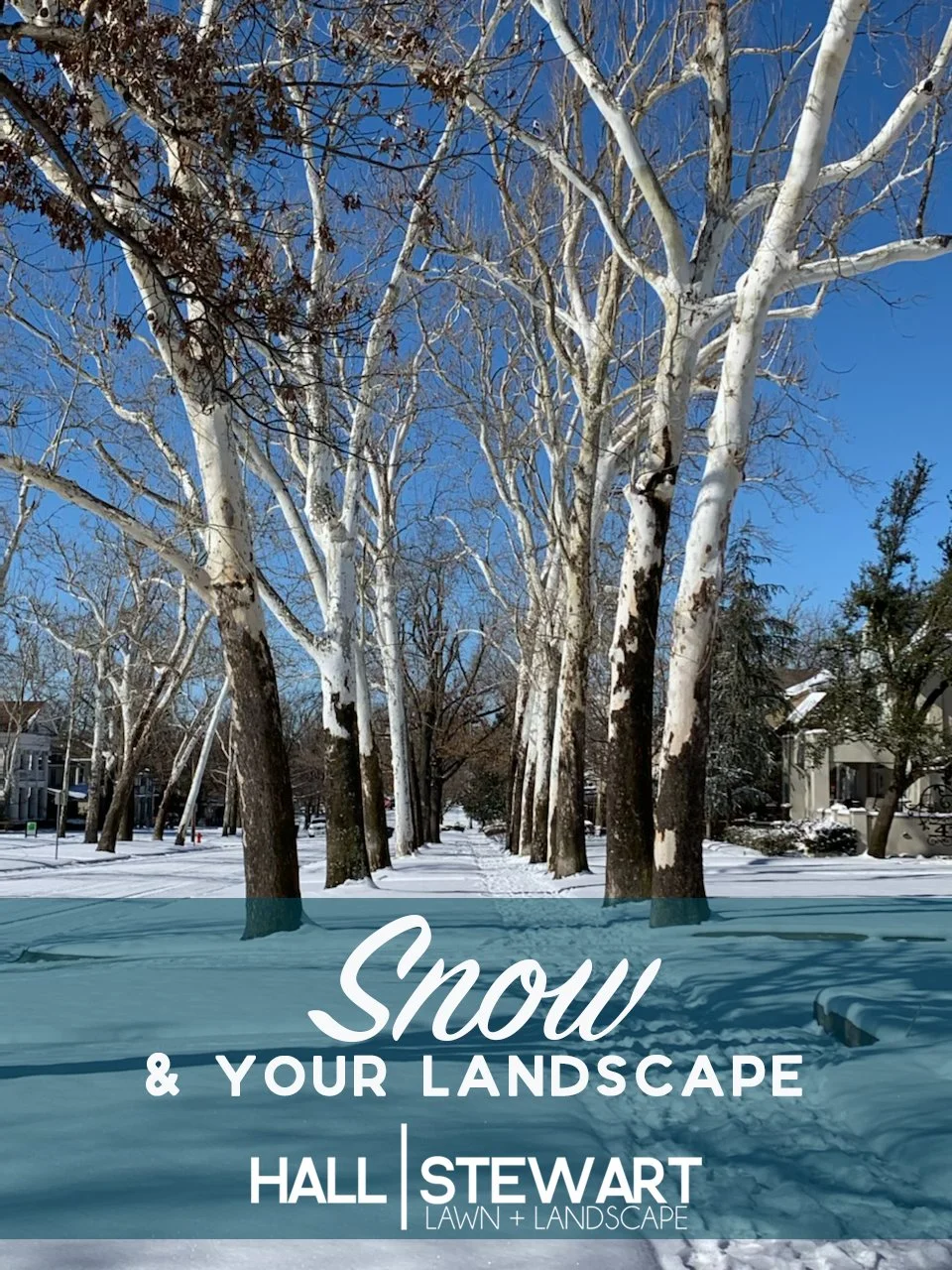
Are you a snow lover?
Or, are you one that hopes we make it through the winter snow free?
If your lawn and landscape have a vote, they are voting for snow!
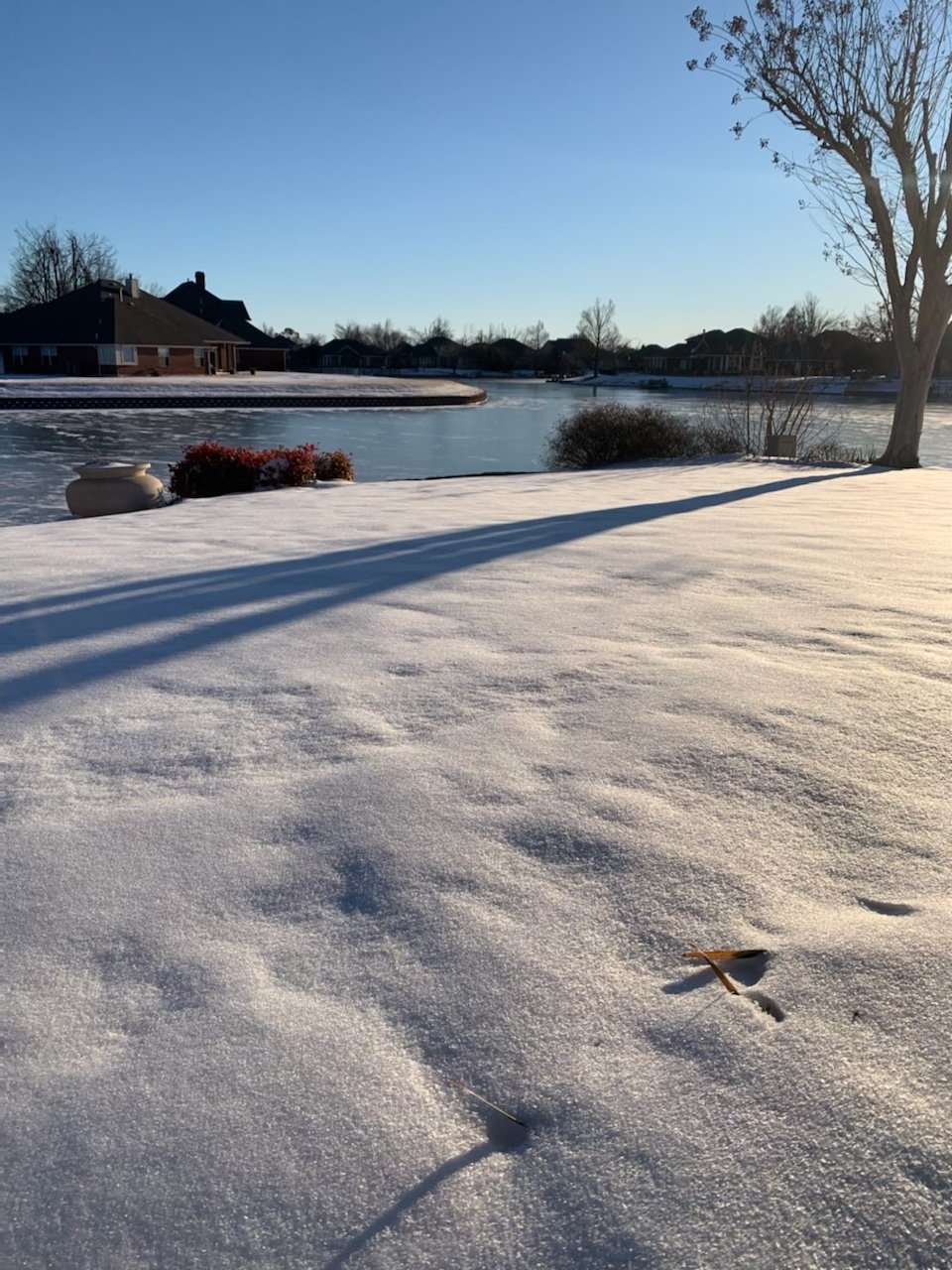
Fresh snow is like a warm blanket on a cold night to your landscape!
Snowfall is nature’s way of insulating your valuable lawn and landscape from cold temperatures. A fresh snow cover of more than 2” is very beneficial to the landscape by trapping soil warmth below the snow.
Without snow, soil temperatures fluctuate more, dipping deeper during cold spells. It is common to see soil temperatures at 2” below the soil surface 4 to 8 degrees warmer with a snow cover when temperatures are in the single digits without a snow cover.
With subzero temperatures in the forecast over the next few days, your lawn and landscape is very thankful to have a blanket of snow trapping the warm soil temperatures around its roots and keeping the cold windy temperatures at bay.
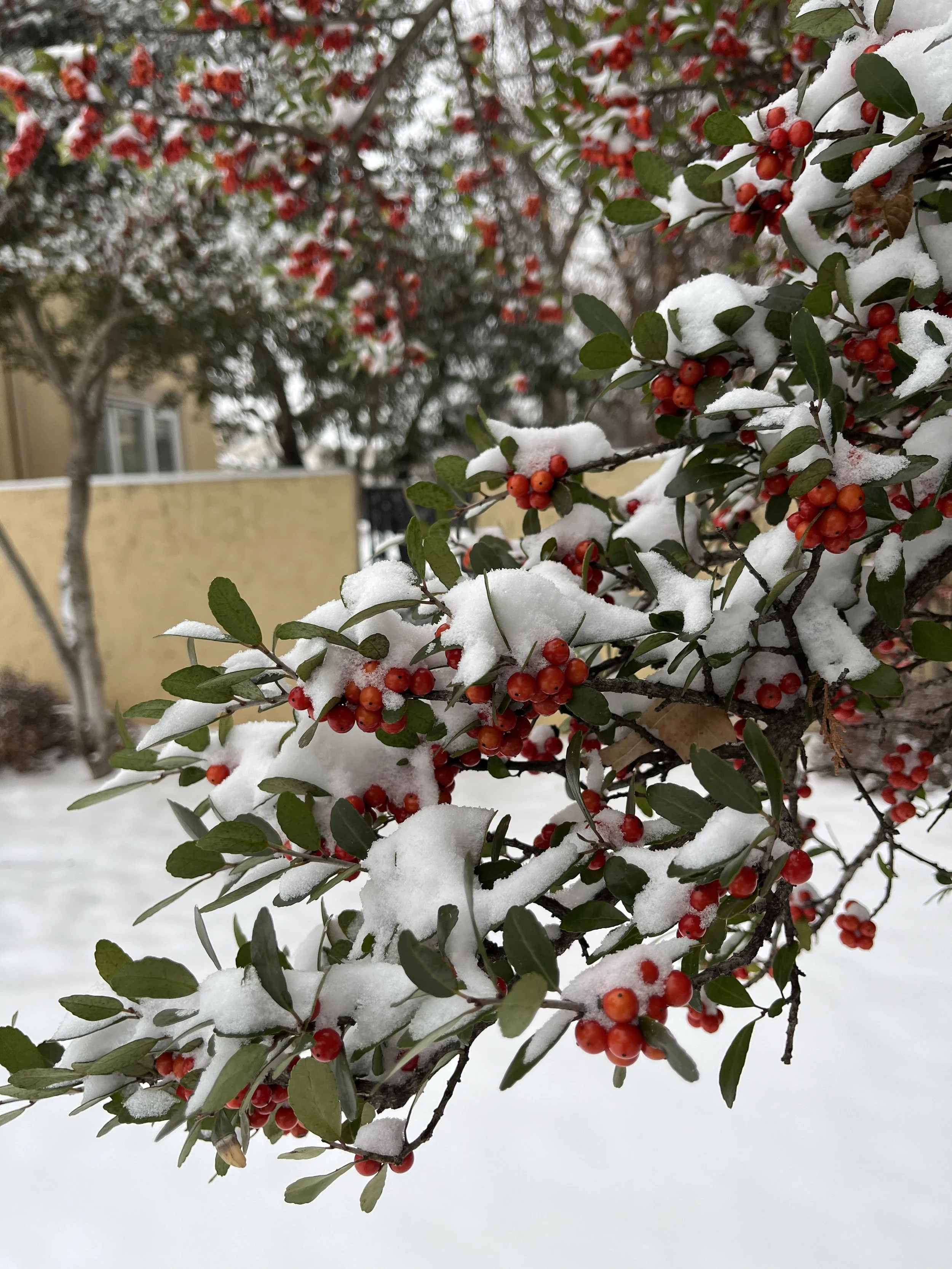
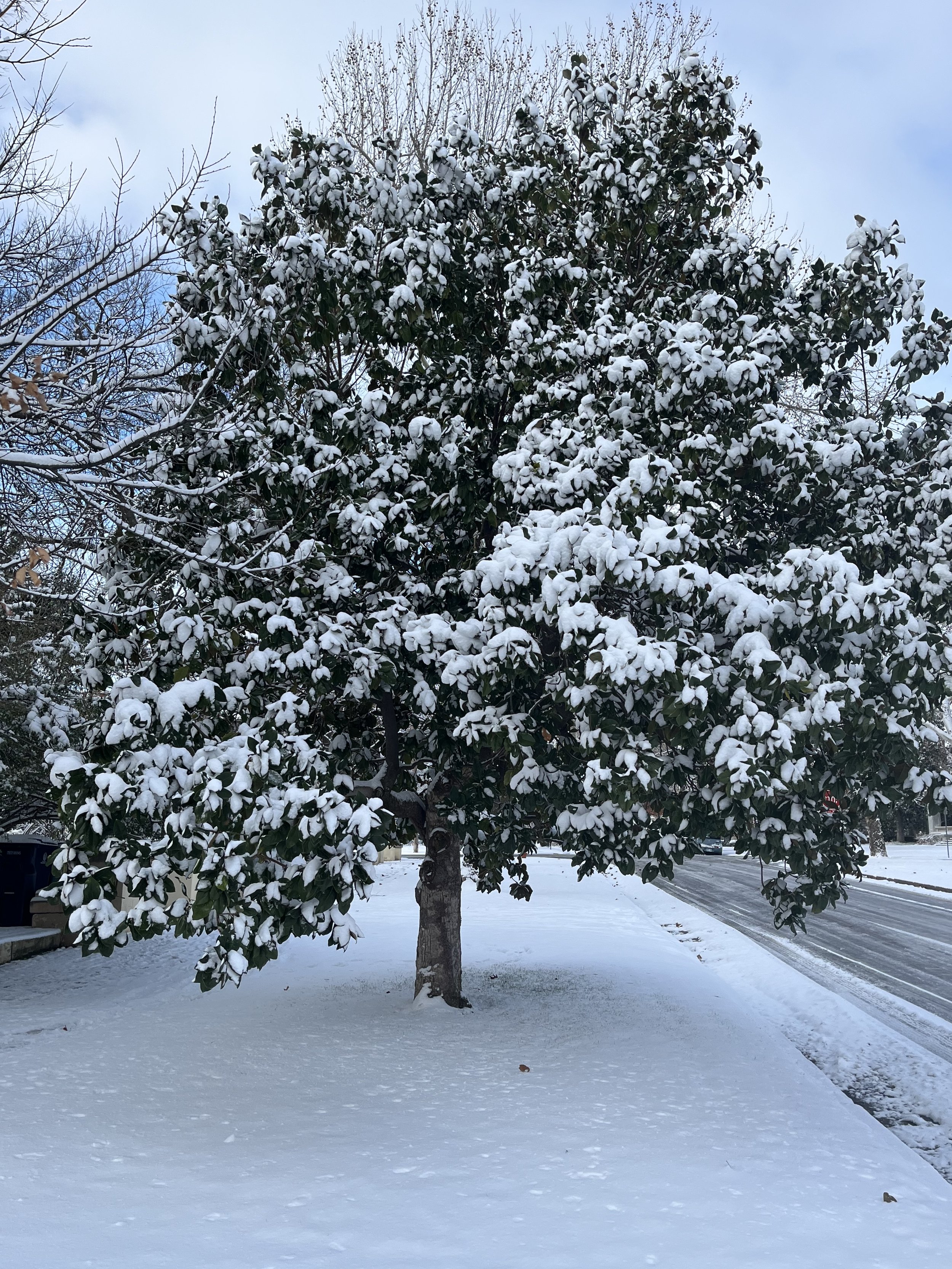

Snowfall is moisture!
If we get a ½” rainfall, there is a lot of runoff.
But, when snow melts, it slowly soaks in. Nearly every single drop benefits the roots of your turf, flowers, shrubs and trees.
On the average, a 10” snow equals a 1” rainfall. With a wet snow, your landscape may receive an inch of moisture for every 5” of snow. With a dry snowfall, it takes 15” of snow to equal a 1” rainfall.
Believe me, as dry as the climate has been this winter, your lawn and landscape will take every drop it can squeeze out of the white powder!

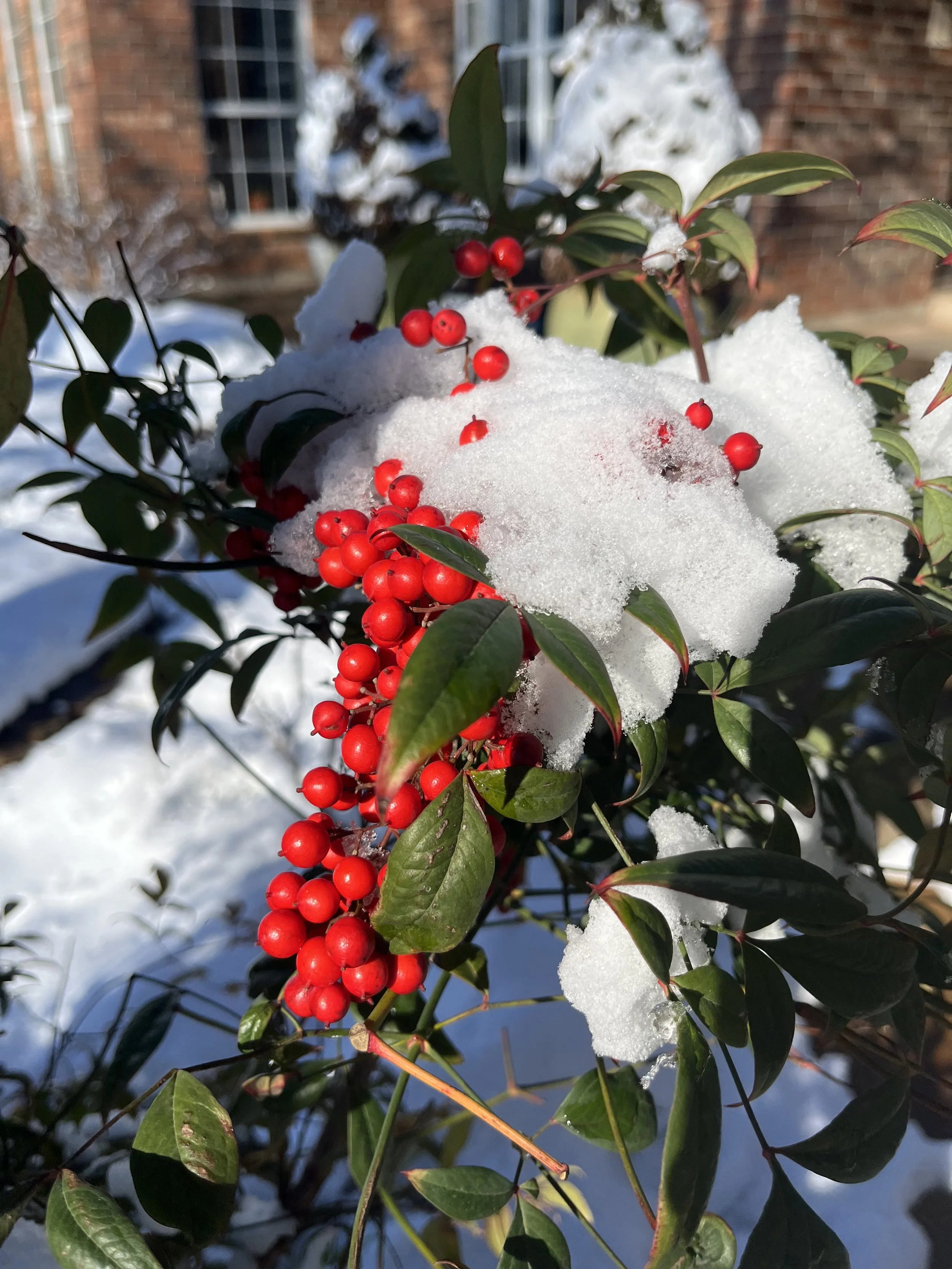
The Old Farmer’s Almanac calls snow a “poor man’s fertilizer.”
Snow is full of nitrogen. As snow falls it collects nitrogen that is naturally in the air and distributes it evenly over your lawn and landscape.
Even though spring green up is still a few weeks away, don’t be surprised if our lawn and landscapes look a little more alive as the snow melts away.
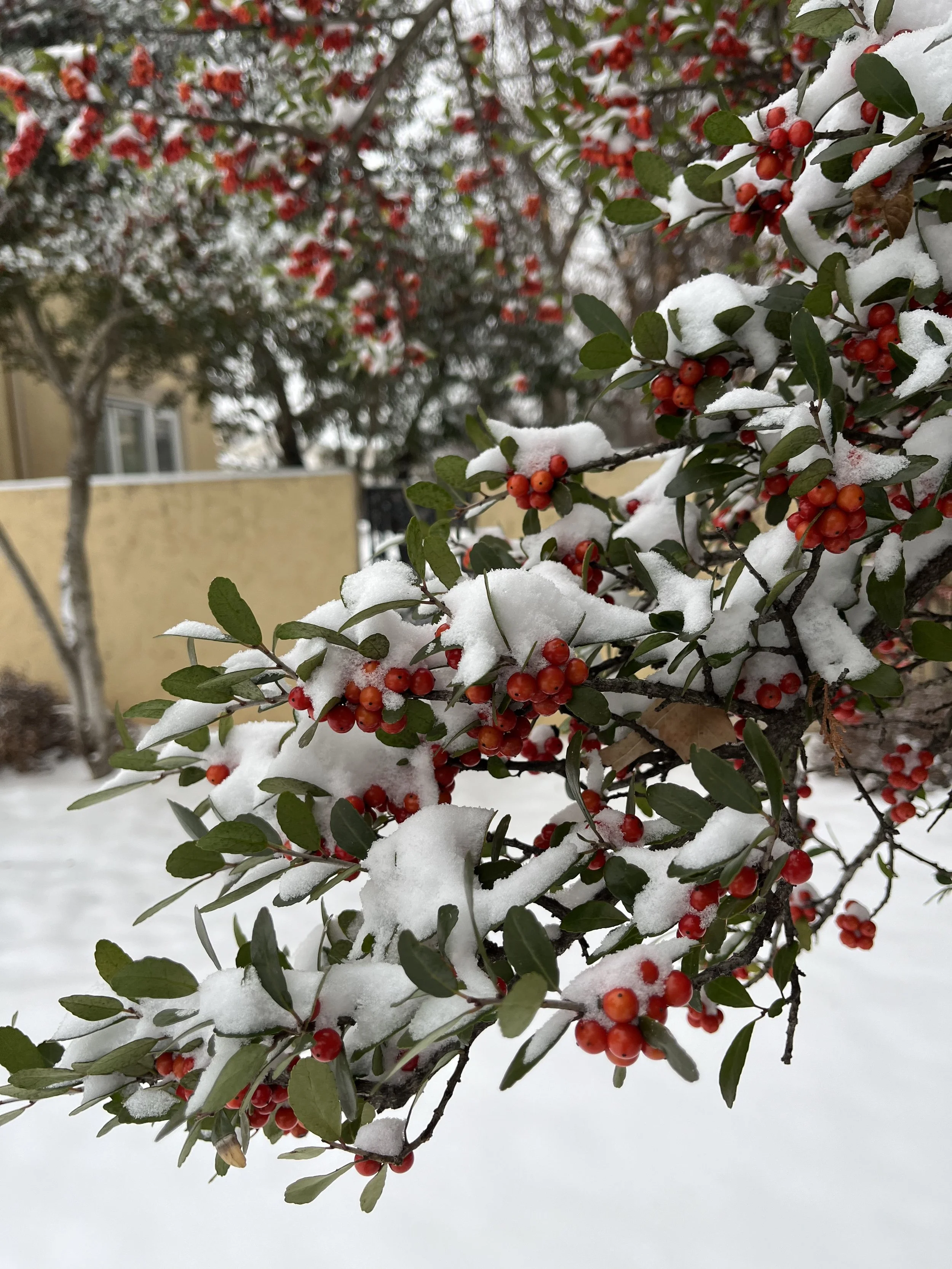
So, which are you?
Snow lover?
Snow hater?
I know where your lawn and landscape stand on the snow issue!
Lorne Hall
Hall | Stewart Lawn + Landscape
(405)367-3873