
April Lawn & Landscape Tips

Typically, as we transition from March to April, we are focused on Fescue lawns becoming more vibrant every day, Bermuda lawns shaking of their winter brown as they start to turn green, and the anticipation of more and more perennials, shrubs and trees adding color to the landscape every day.
But, this year is different. The warmest February in Oklahoma City history got spring off to a fast start, with only a couple of low temperature speed bumps since, spring has had its foot on the gas pedal all the way through March.
The speed of spring has everyone, including your lawn and landscape feeling as if March and April were squeezed into one month…possibly called Marpril.
Fescue regains a rich green color when soil temperatures are consistently in the 50s. Soil temperatures have been 50 plus every day since February 26th. In areas where soil moisture is good, since mid-March Fescue lawns have looked more like mid-April Fescue lawns.
Bermuda starts turning green and begins to grow when soil temperatures are in the 60s. Soil temperatures have been 60 plus since March 22nd. Bermuda green up is farther along this year than I ever remember.
One more weather item impacting our spring…the lack of rain. Normal Oklahoma City March rainfall is 2.5-3.0”. This March…the official rainfall currently sits at less than .25”.
Moisture is critical to the health of your lawn and landscape as it
transitions from winter to spring to summer.
Drought stress is the result of plants, and yes, turf grass is included, desiring more water than is available. When they can’t get enough water, the plant starts expiring and starts shutting down. Photosynthesis stops. Leaf tissue desiccates…which is why some fescue lawns still lack a rich green color when temperatures and sunlight suggest their color should be dynamic. Root loss occurs which reduces the ability for the plant to take up moisture when it returns.
April is a big month for your lawn and landscape with so many important tasks that need our attention. Add drought stress and paying attention to your lawn and landscape this April is more critical than ever. Tasks this April will have an impact on the health of your environment this summer.
Let’s start with the most critical…moisture:

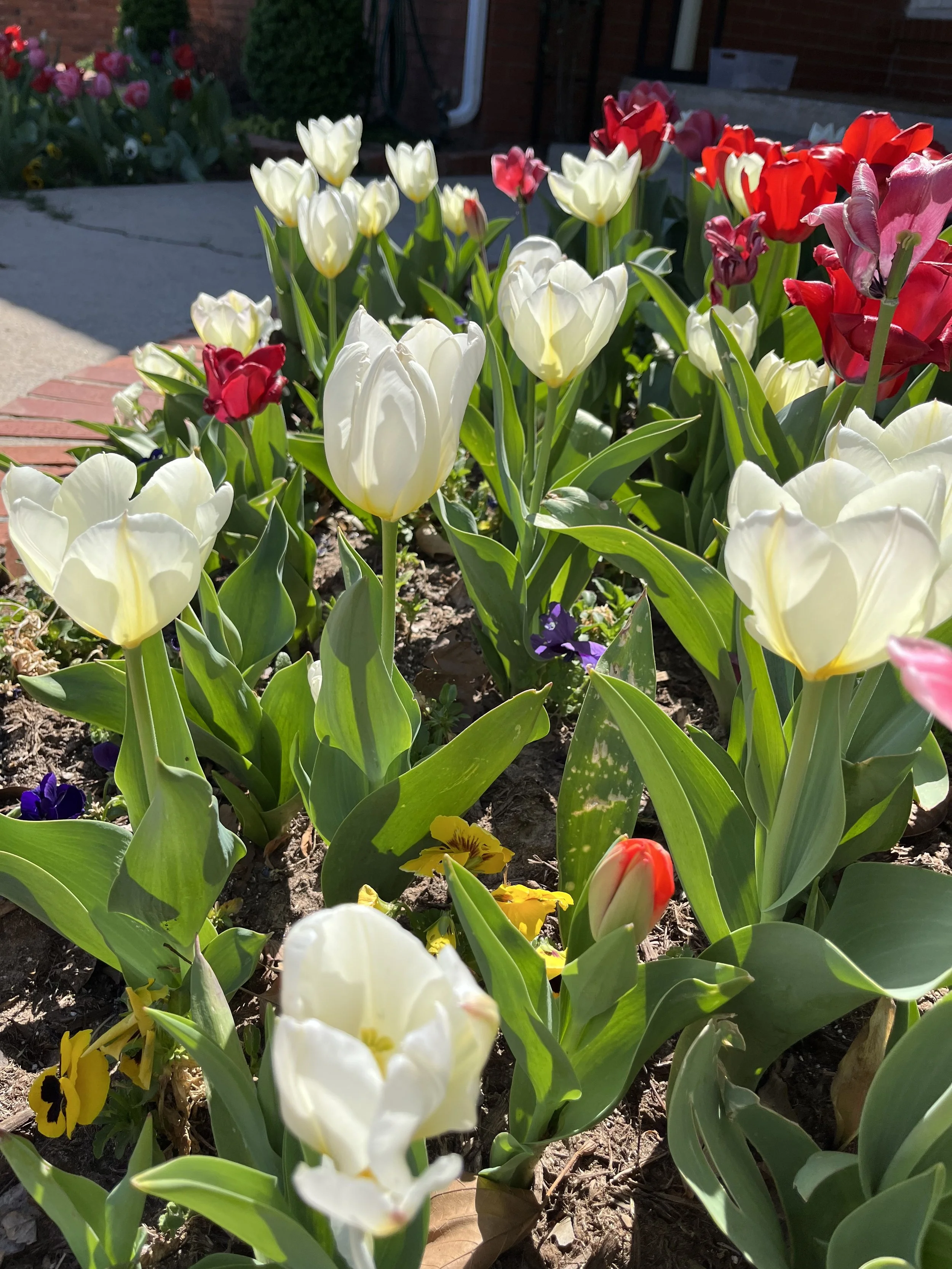
With the warm February-March followed by the hard freeze two weeks ago it hasn’t been the most spectacular tulip season, but any burst of color tulips provide are always a favorite part of spring.
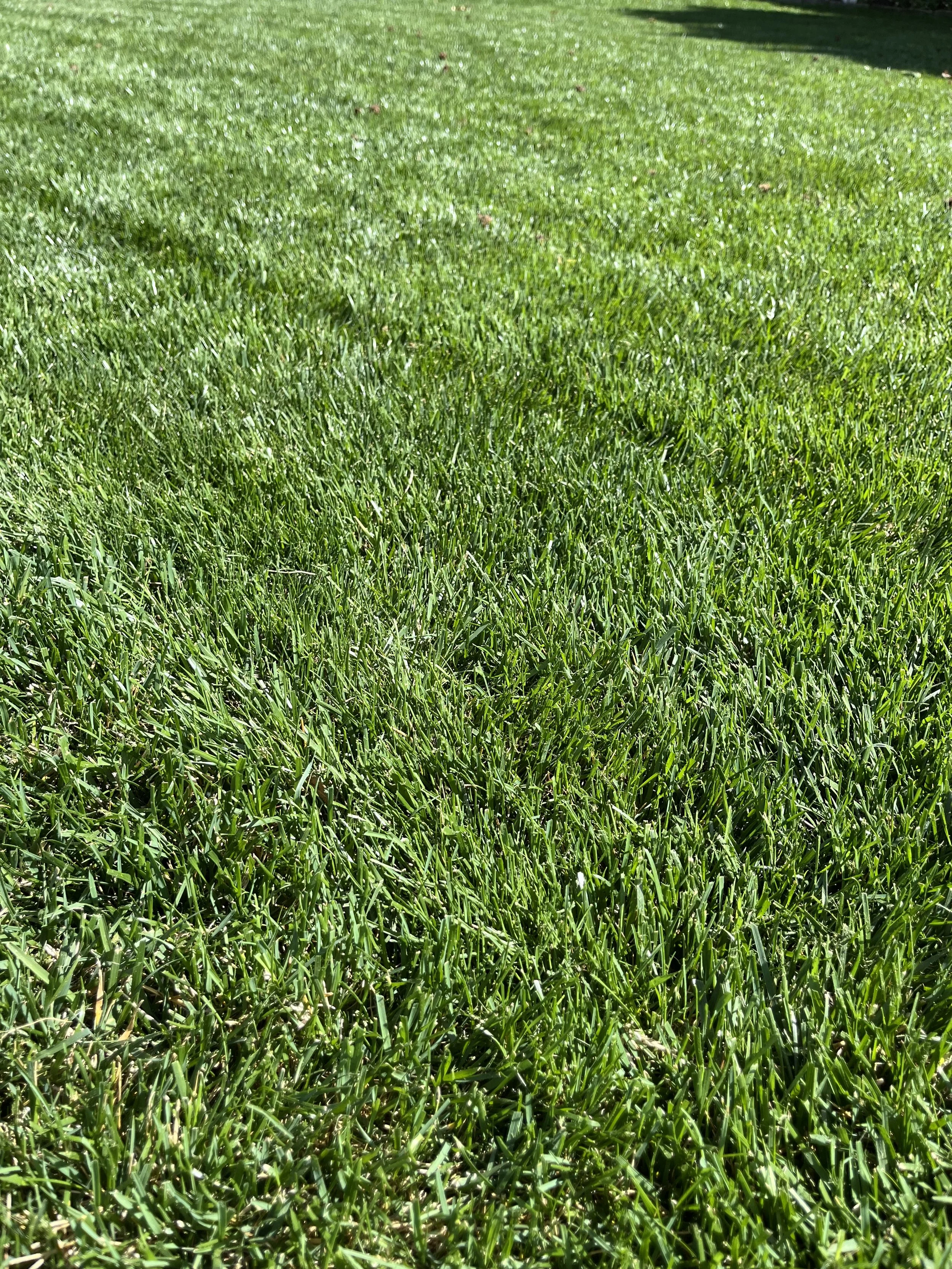
April is the month Fescue lawns make a big statement. If you have fescue it is time to start mowing every 5-7 days.

There are many varieties of Viburnum that grace the landscapes in April.

The first purple blooms will grace wisteria vines this month.

Henbit is a winter annual broadleaf weed know for purple flowers. If you want a clean lawn in April, don’t skip the two fall pre-emergent weed control applications.
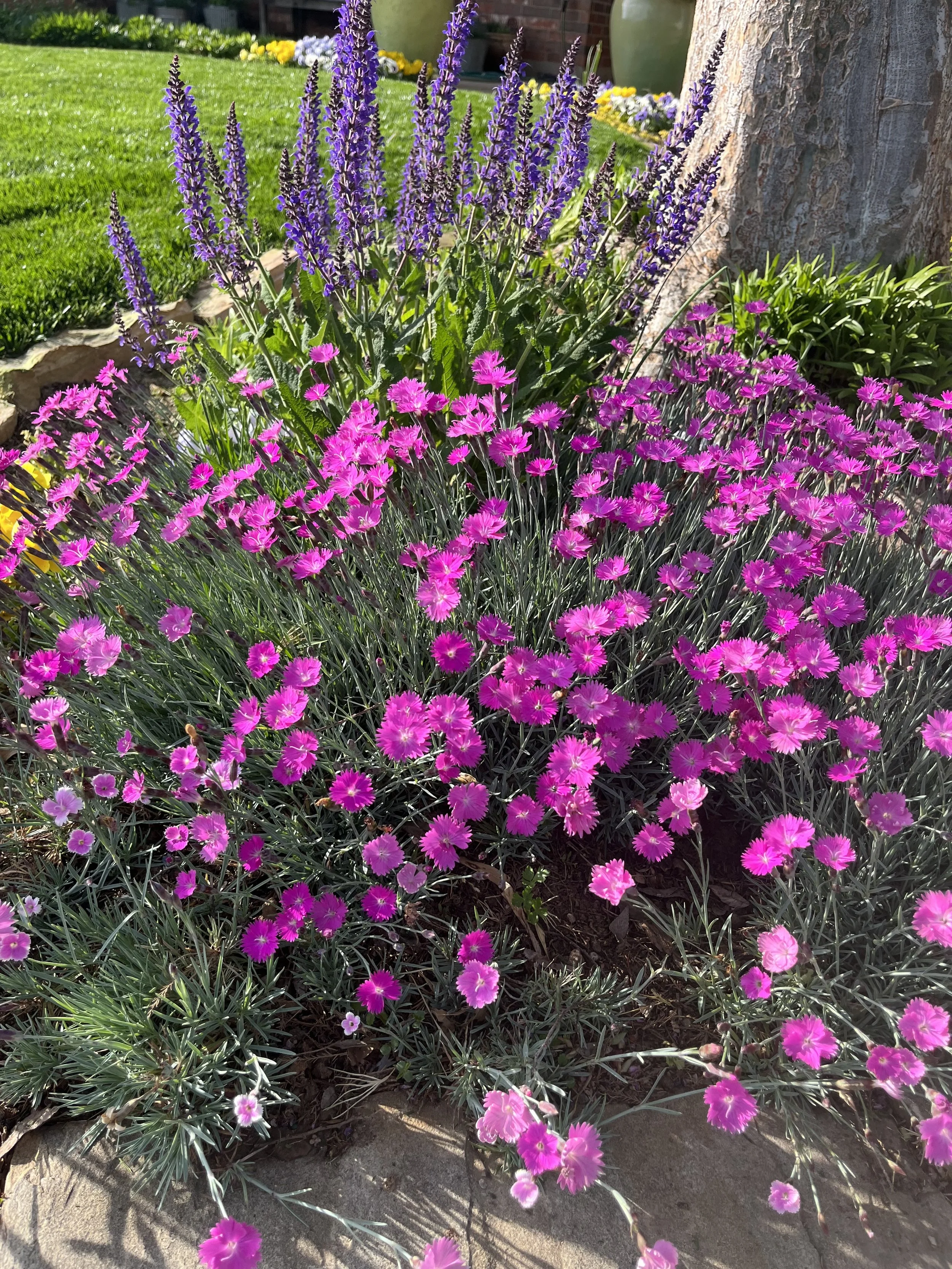
Salvia start adding blue to purple spikes this month. May Night Salvia is a great companion perennial to dianthus.
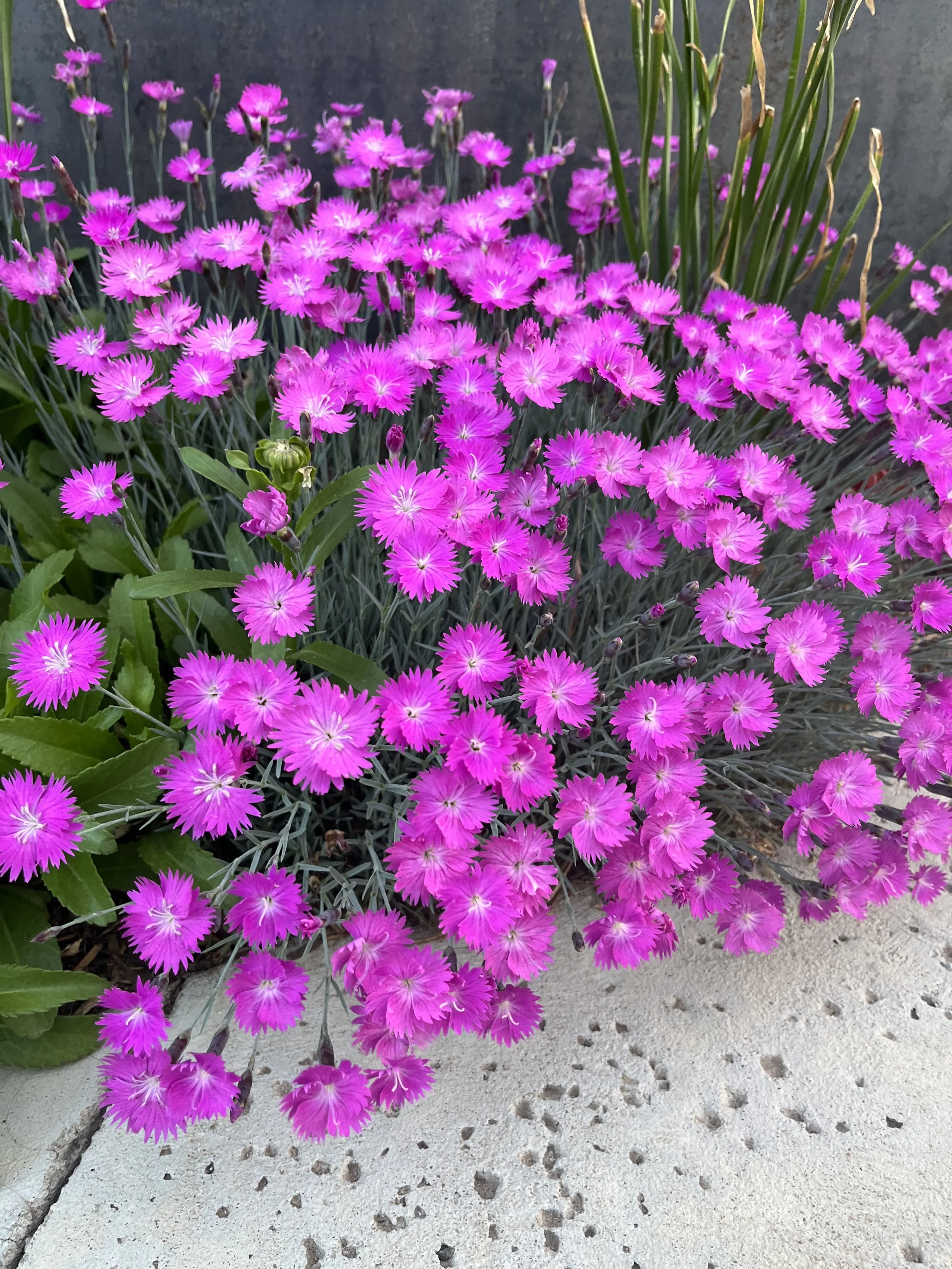
Dianthus is a perennial that starts putting on a show in April.
Irrigation
In April, the goal is to make sure your lawn and landscape receives ½” of water each week. Average April rainfall in the metro area is 3.0-3.5”. Most April’s your irrigation system will be off more than it is on, but please don’t assume. If you have not started watering your lawn and landscape yet this spring, start now. Monitor rainfall. Turn the system off or put it on a rain delay if we get a ½” rainfall or more. Poor water management is the practice of placing your irrigation on an every other day cycle at the beginning of the season and leaving it that way until you turn it off in the fall. The best lawns and landscapes are watered based on need, regardless of the time of year. Right now, they need moisture, badly.
If you don’t have a rain sensor, consider having one installed.
A sensor will pay for itself in water savings very quickly.
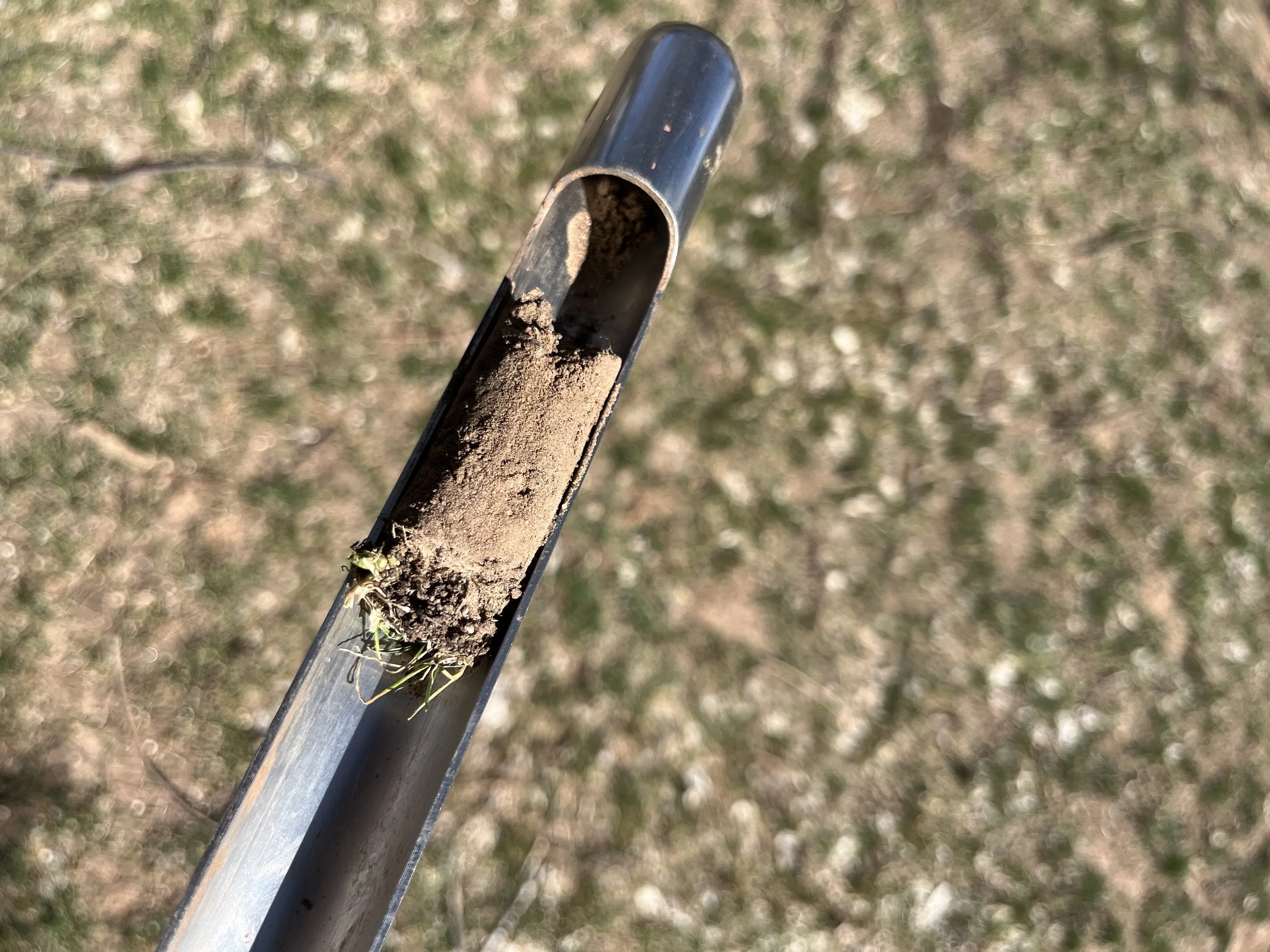
It has been common to find very dry soil cores this spring while inspecting lawns and landscapes. Please water now. Our lawns and landscape are experiencing drought stress.

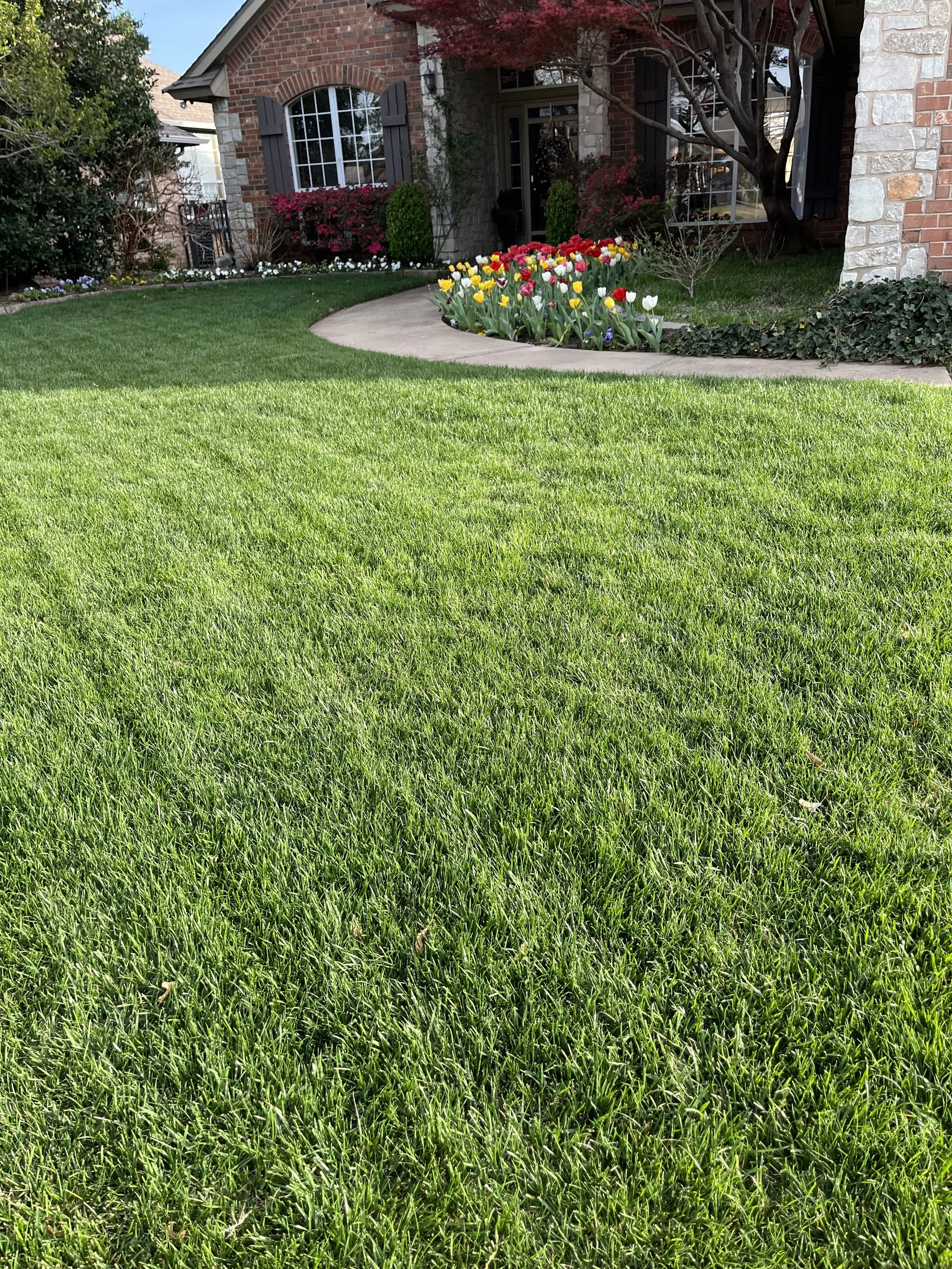
It is hard to beat the deep green color of fescue in April.
Turf Fertilizer
Both Fescue and Bermuda lawns will benefit from a fertilizer application this month. If you subscribe to the Hall | Stewart 7-Step Lawn Care Program your lawn will receive fertilizer. If you subscribe to our 4-Step Weed Control Only Program, apply fertilizer to your lawn this month. Look for fertilizer with 25-30% nitrogen and a small amount of phosphorus and potassium.

Poa Annua, annual bluegrass, is a winter annual that weed that is easier to prevent with fall pre-emergent herbicides than it is in the spring.

In the right location, a place with dappled or morning sun with acidic, well drained soil, Dogwoods add a splash of brightness to the landscape this month.

One of the first perennials to bloom each spring is creeping phlox.
Turf Weed Control
The second spring pre-emergent application started in March and continues through April. A second spring pre-emergent is important because pre-emergent herbicides gradually break down overtime. A second pre-emergent extends weed prevention through the summer months. April is a good time to get control of broadleaf weeds in Fescue, but while Bermuda is coming out of dormancy, you must be careful with herbicide applications not to cause damage. Good turf development now is the key to a healthy lawn all summer. You don’t want to cause any harm while warm season turf is coming out of dormancy.
Our promise to you is to take all the steps we can to remedy weed issues in a way that is safe for your lawn and the environment.
Our request is that you always let us know how your lawn is doing 10-14 days after an application.
If the lawn needs to be retreated, results will be better if it occurs within 2-3 weeks of the initial application.
Lawn Maintenance
If you have a Fescue lawn, April is the month that you will need to start mowing regularly. Remember the rule of 1/3 – never cut more than 1/3 of the turf off in a single mowing. Anytime you cut more than 1/3 of the leaf blade off you are keeping your lawn from looking its absolute best. Start mowing the Fescue taller in April. It needs to have as much leaf space as possible going into the summer months.
If you have a warm season lawn (Bermuda or Zoysia) and have not already cut the lawn short for the spring, do so as soon as possible. Once the lawn starts growing it will need to be mowed every 10-14 days during a typical April. Try to keep your Bermuda lawns cut short early in the season by mowing often enough that you never remove more than 1/3 of the leaf when mowing.
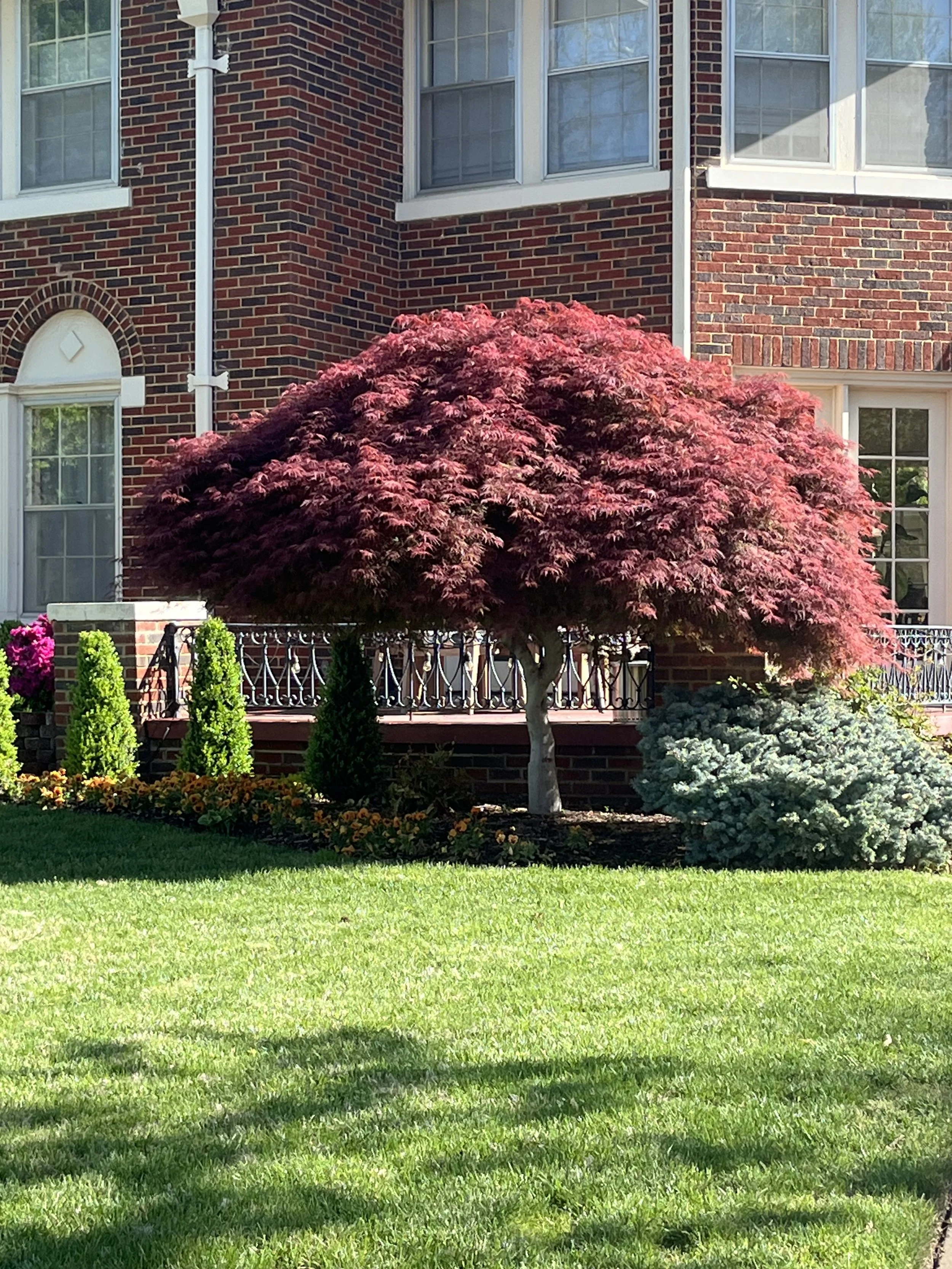
Oh, the colors of new leaves on Japanese Maples!


Deciduous (plants that drop their leaves in the winter) shrubs, such as abelia are coming to life.

Flowering Quince is an old fashion shrub that provides a show of red March to April.
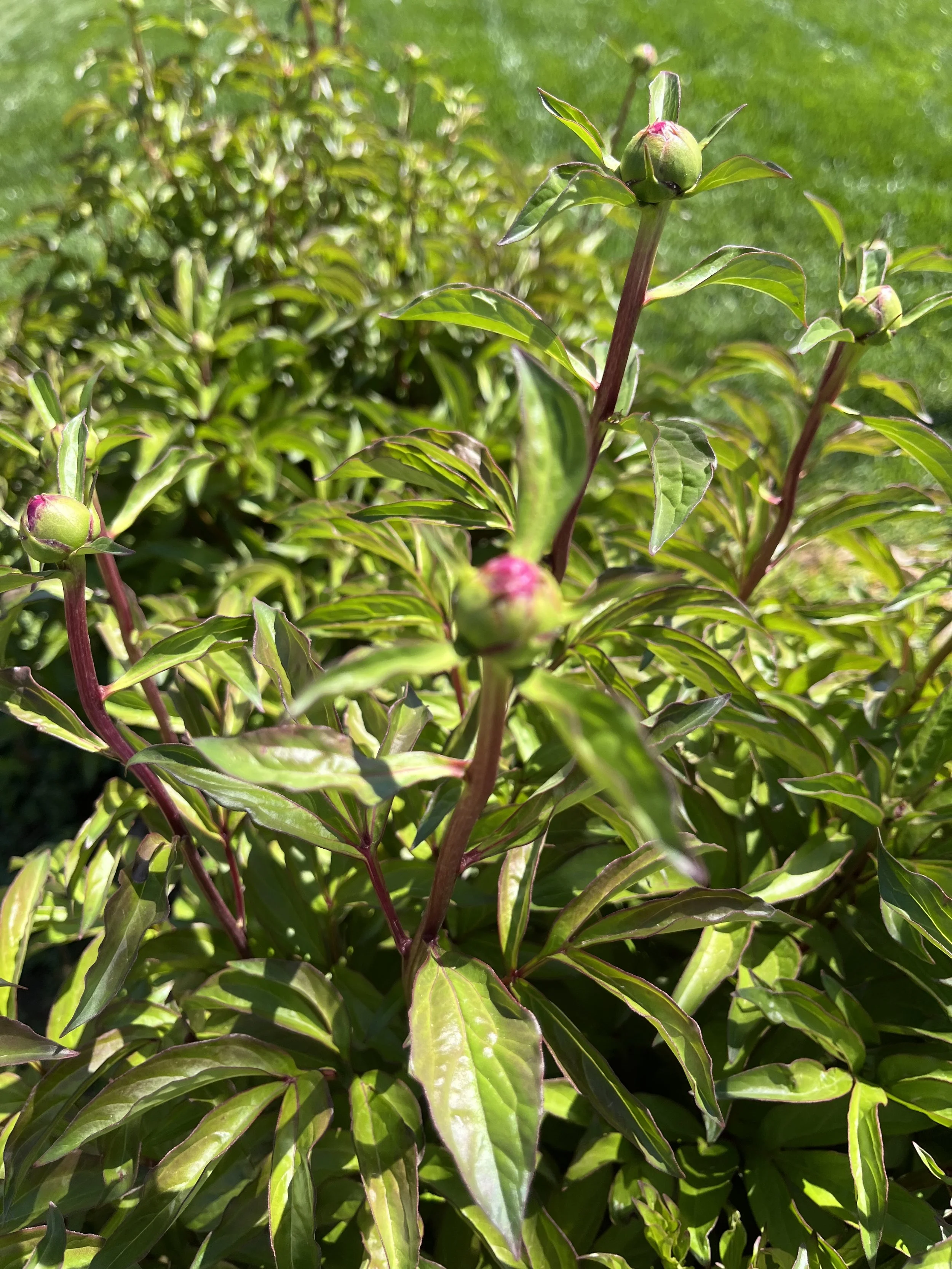
Love peonies? Look for their blooms to burst open before the end of April.

Looking for a shrub that will add a fun splash of orangish red to your landscape in the spring? The leaves of Double Play Candy Corn Spirea emerge with a bright candy apple red and then mature to a bold yellow.
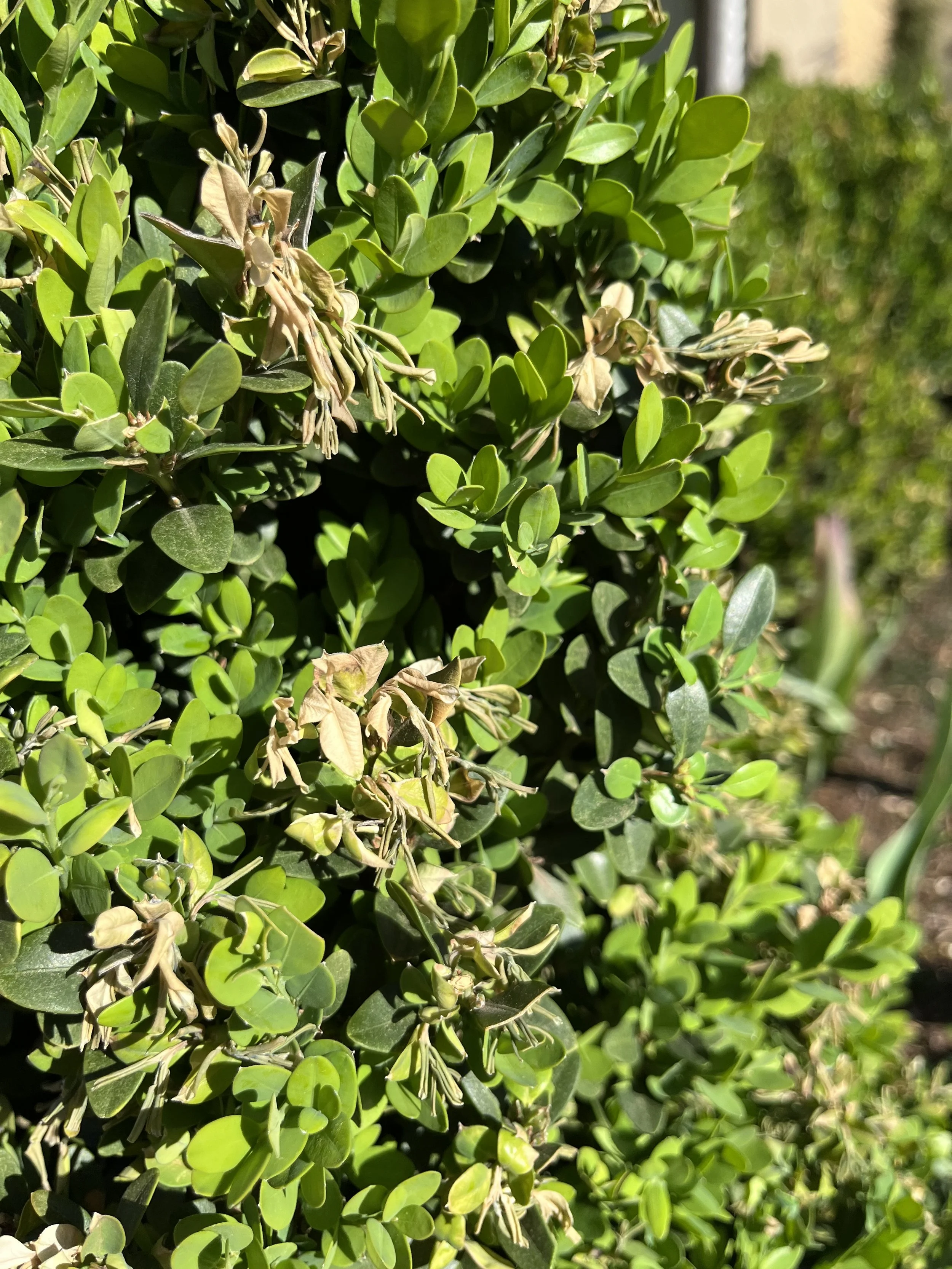
The tender new growth on boxwoods was nipped back by the freeze two weeks ago. Boxwoods are resilient and are already flushing out new growth.
Tree & Shrub Care
April is the best time to fertilize trees and shrubs with a high quality micro-nutrient fertilizer to provide consistent, extended feeding for your plants. Our product improves soil structure, reduces plant stress, increases soil water retention, and promotes root growth and plant vigor without excessive shoot growth. Spring is also a good time to apply systemic insecticide to control sucking and chewing insects. As temperatures warm start inspecting plant material for insect activity. Early detection is an important part of insect control.
Hall | Stewart Lawn + Landscape follows an integrated pest management approach, which starts with inspecting trees and shrubs and treating as needed.
Important: Trees and shrubs that have been exposed to drought stress are more susceptible to insect and disease problems. Due to the dry winter and spring, your landscape investment will need frequent inspection this year.
Need help protecting your landscape investment?
Give us a call, (405)367-3873 or reply to this email.
Our Tree & Shrub Care Specialist would love to make a visit to evaluate the health of your landscape plants.

Shrub Pruning
April is the last chance to do early season pruning on crape myrtles. Remove any crossing or rubbing branches, cut off last year’s left-over seed heads, and any branches that are smaller than a pencil. Overgrown hollies can still be reduced in size if you do it soon. The goal is to do any major pruning before the first heavy growth flush of the year. On ornamental grasses cut them down to about 1’ before new growth begins to shoot up from the grass clump. If new growth has started only remove the brown, winter damaged top of the plant leaving the new growth untouched.
Hydrangeas started to bud earlier than normal this spring. Endless Summer Hydrangeas took the freeze two weeks ago really hard. Give them a couple more weeks to put on new buds before you trim what appear to be dead branches. Mid to late month, prune dead branch tips back to just above the highest bud.
For more information on Hydrangea varieties and care, visit our post from last week.

Oakleaf Hydrangeas are leafing out.
Seasonal Color
We all have the tendency to get a little antsy and want to plant annuals a little too early. Who can blame you? With all the colorful plants already in the garden centers, it is hard to resist. Start with annuals that tolerate a few cool nights, such as begonia and impatient, and wait until May to plant heat loving annuals, such as periwinkle, lantana, penta.
Note: Go ahead and open up your calendar now and set yourself a reminder for next fall. Yes, next fall. We don’t want you miss out on planting spring flowering bulbs such as tulips, daffodils, hyacinths etc. You won’t regret it!
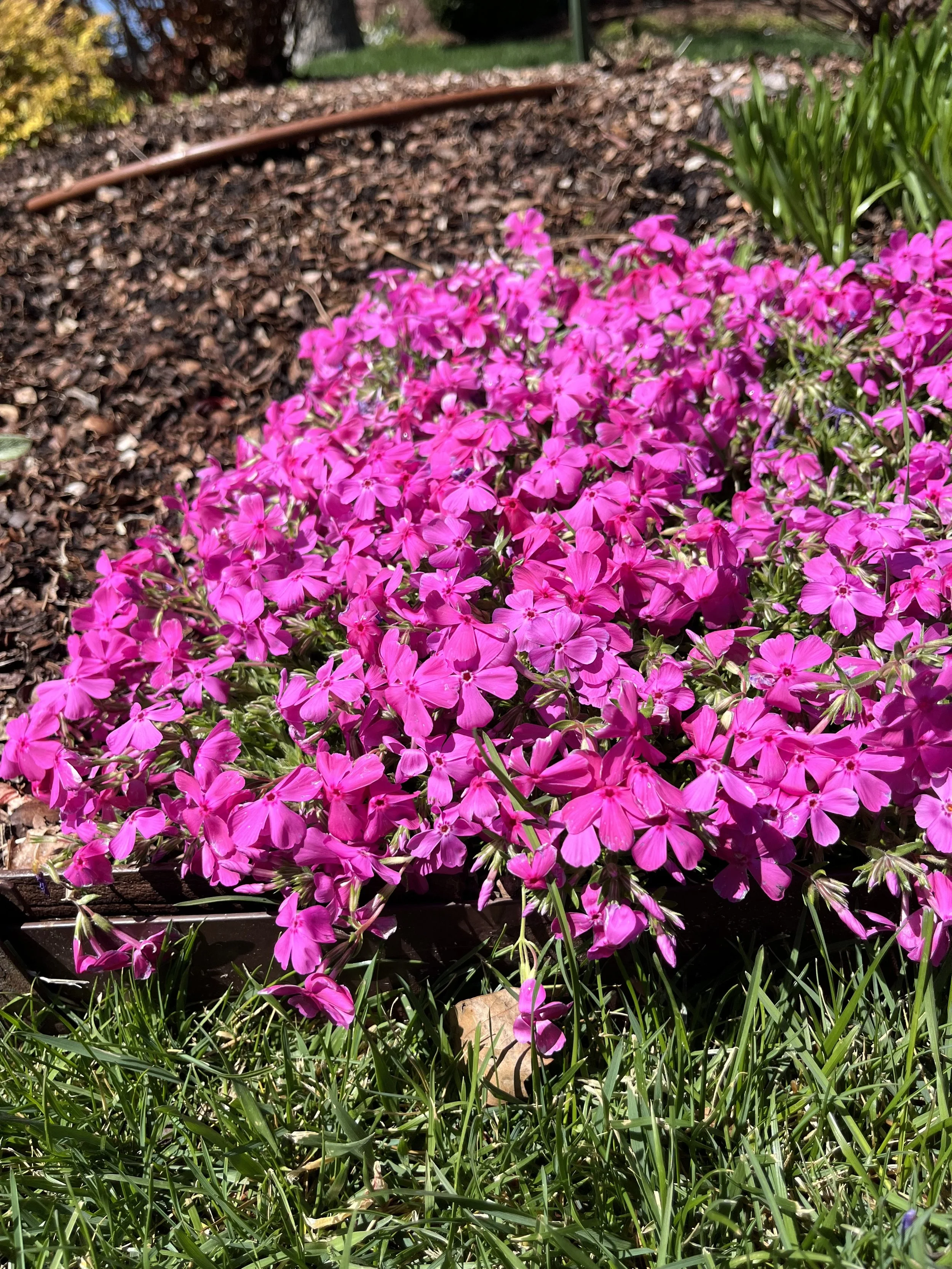
Creeping Phlox adds interest to landscape edges and stone borders.
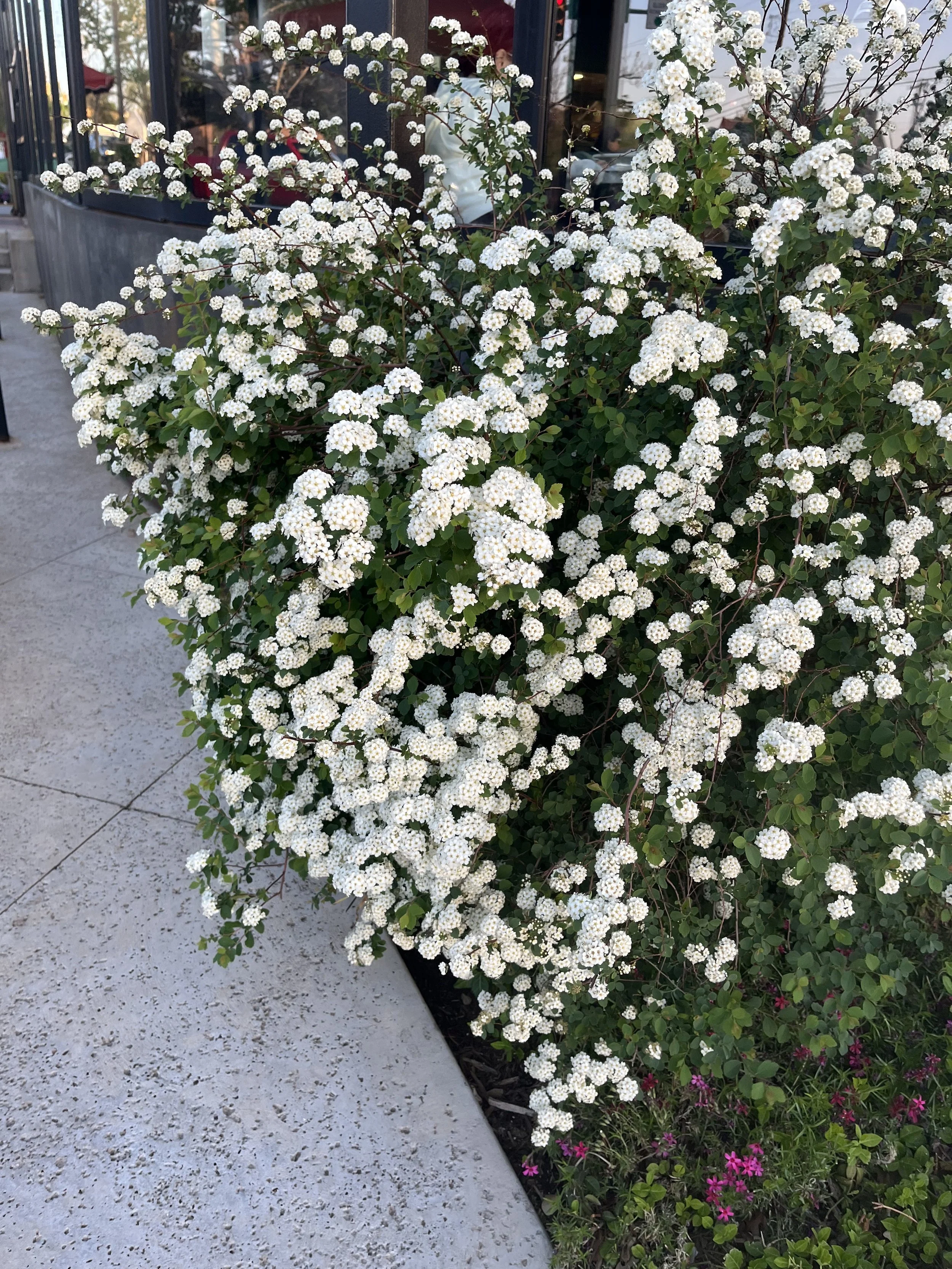
Bridal Wreath Spirea brighten the landscapes this month.
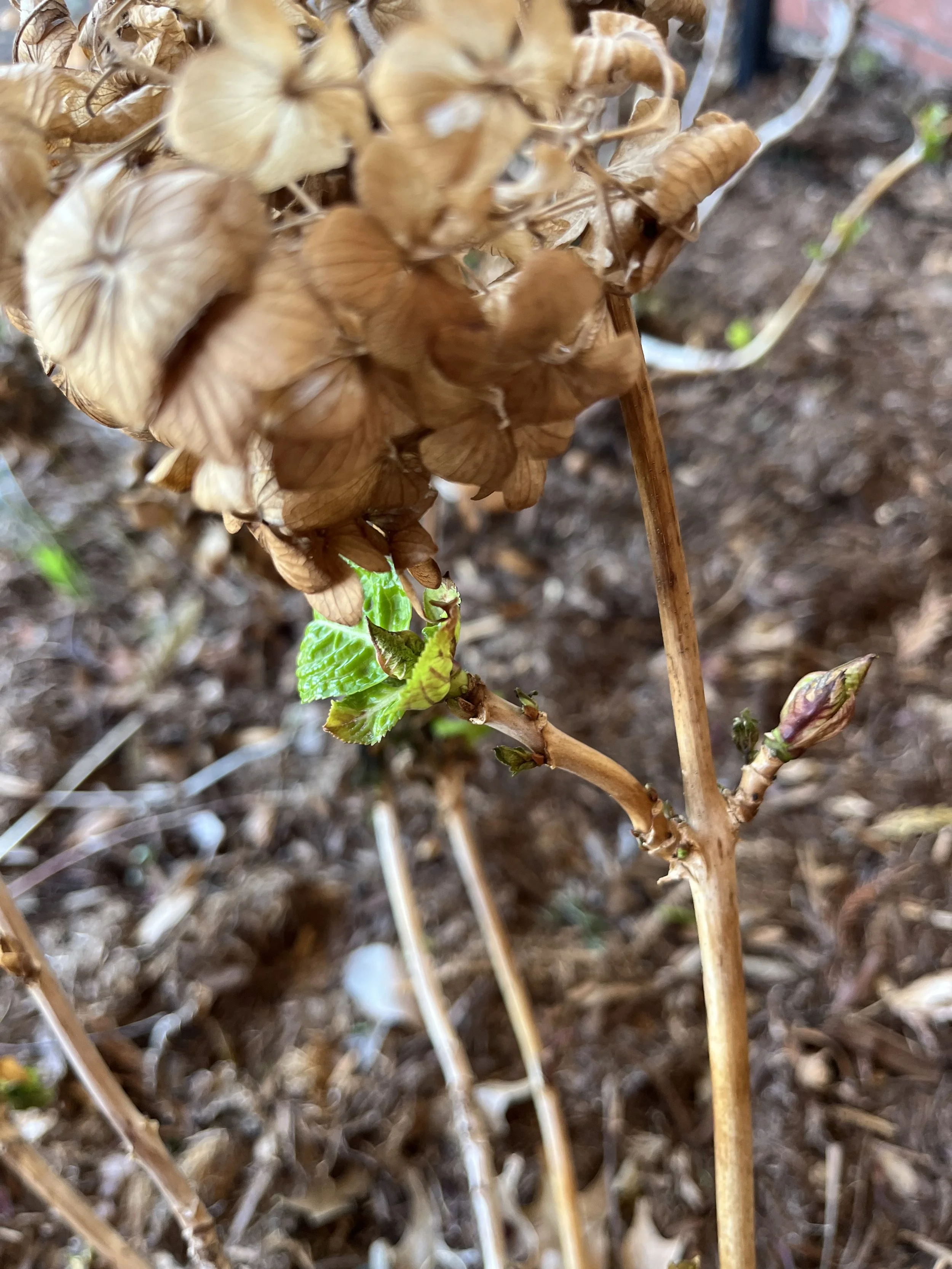
Many Endless Summer Hydrangeas had early fresh buds when we had a 23 degree night two weeks ago damaging the new growth. Good news…they have started to bud again. Give them another two weeks and then prune off dead branches back to the highest bud.
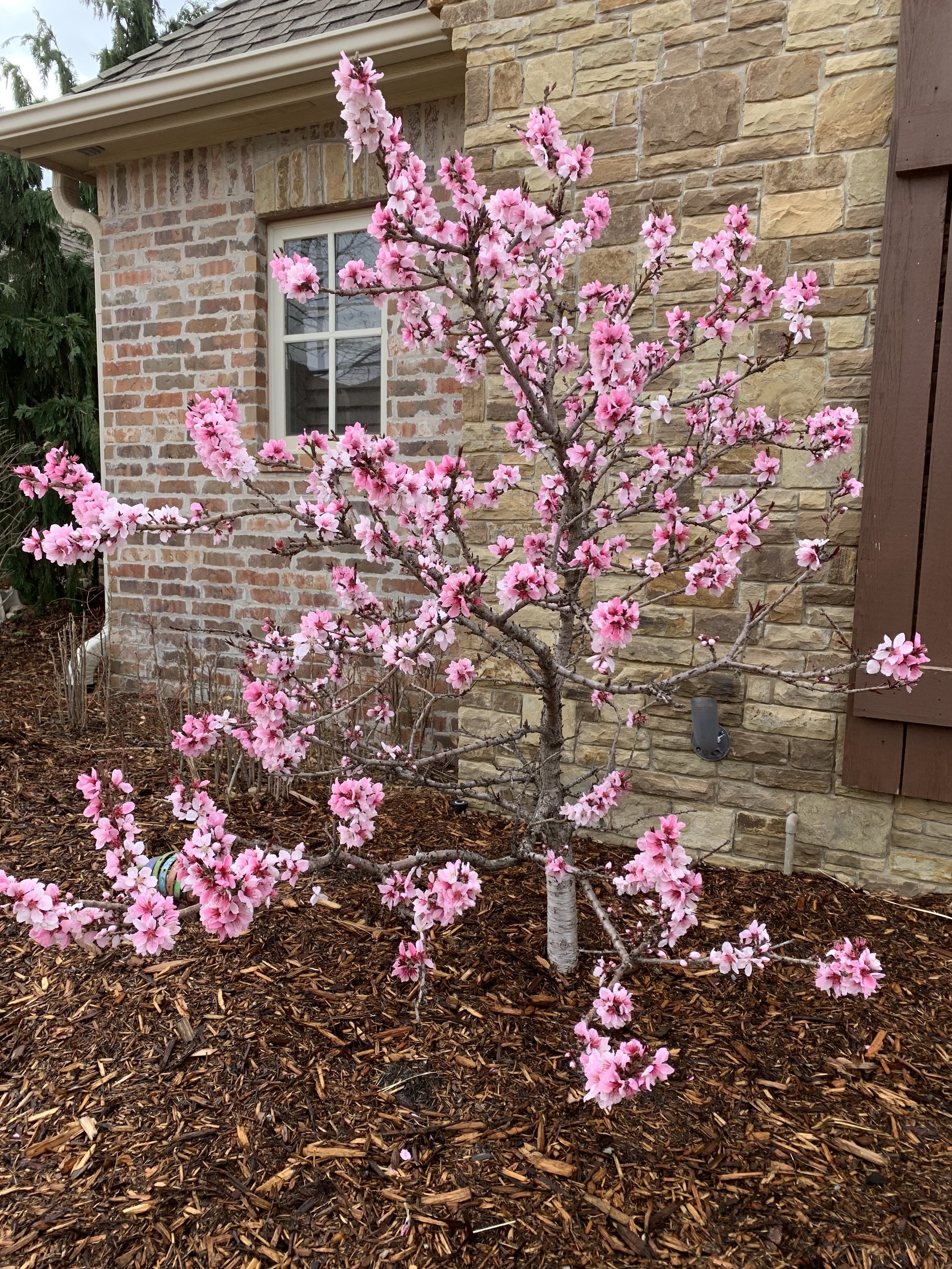
Ornamental Peach trees are benefiting from the slow warm up this spring.

Flowering Crabapple trees are demanding attention in the landscape.

Maynight Salvia is one of the perennials that will add color this month.
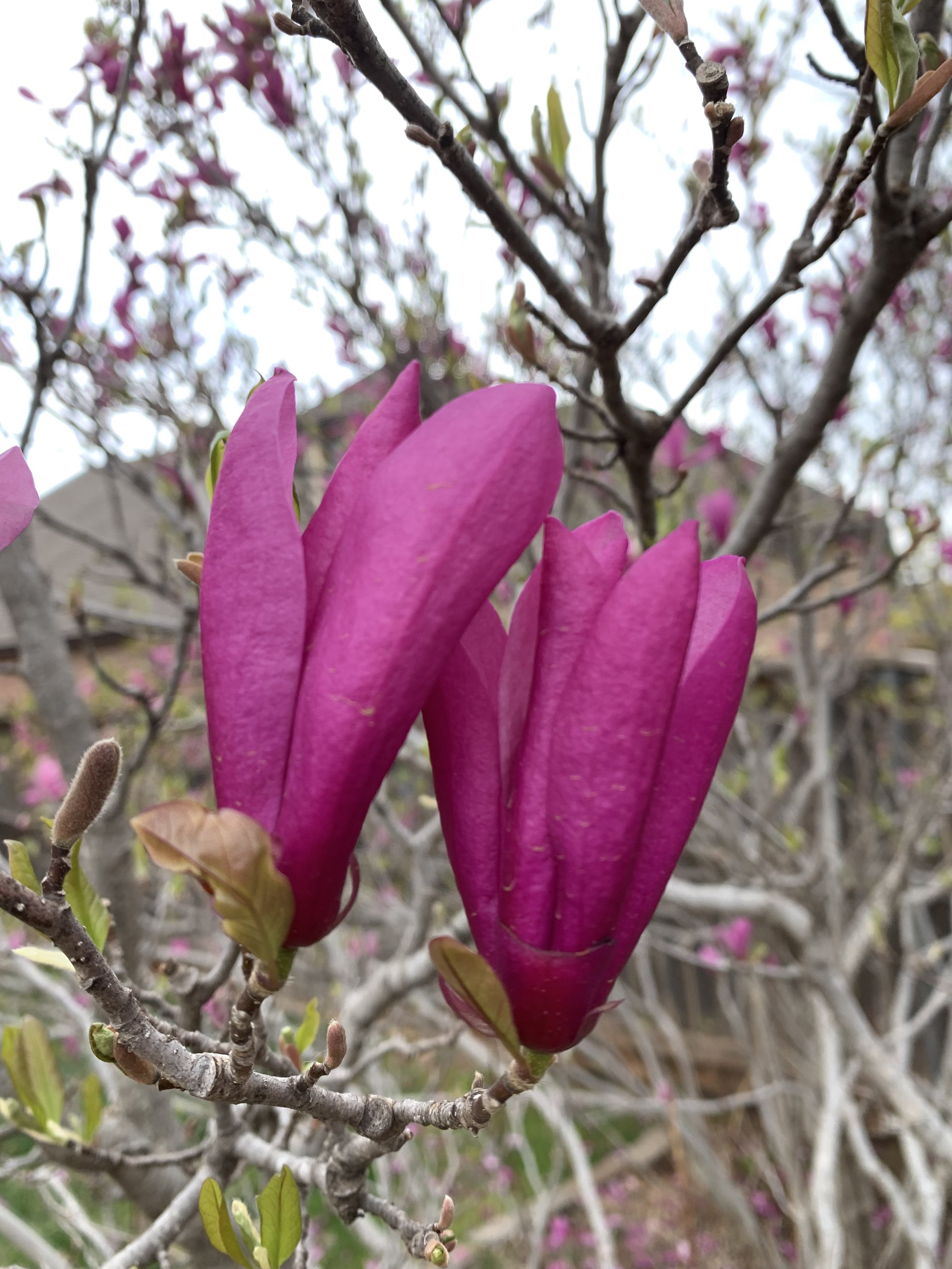
One of my April favorites, Saucer Magnolia.

Start planning now to plant bulbs this fall for spring color next year.
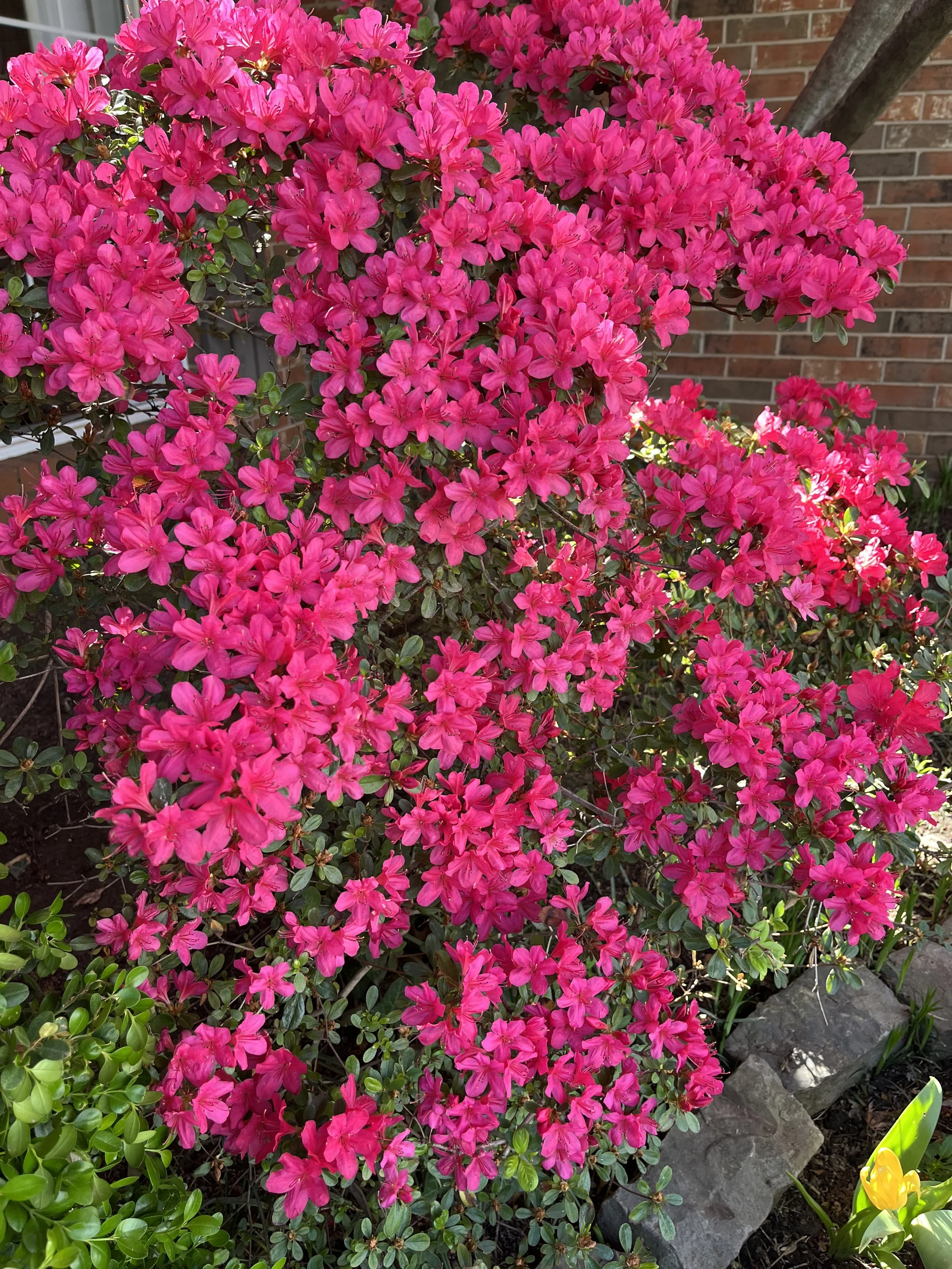
Azaleas are in full bloom around the metro, a couple of weeks earlier than normal for central Oklahoma.
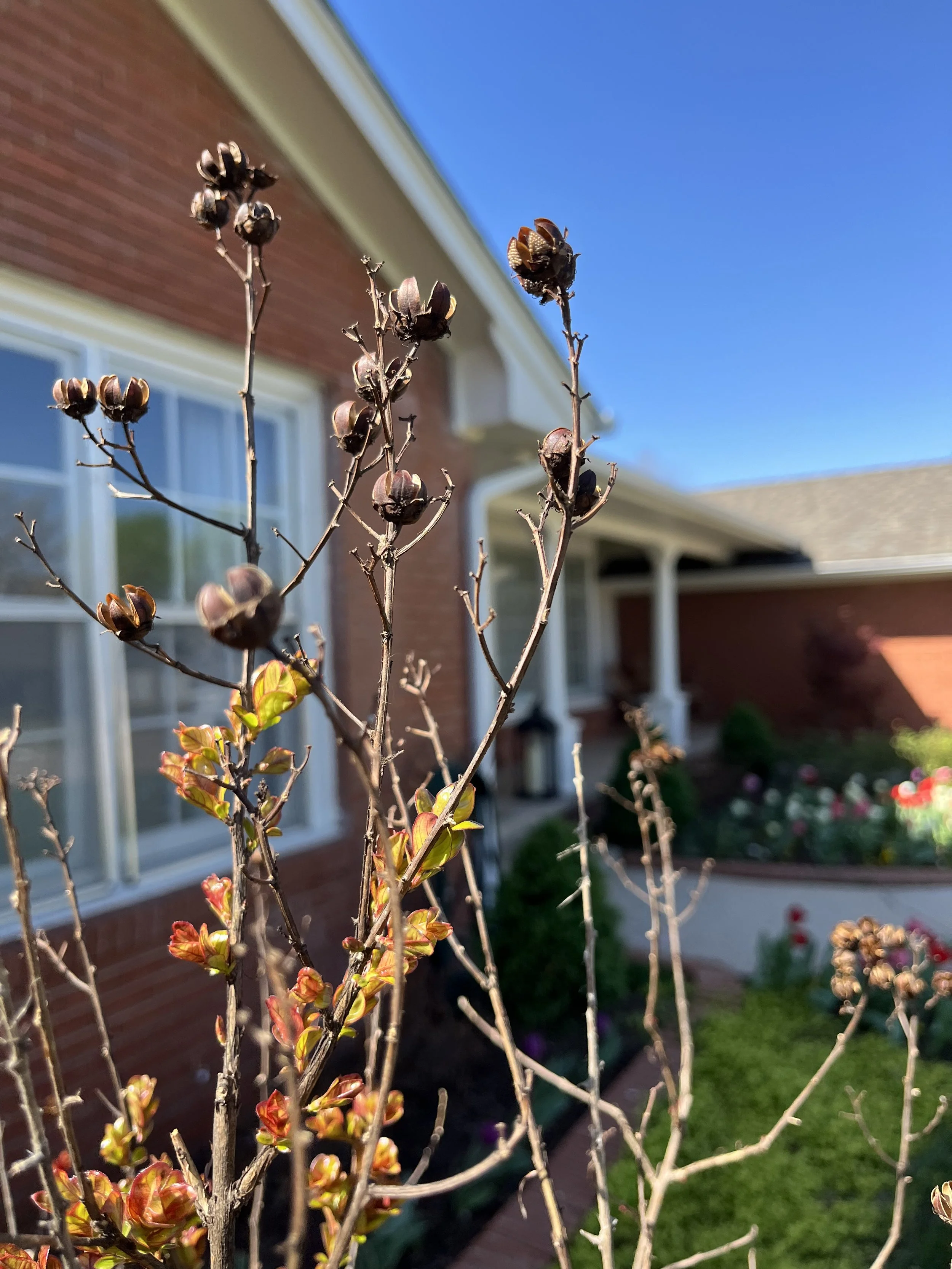
Crape Myrtles are leafing out early this year. If you haven’t done your annual pruning, now is the time to do it.
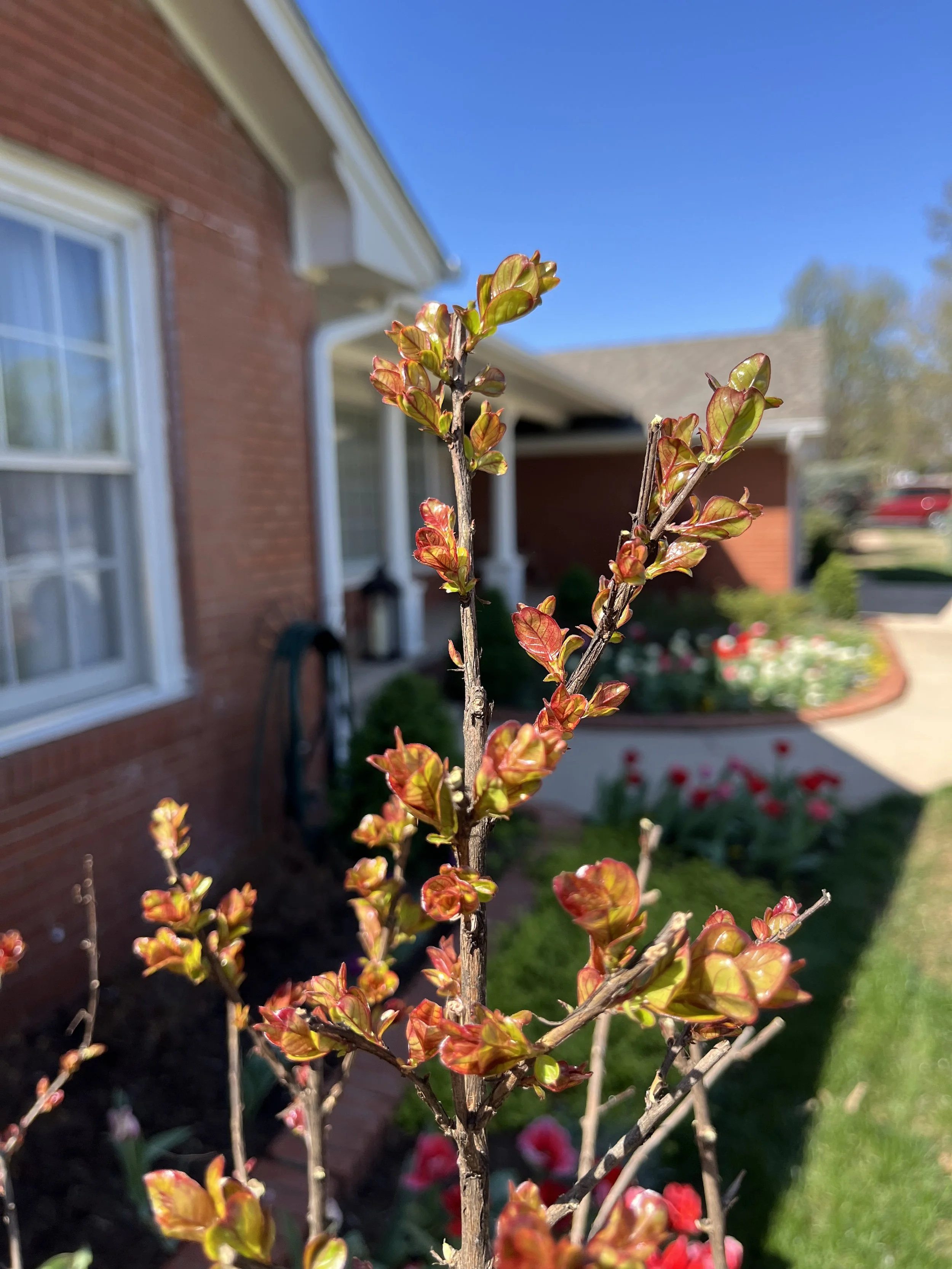
On Crape Myrtles cut off last year’s seed heads, any crossing branches, and smaller branches.
Now, go get outside!
The world is bursting with new life!
If you have any questions about your lawn or landscape, please send us an email or call (405)367-3873.
Lorne Hall
Hall | Stewart Lawn + Landscape
(405)367-3873