
Protect Your Landscape Investment…. Why Plant Health Care is Important
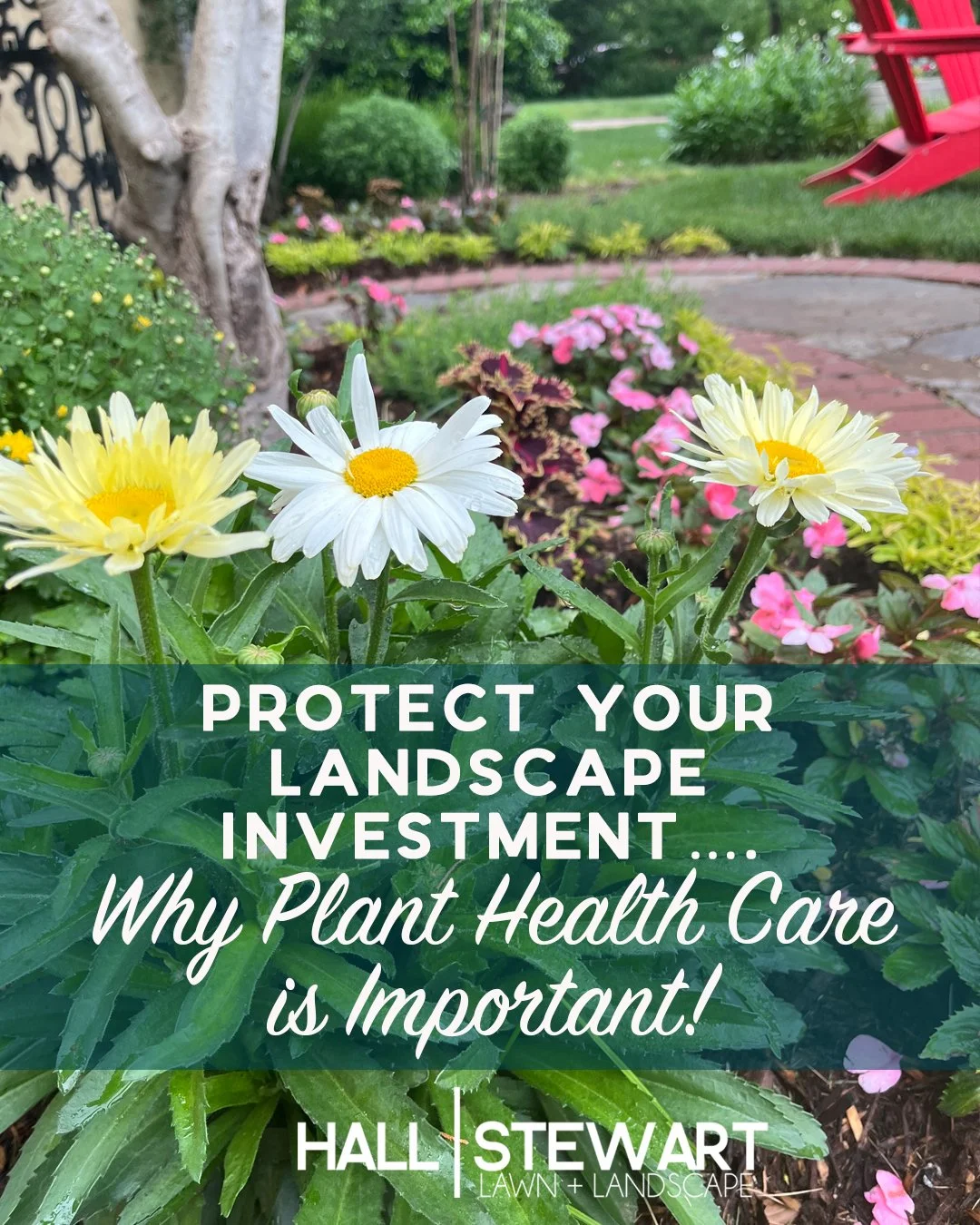
Your landscape represents a big investment.
And a well maintained, healthy landscape is a very good investment!
Research by Project Evergreen, a non-profit committed to creating a greener, healthier, cooler earth, found:
A well landscaped and maintained landscape can increase a home’s value 15 to 20% at the time of resale. A neat lawn and healthy landscape suggest the homeowners have taken good care of the property, leading buyers to perceive the home is more valuable.
Properties with an attractive and healthy landscape tend to sell faster.
Well-maintained landscapes contribute to the overall aesthetic of the neighborhood. There is an elevated perceived quality of the entire area, boosting property values.
A healthy landscape can improve environmental conditions by reducing soil erosion, improving air quality, and reducing home energy cost.
All great reasons why it is important to protect your landscape investment.
But, there is another reason to protect your landscape investment…shrubs and trees are expensive. Expensive, yes, and worth it.
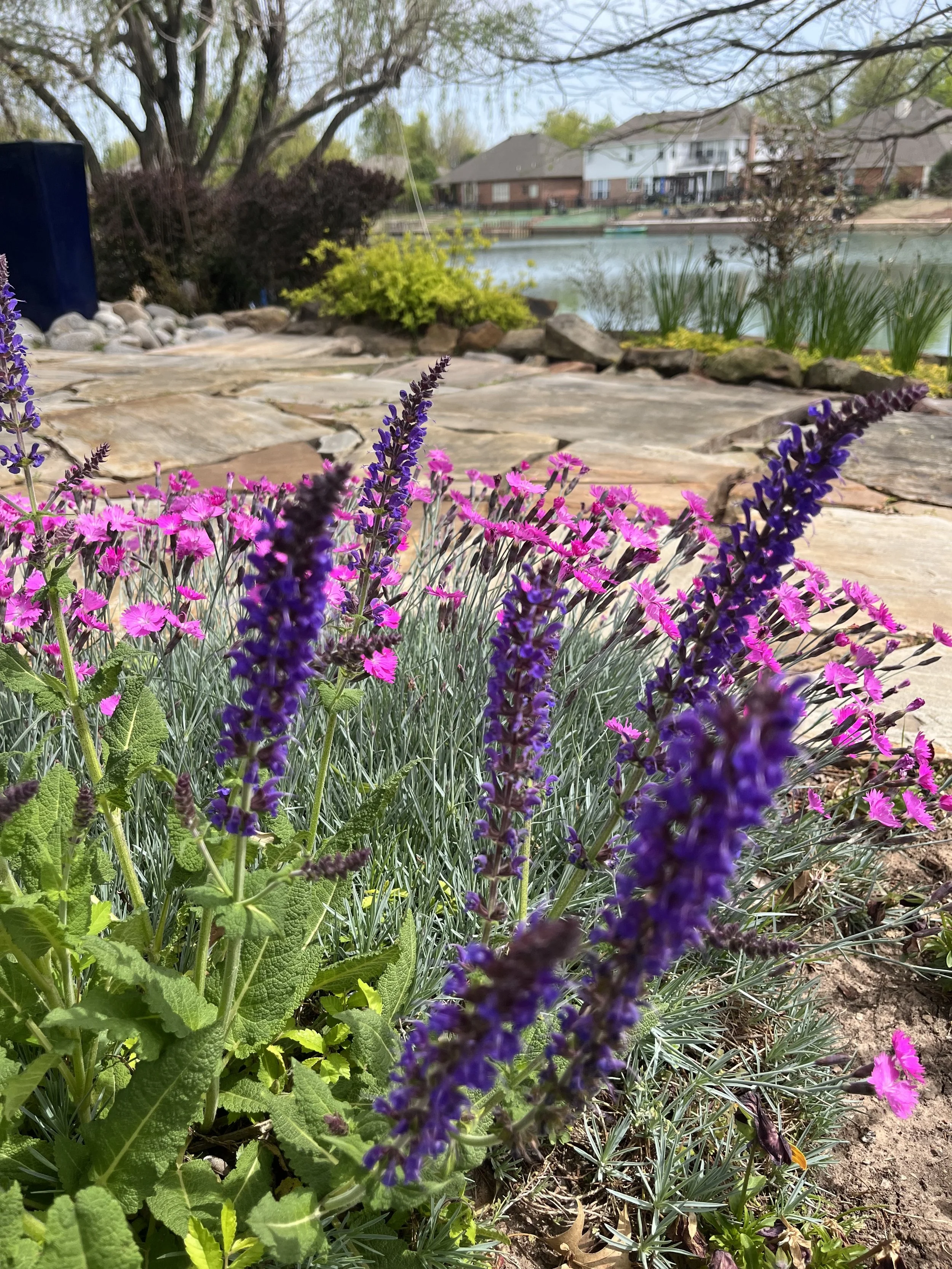
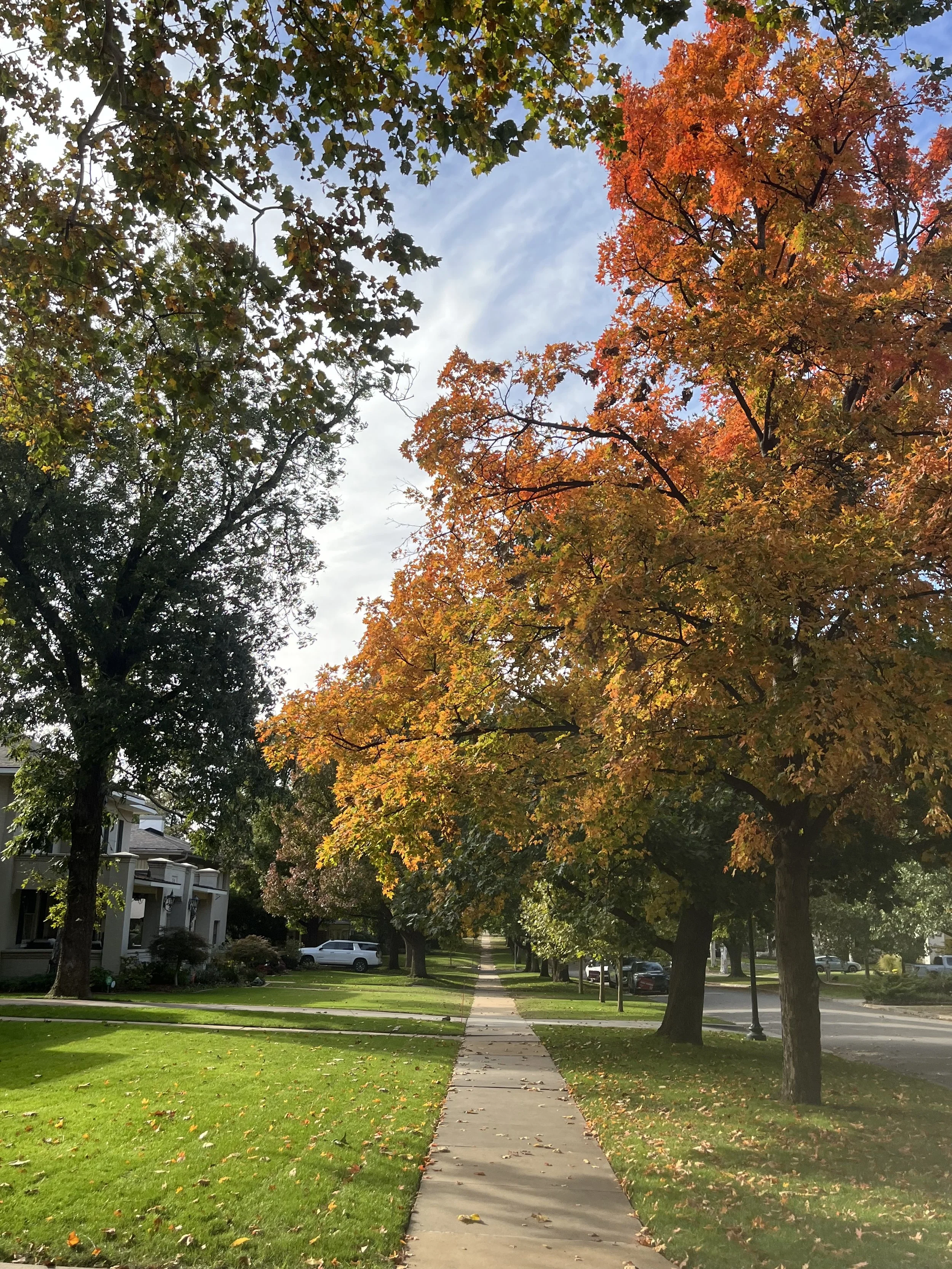
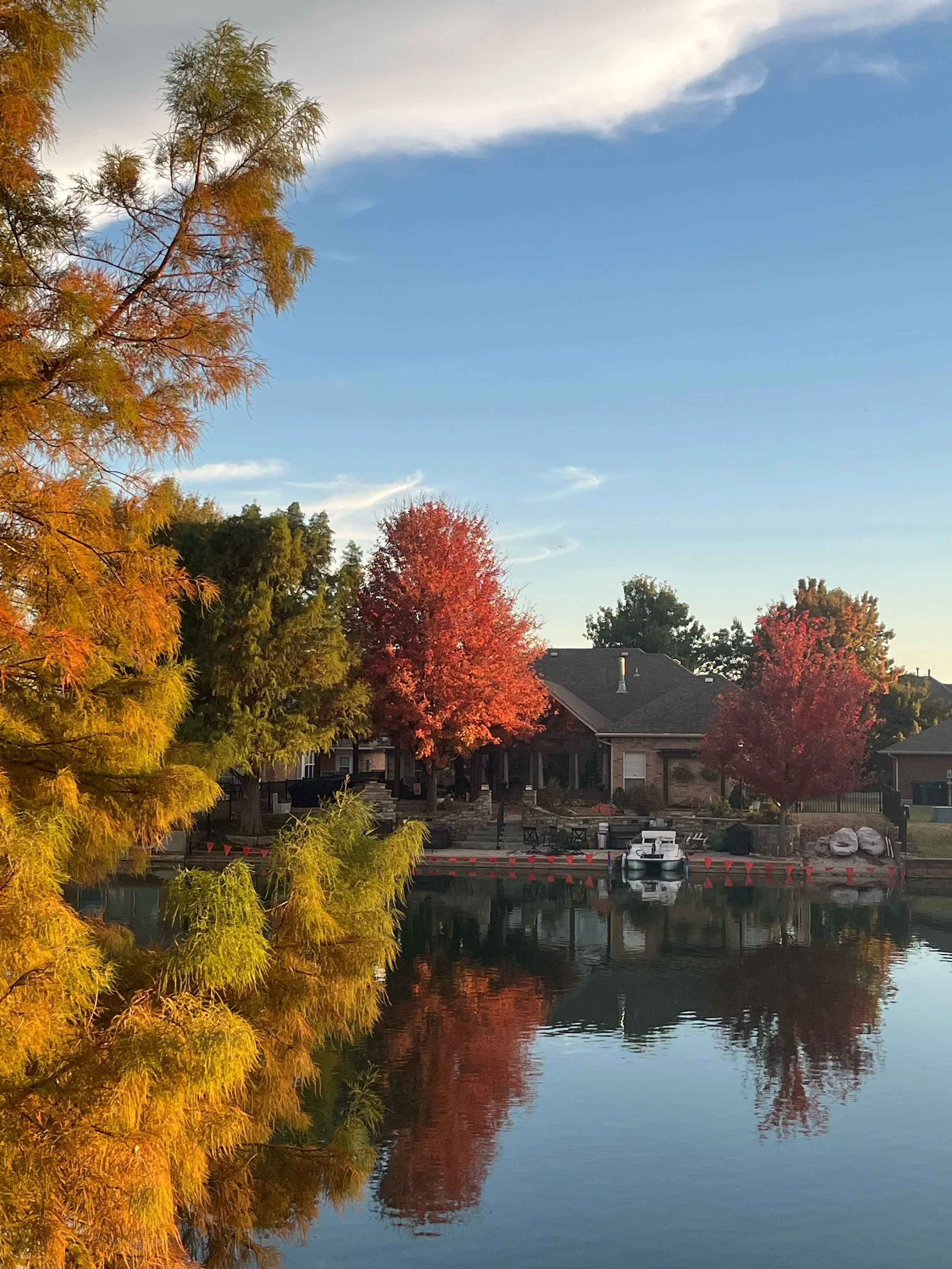
Every year a healthy landscape is increasing in value, increasing your property’s beauty and increasing your home value.
According to the Council of Tree and Landscape Appraisers,
a mature tree can have an appraised value between $1,000 and $10,000.
Caring for your landscape is well worth it!
Caring for your landscape investment pays off!
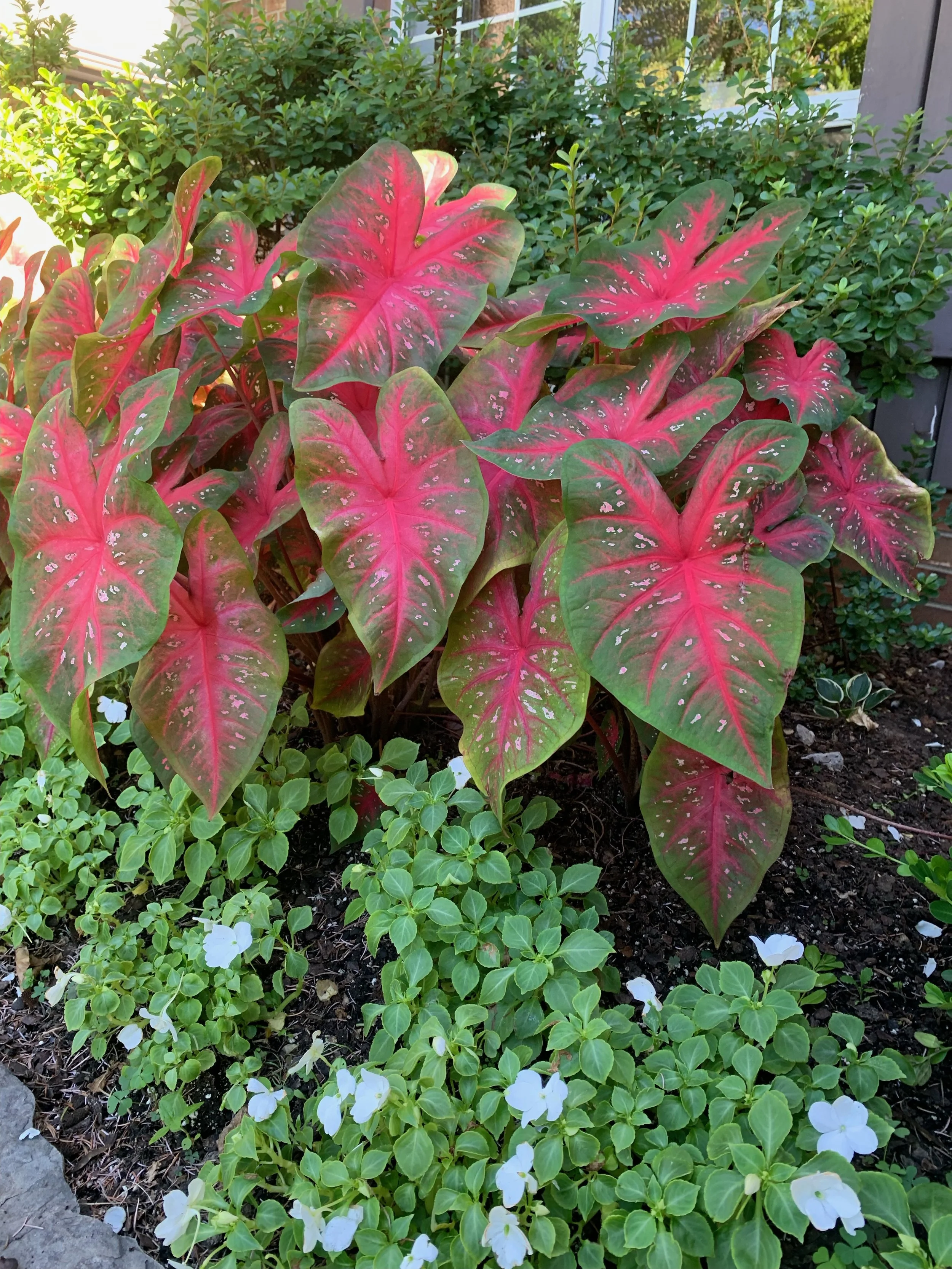
What is Plant Health Care?
Plant Health Care is a systematic approach to the care of landscape plants, trees and shrubs, which can save you money, create a healthy landscape, and reduce the amount of toxic chemicals in your landscape. A good program employs the practice of Integrated Pest Management (IPM). The key to IPM is monitoring and inspecting landscape plant materials on a regular schedule, using preventive and proactive approaches to insect and disease management, and applying controls when needed to protect your landscape investment.
Hall | Stewart’s Tree & Shrub Care Program is built around the philosophy of preventive and proactive health care.
During late winter and early spring, our program focuses on the use of dormant oils. Dormant oils work by suffocating and smothering overwintering insects. Dormant oils are a preventive plant health care solution that can reduce the need to use insecticides during the season to control plant damaging insects.
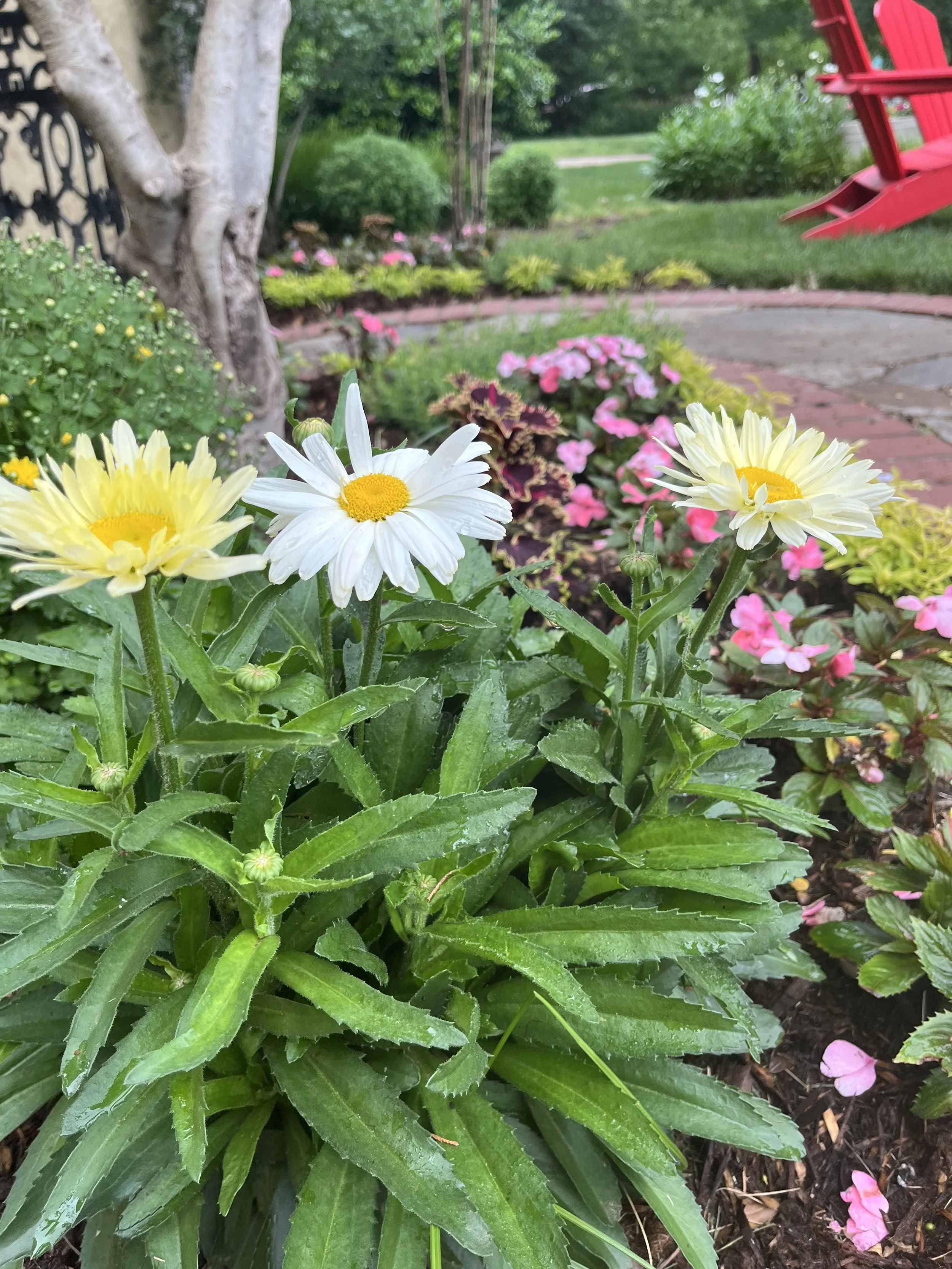
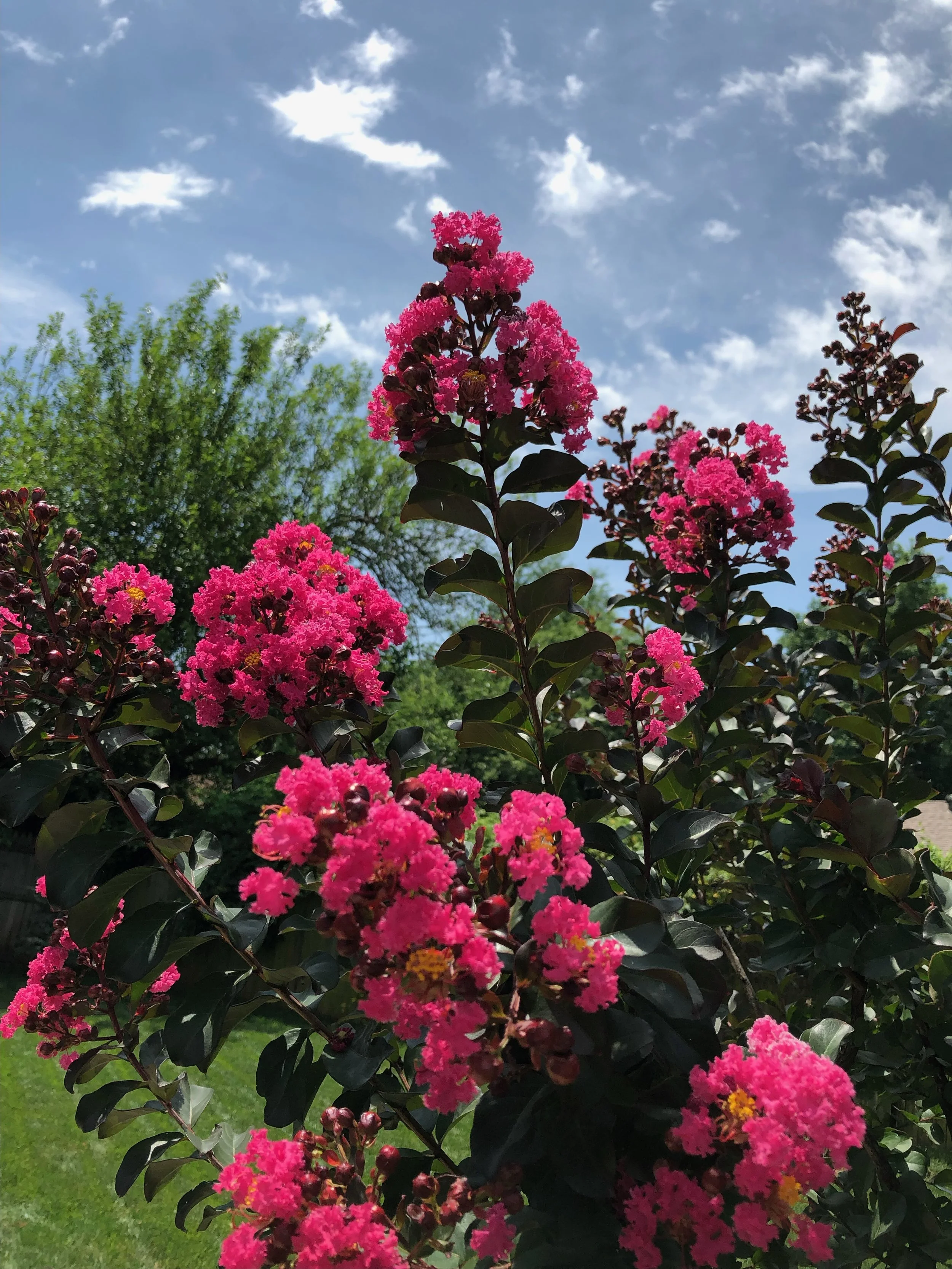
Throughout the spring, as your landscape is coming alive, Hall | Stewart’s Tree & Shrub Care Program has two focuses: systemic insecticides and soil health.
Systemic Insecticides - This application is a proactive approach to reducing the severity of chewing and sucking insects during the growing season.
A few of the most common issues our proactive systemic insecticide application is designed to control:
Bagworms - Active from May through September. Favorite host plants are juniper, arborvitae, spruce, pine, cedar, but can infest deciduous trees and shrubs. Heavy infestations can kill a plant.
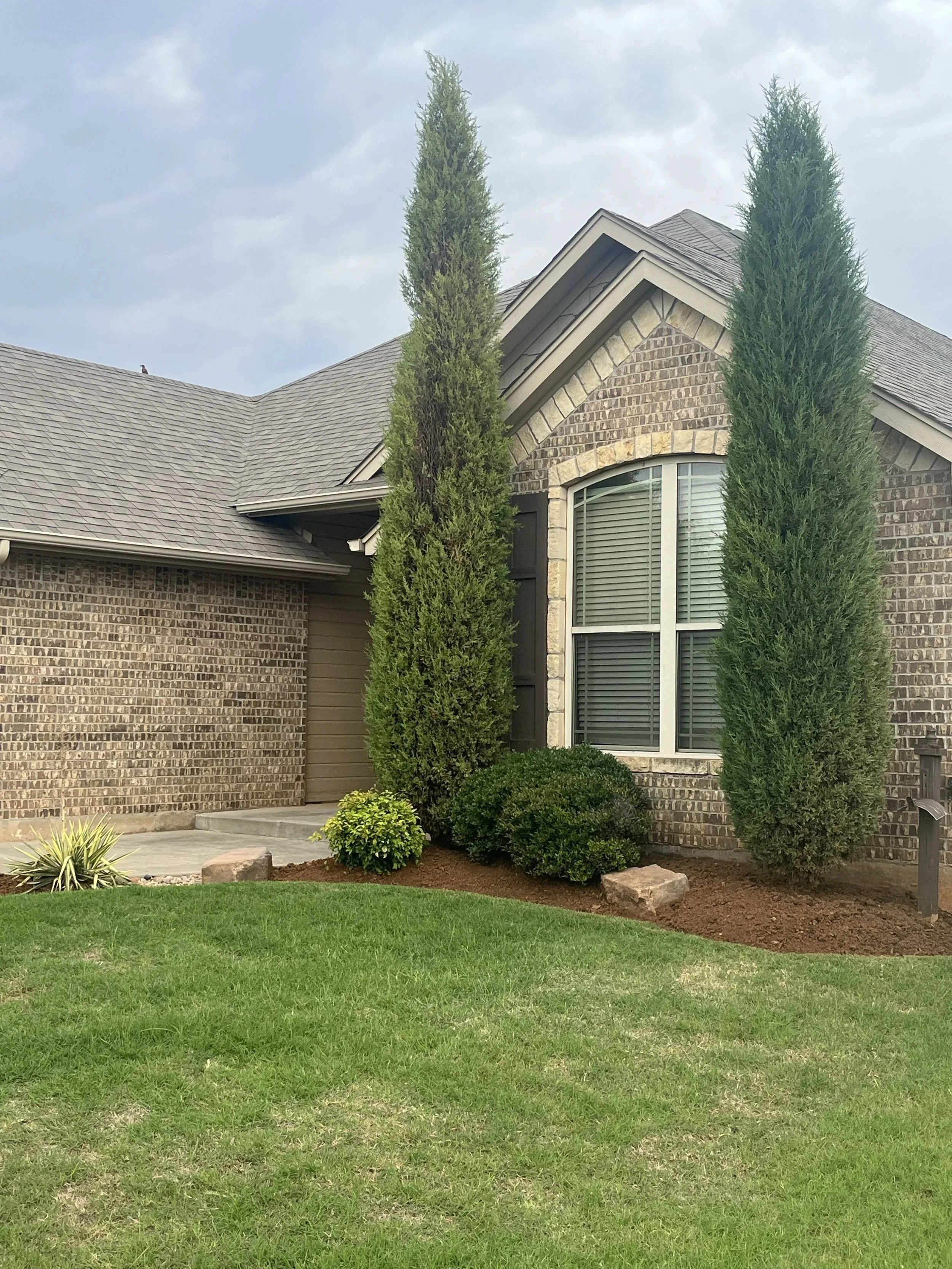
Be on the lookout for any plants that don’t look their best. Notice the slight color difference between these two Taylor Junipers? After close inspection, bagworms were found feeding on the one on the left.
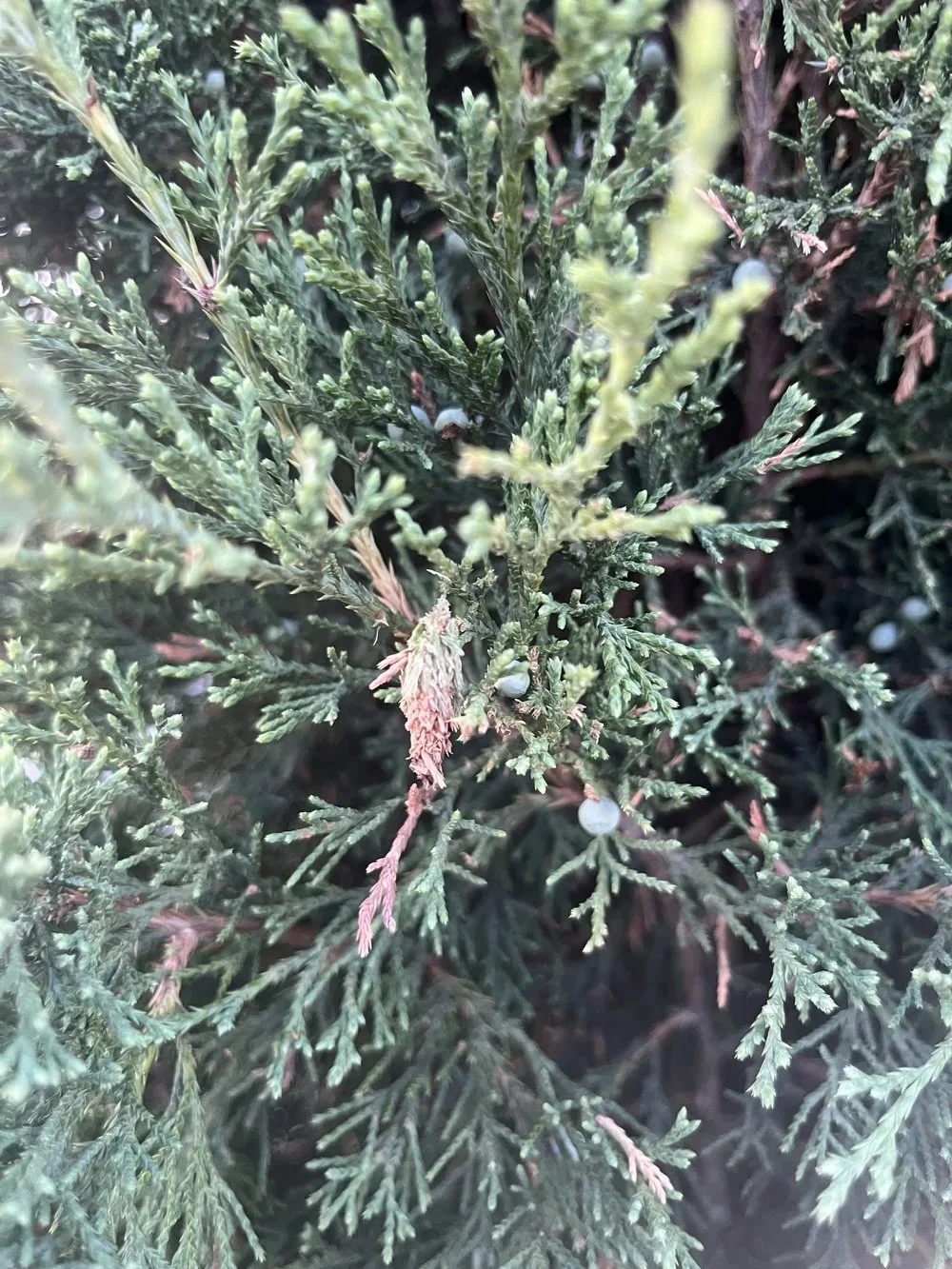
Be on the lookout for any plants that don’t look their best. Notice the slight color difference between these two Taylor Junipers? After close inspection, bagworms were found feeding on the one on the left.
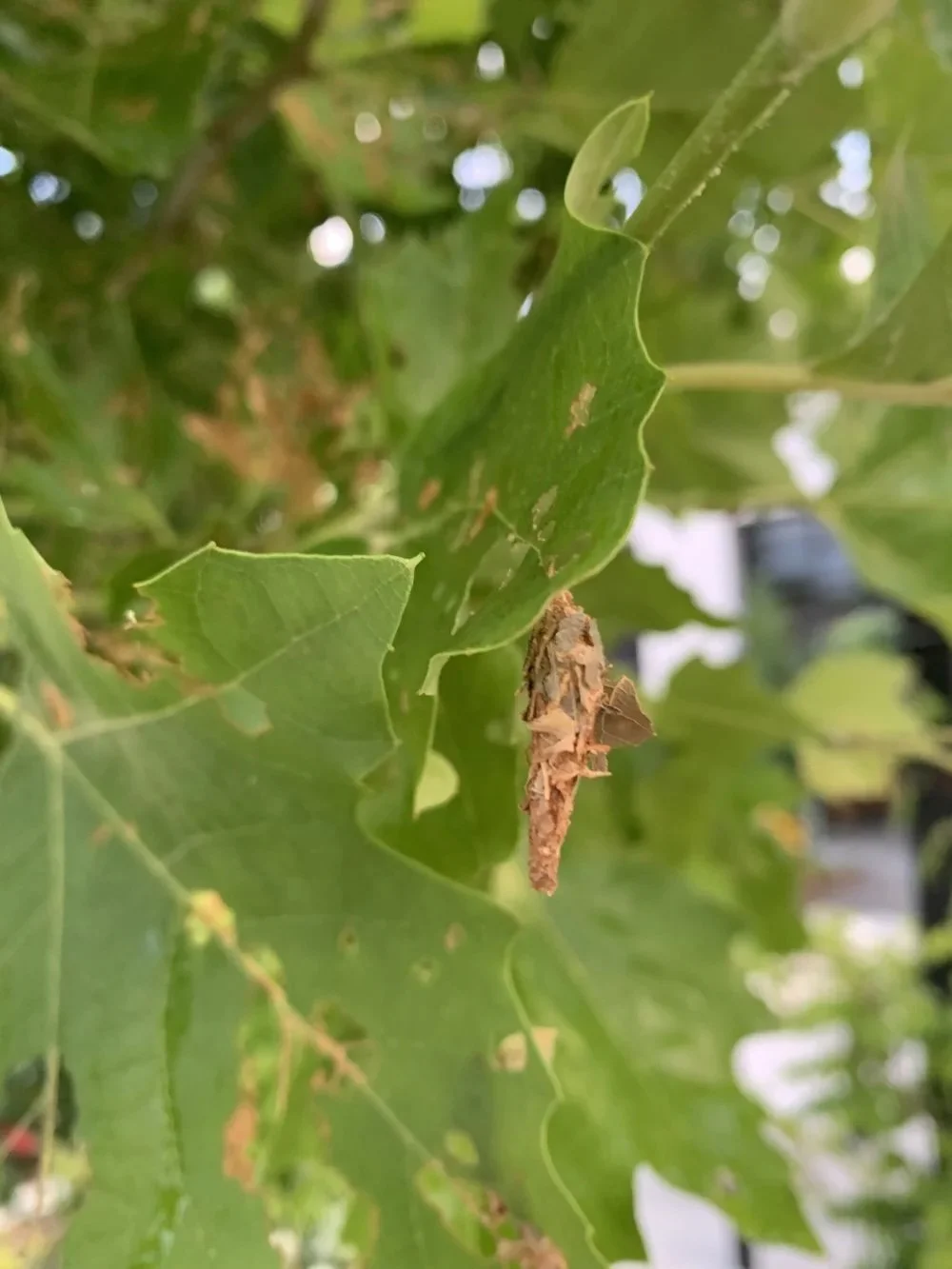
Although not as common bagworms will feed on deciduous trees. If you notice skeletonized leaves, look close, most likely there are bagworms attacking the tree.
Aphids - Active in April and increase rapidly as temperatures rise. The honeydew, sticky substance they excrete is the easiest way to know aphids are active. Heavy populations can cause wilt and yellowing of leaves as the sap is removed. Blooming trees and shrubs will see a reduction in flowers.
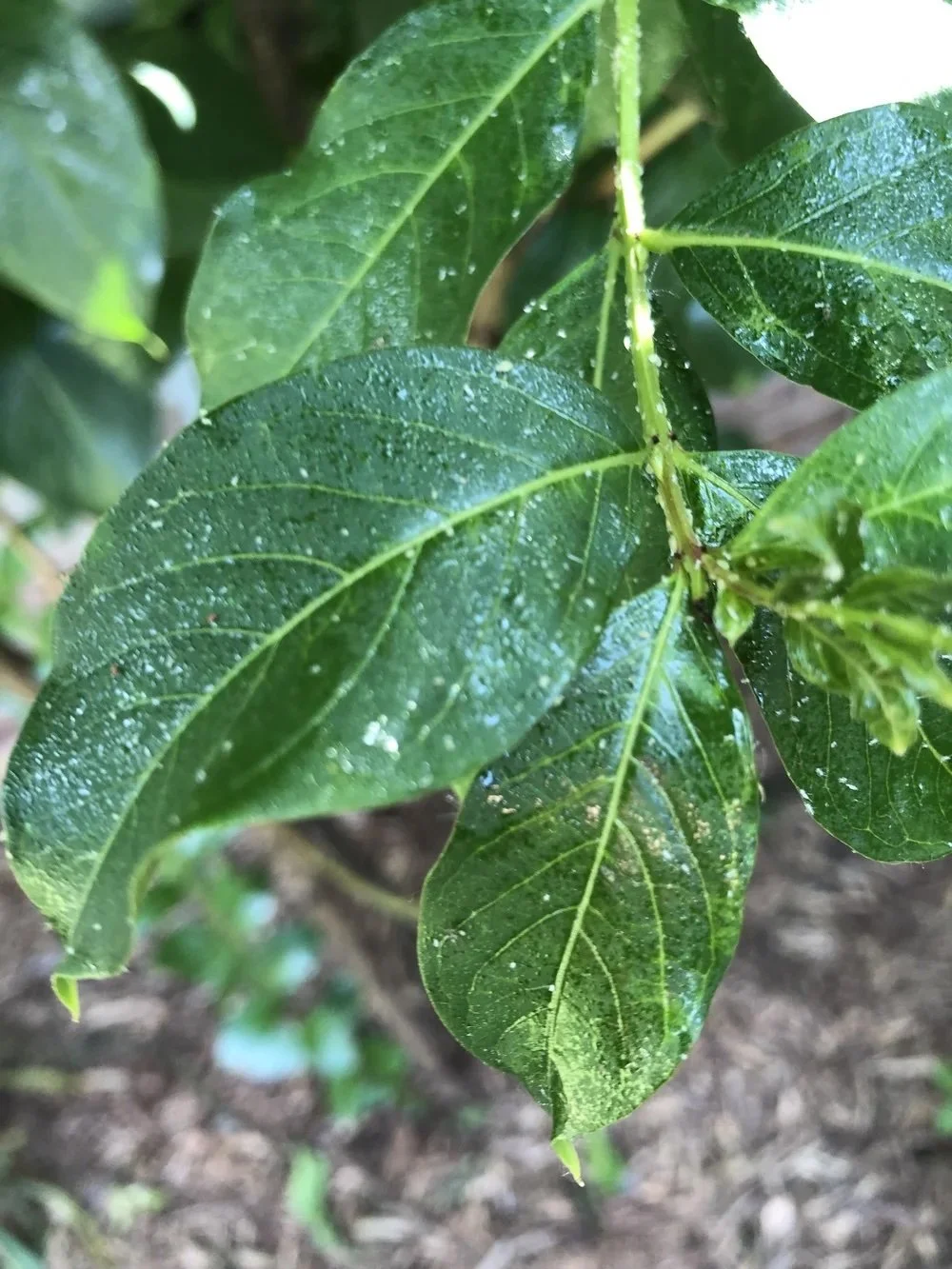
Aphids are small and often go unnoticed but the sticky substance they leave behind is easy to spot.
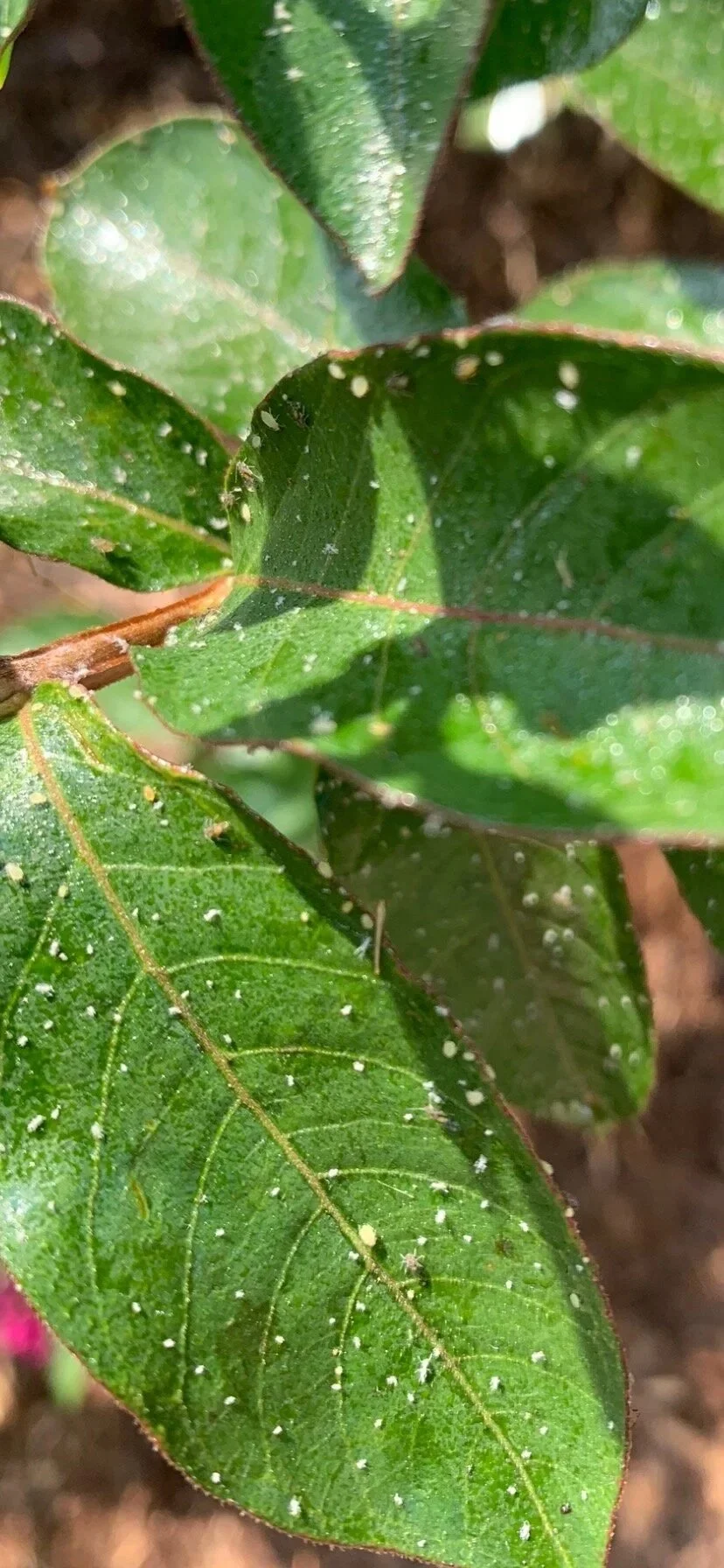
Aphids feed on the underside of the leaf and become noticeable as the leaf becomes covered with the sticky substance they excrete.
Spider Mites - Active from early summer through fall. The hotter and drier the weather, the more severe the problem will become.First shows up as stippling of light dots on the leaves. Leaves then turn from bronze to yellow and then fall off.
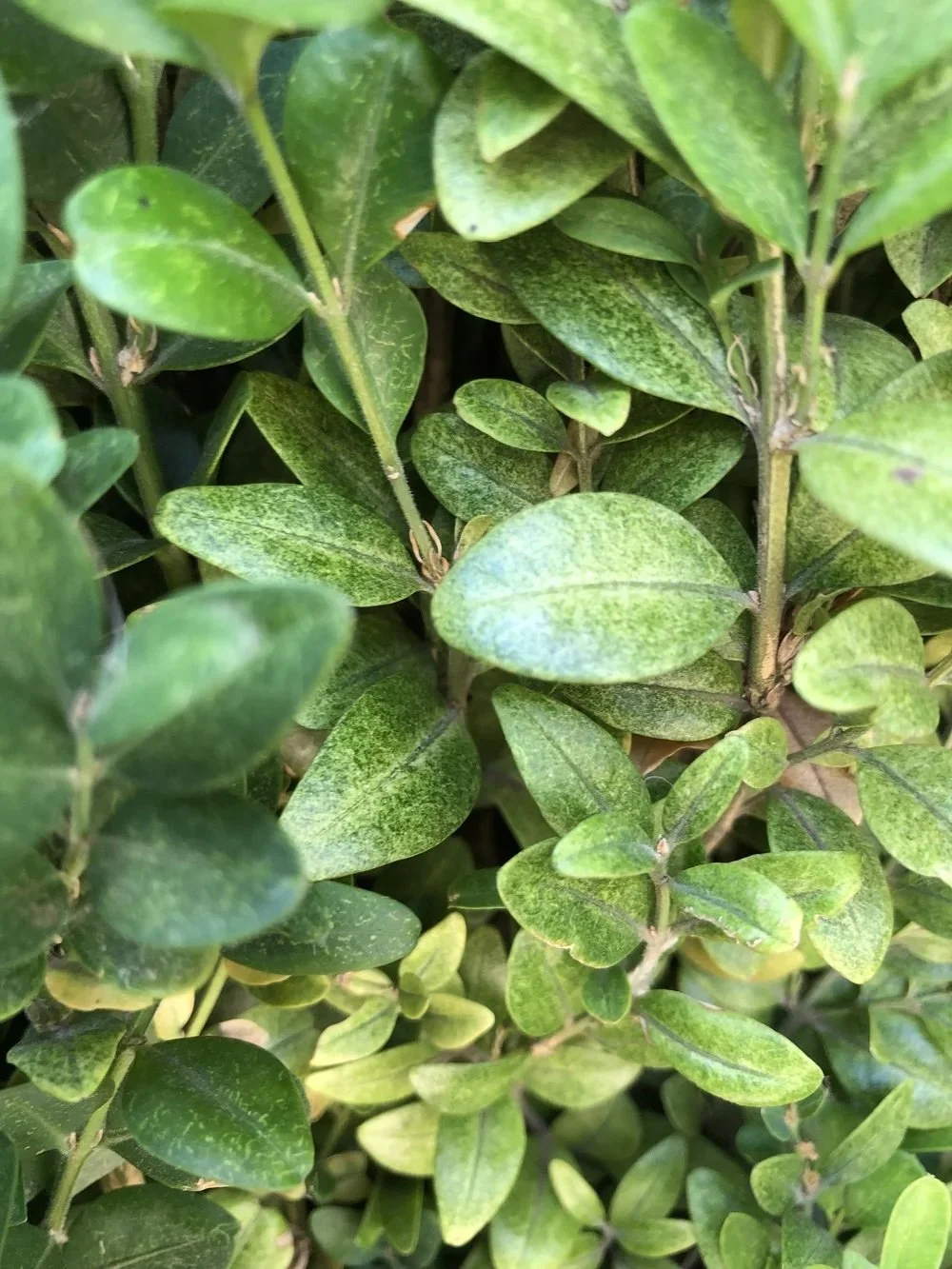
Early signs of spider mites.
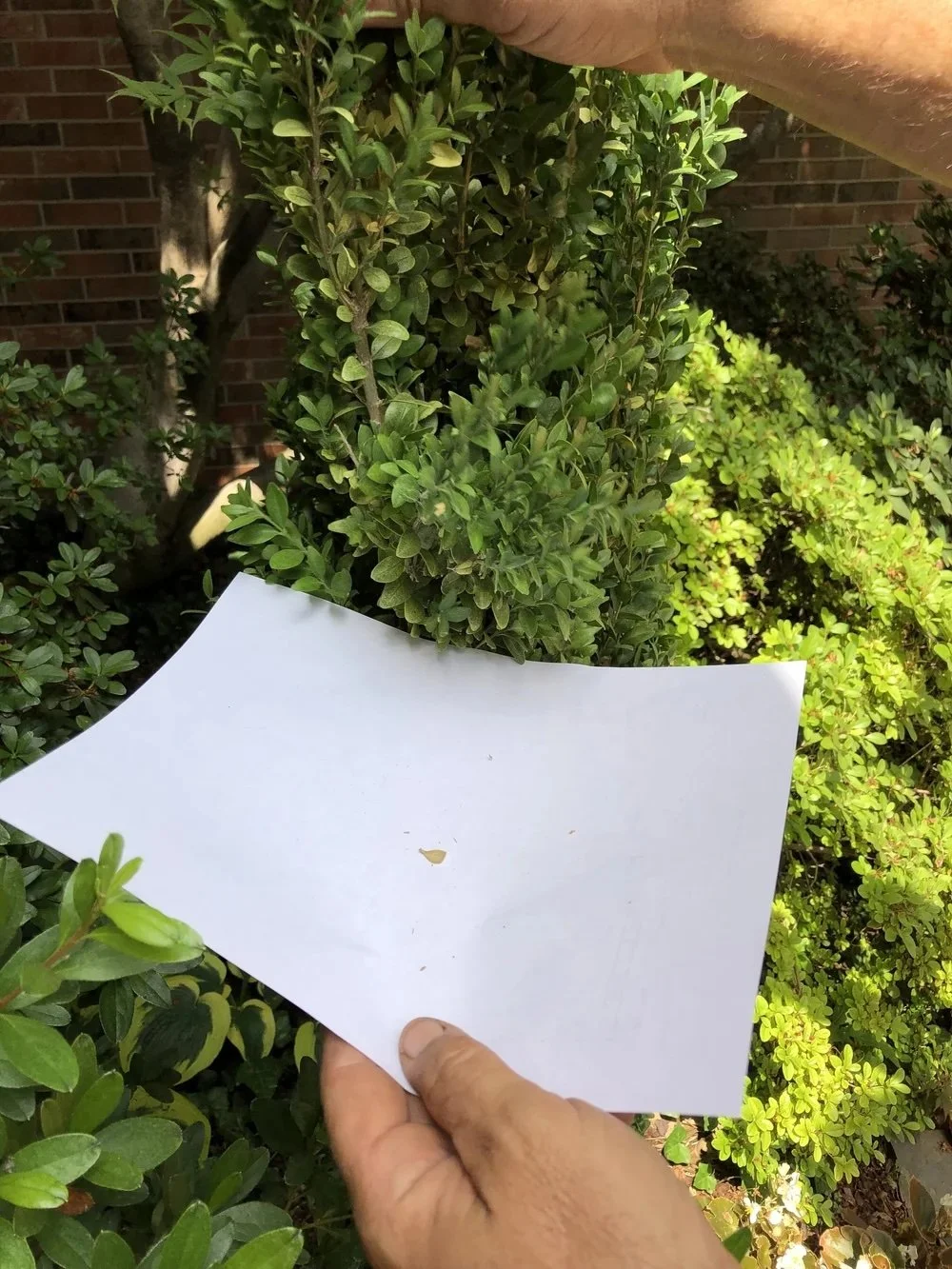
To know if you have spider mites shake leaves over a white sheet of paper.
Spider mites will look like tiny moving black dots.
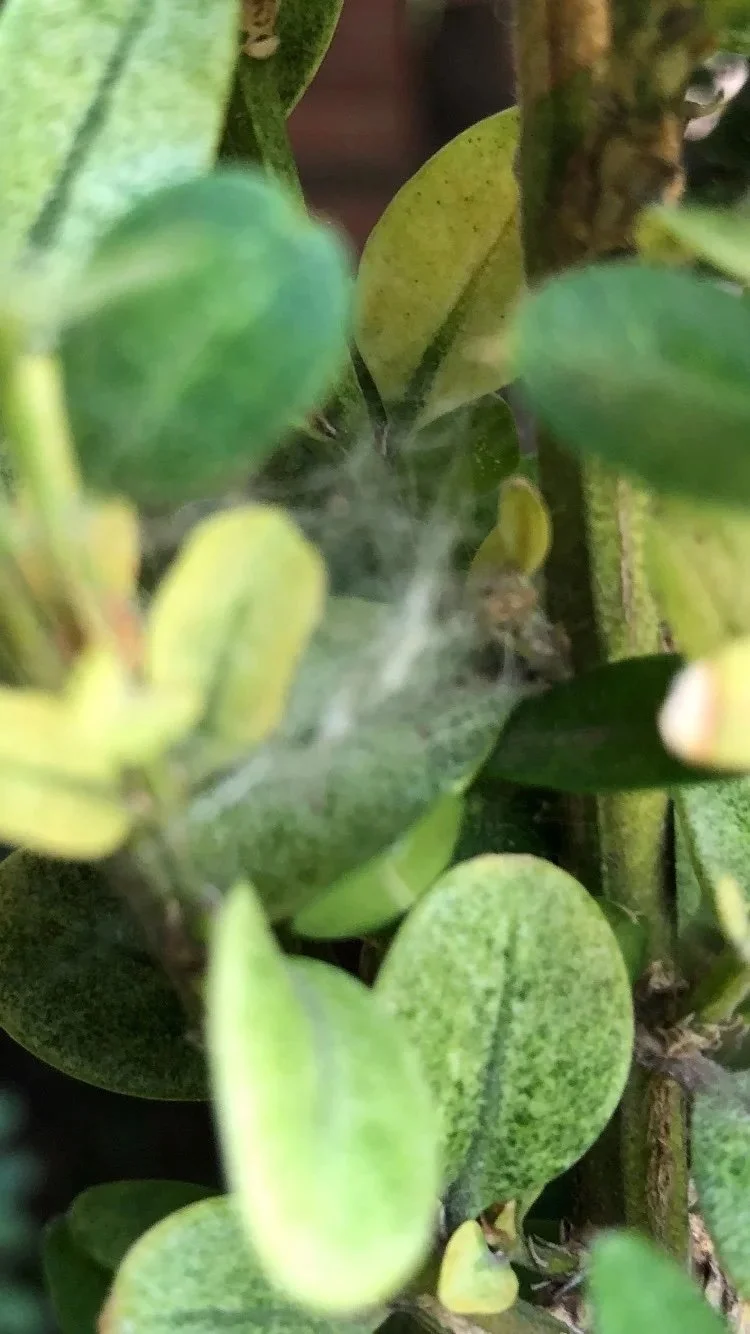
Silk protective webbing formed by the spider mite.
Crape Myrtle Scale - Active May through September. The scale is white to gray and exudes a pink blood-like liquid when crushed. Initially you will notice a black sooty mold on the twigs and trunks of crape myrtles. Bark scale is difficult to control without the use of a systemic insecticide to kill the sucking pests.
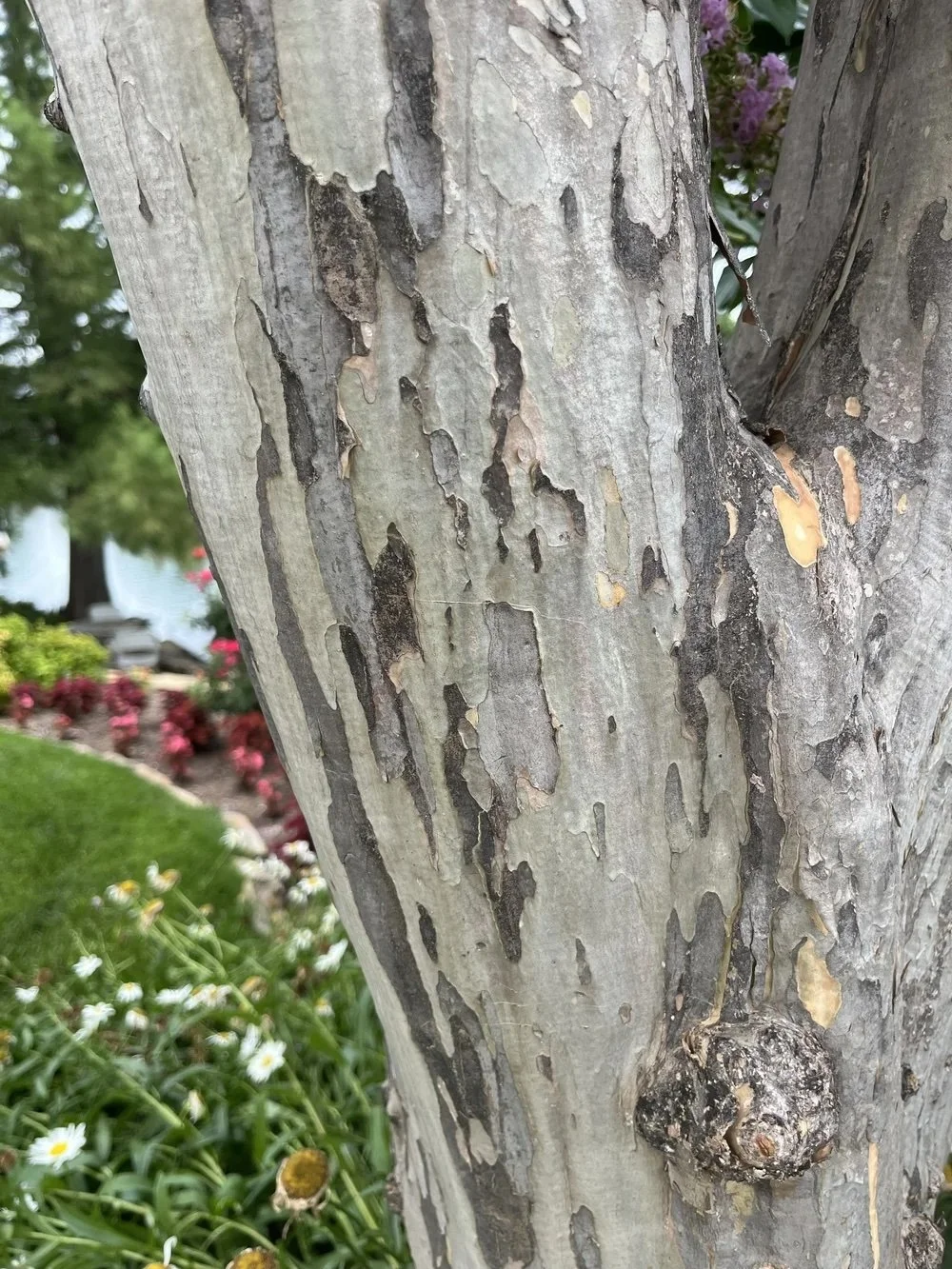
This 25 year old Crape Myrtle was suffering from Crape Myrtle Scale. One year after trunk injections of a systemic insecticide and the mature tree is once again healthy and insect free.
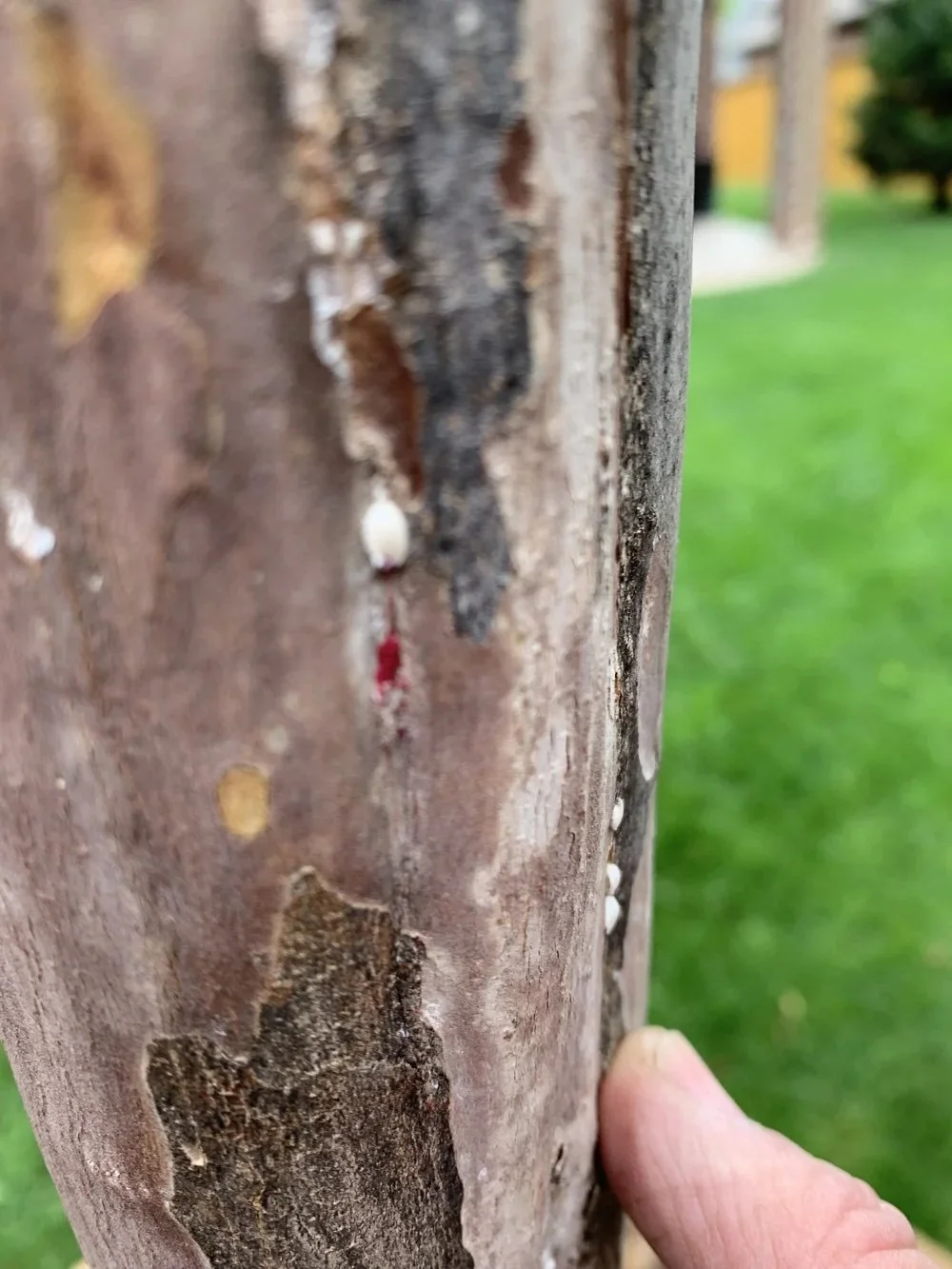
White scale attacks Crape Myrtles leaving a black sooty substance on the bark.
Soil Health – In our urban and suburban environment, trees and shrubs often become stressed due to poor soils, insufficient moisture, lack of nutrients and harsh growing conditions. Our program uses high quality micro-nutrient fertilizer to provide consistent, extended feeding for your plants. The product improves soil structure, reduces plant stress, increases soil water retention, and promotes root growth and plant vigor without excessive shoot growth.
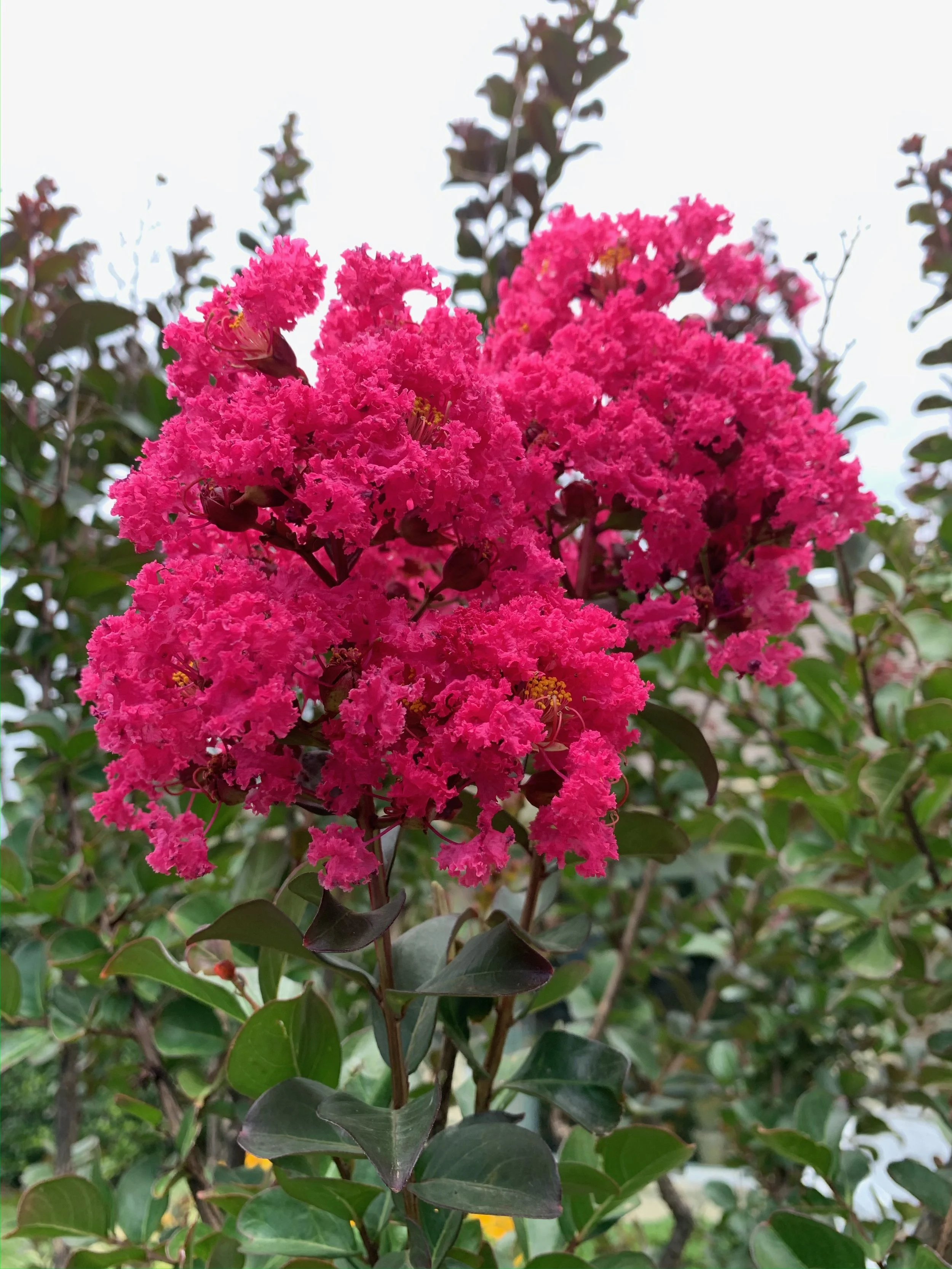
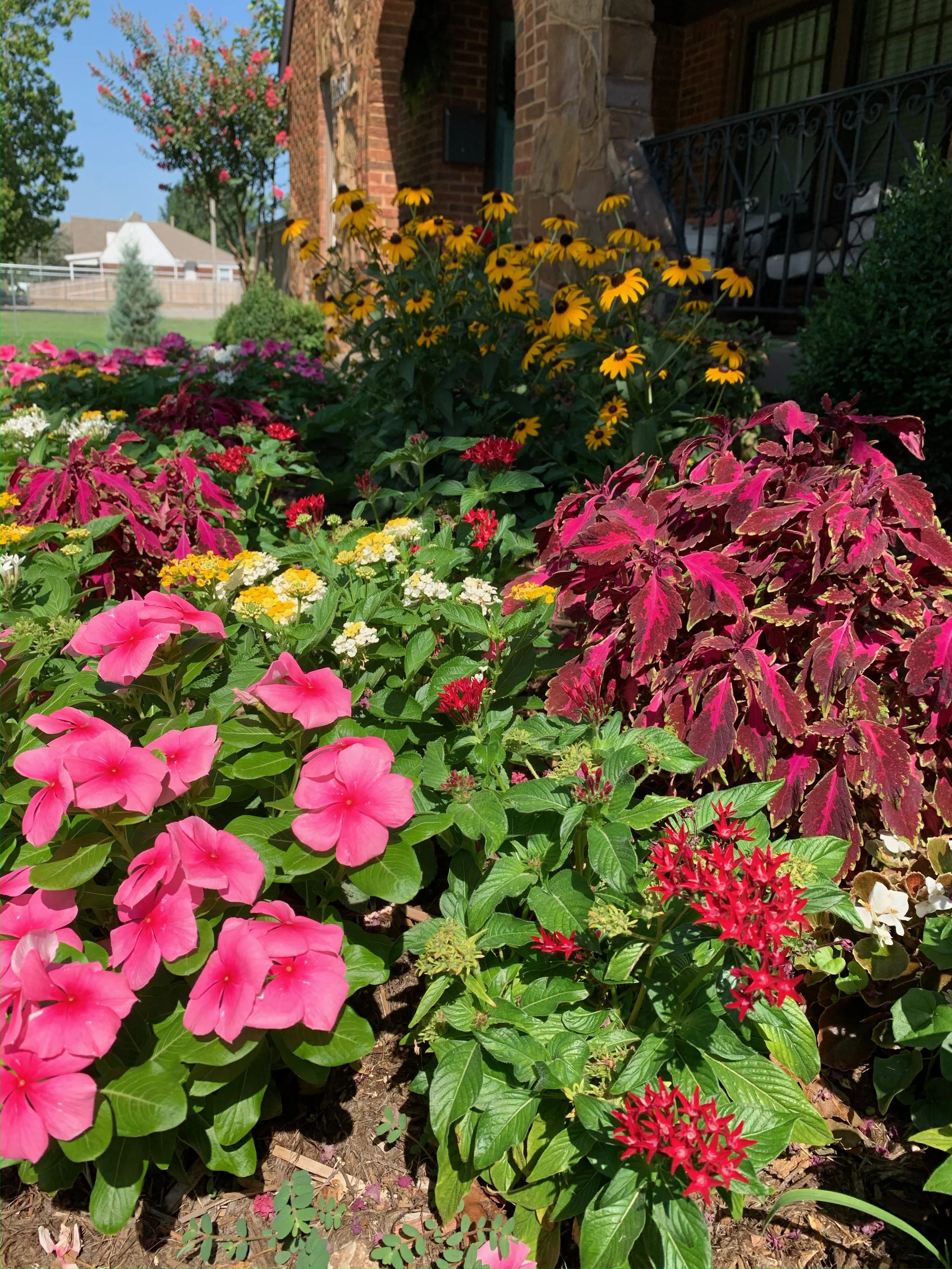
If you would like to know more about Hall | Stewart’s Tree & Shrub Care Programs or have a professional evaluation of your landscape, please give us a call (405)367-3873 or simply reply to this email.
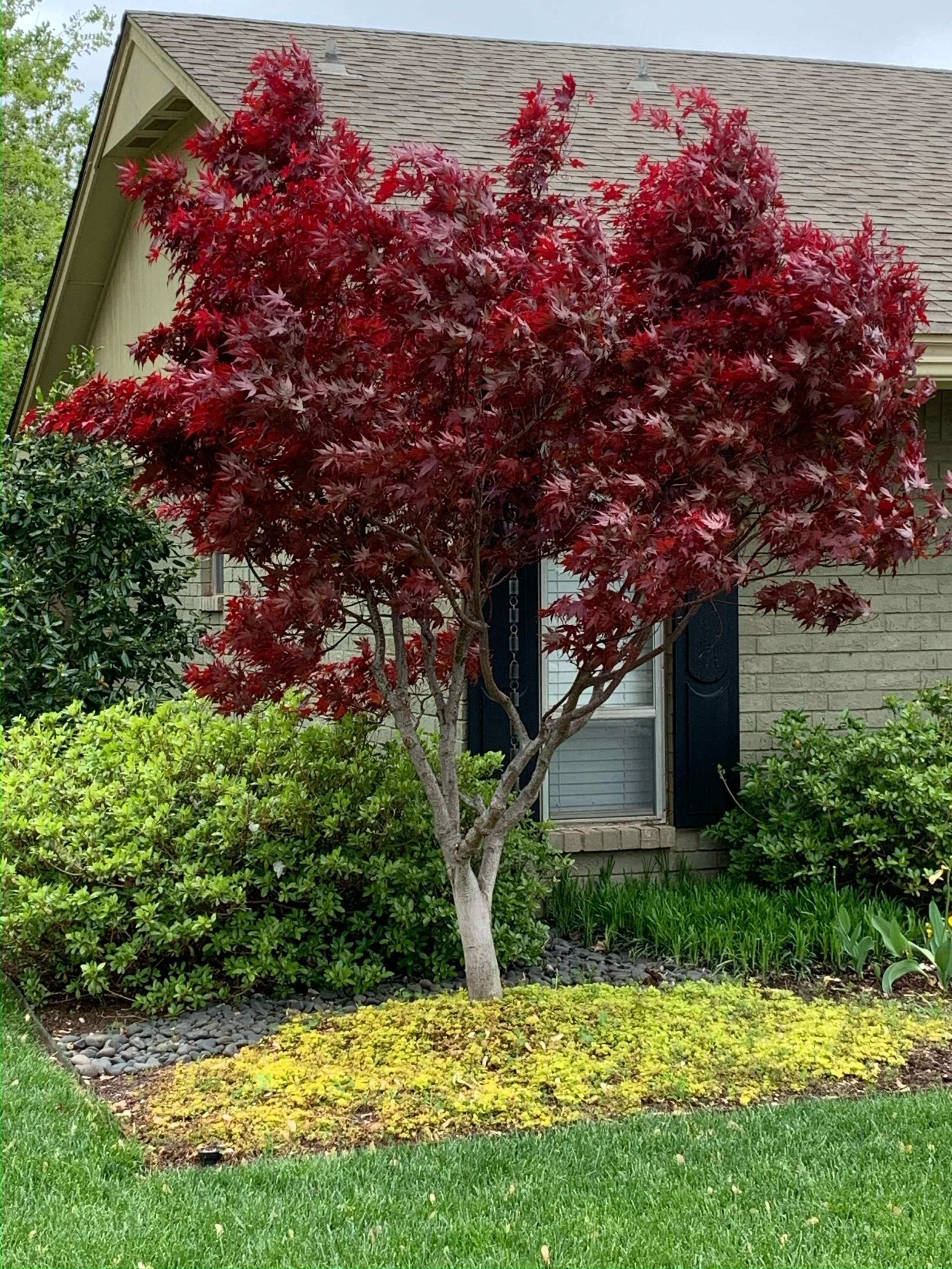
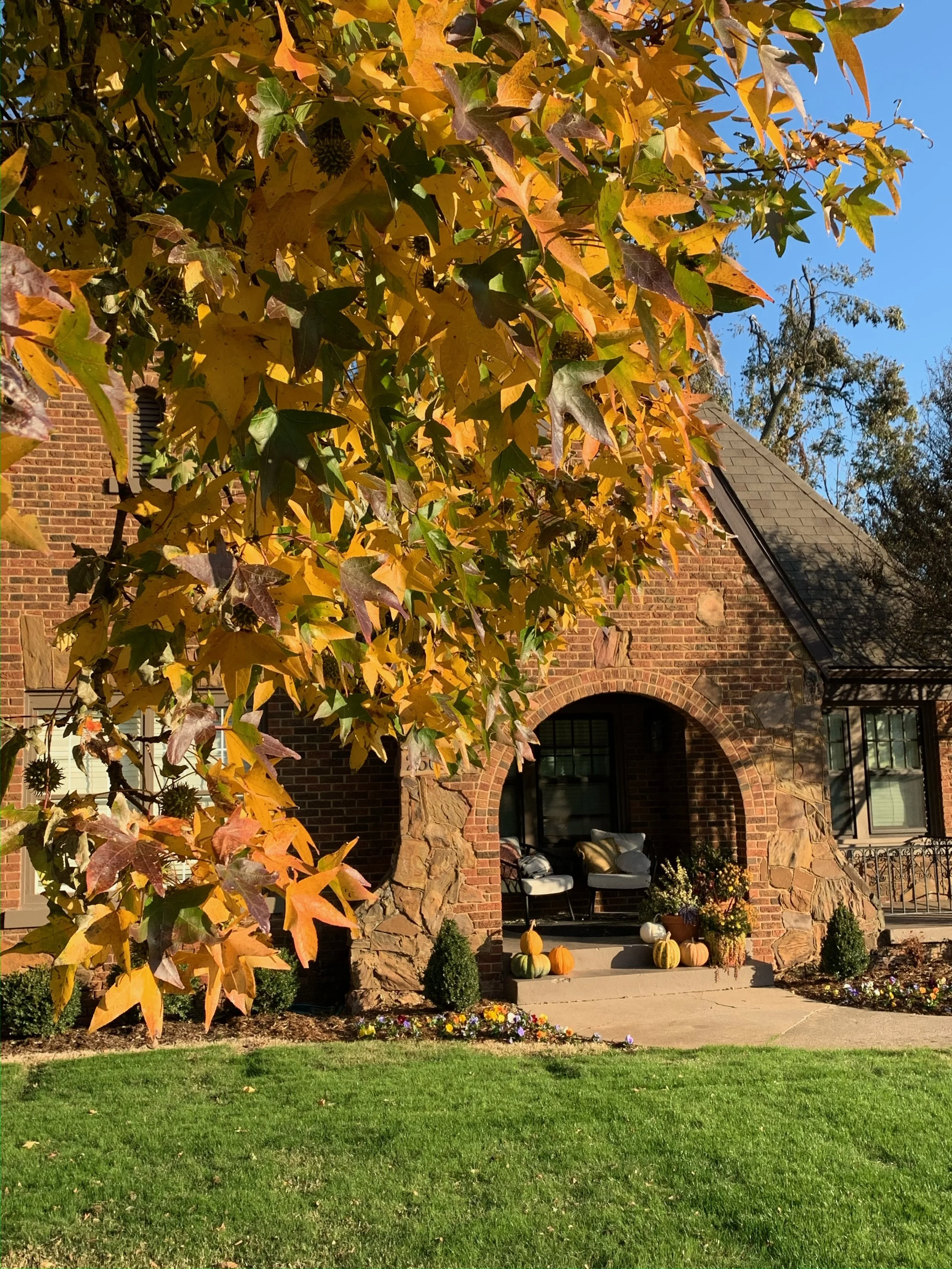
Our goal is to help you protect your landscape investment.
Why, because trees and shrubs are well worth it!
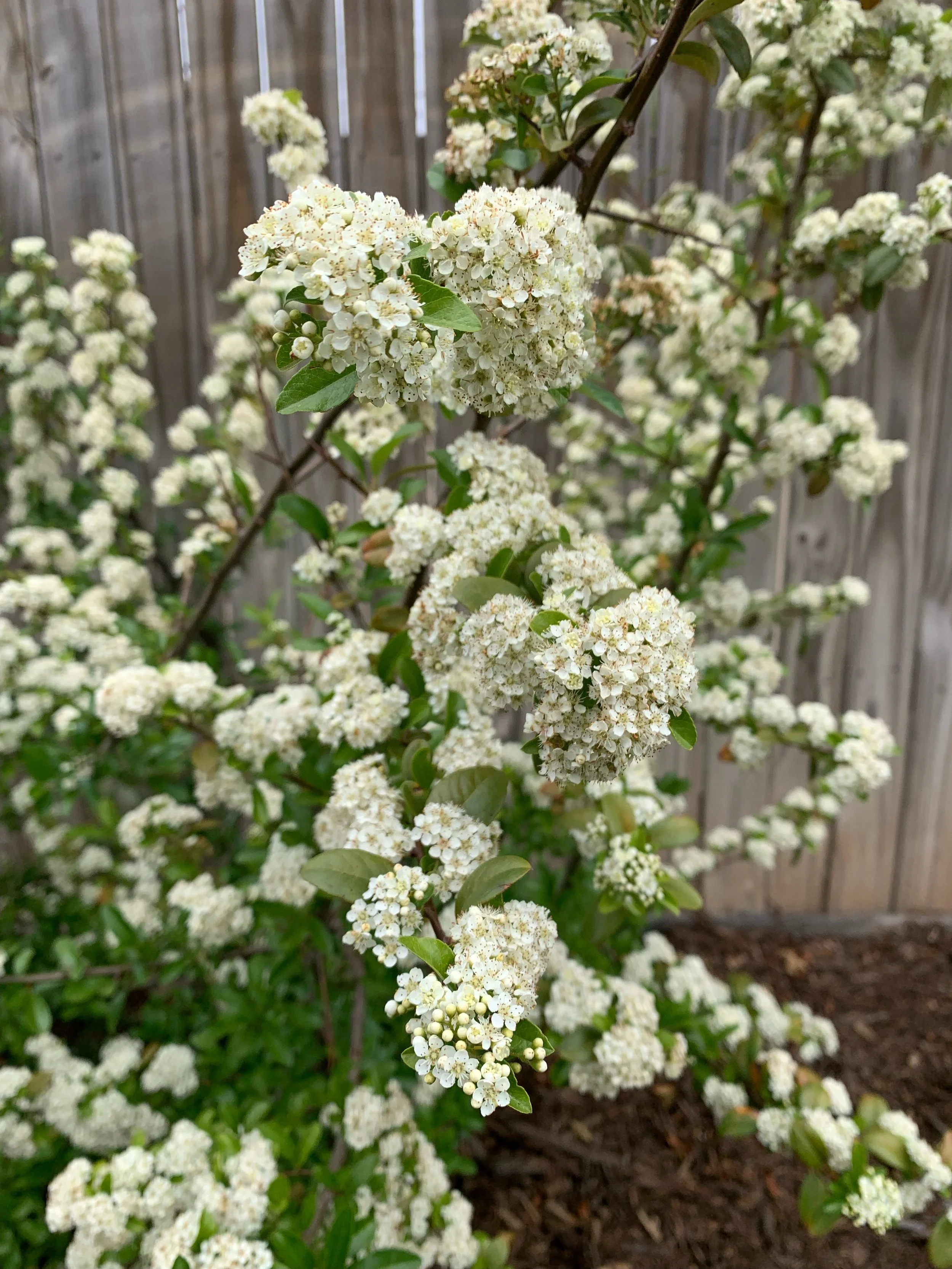
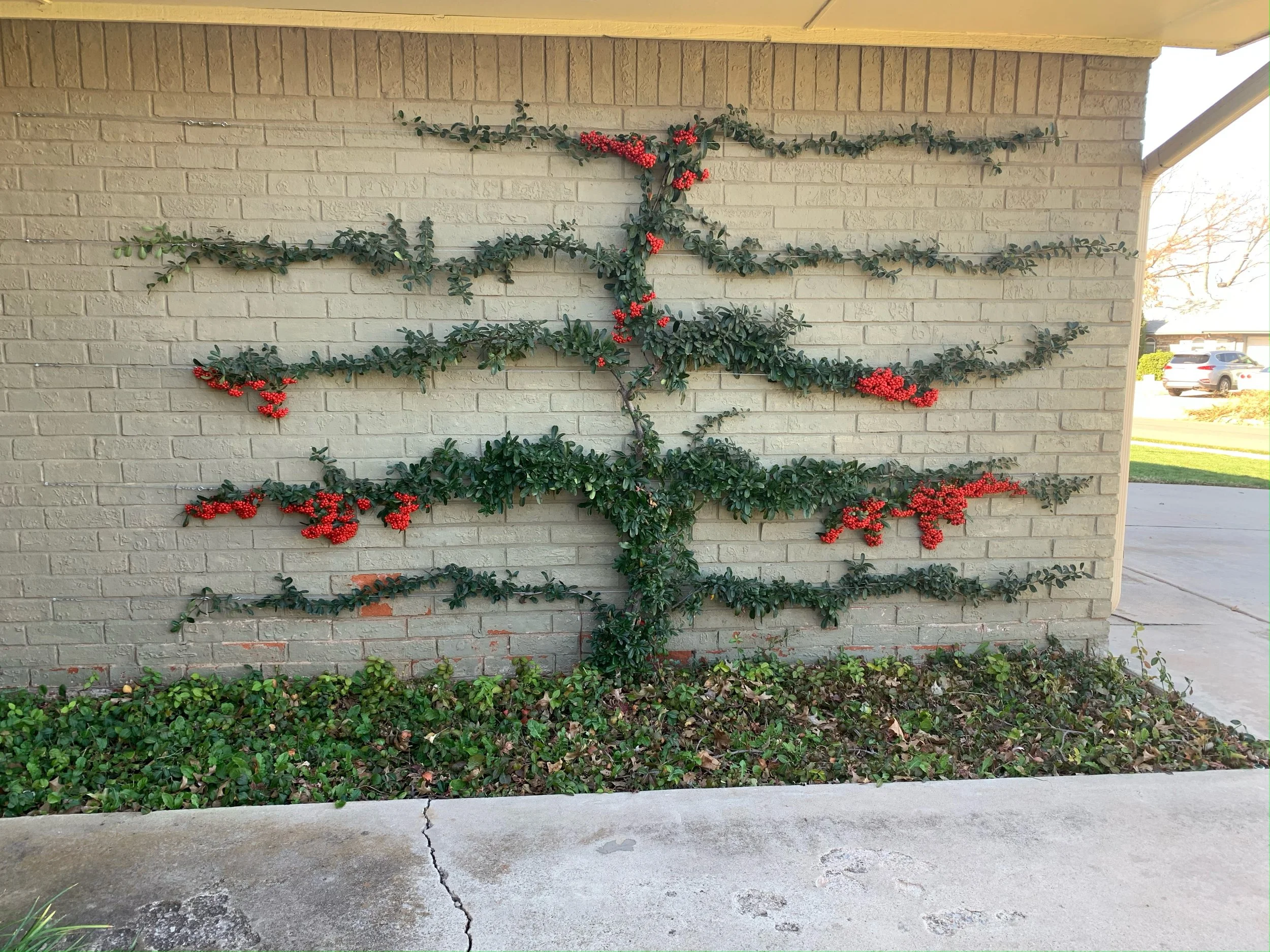
As Steve Dobbs, author of the book Oklahoma Gardener’s Guide put it:
“Trees are truly the pillars of our landscapes. Think of trees as an investment for future generations.”
Lorne Hall
Hall | Stewart Lawn + Landscape
(405)367-3873