
September Lawn & Landscape Tips
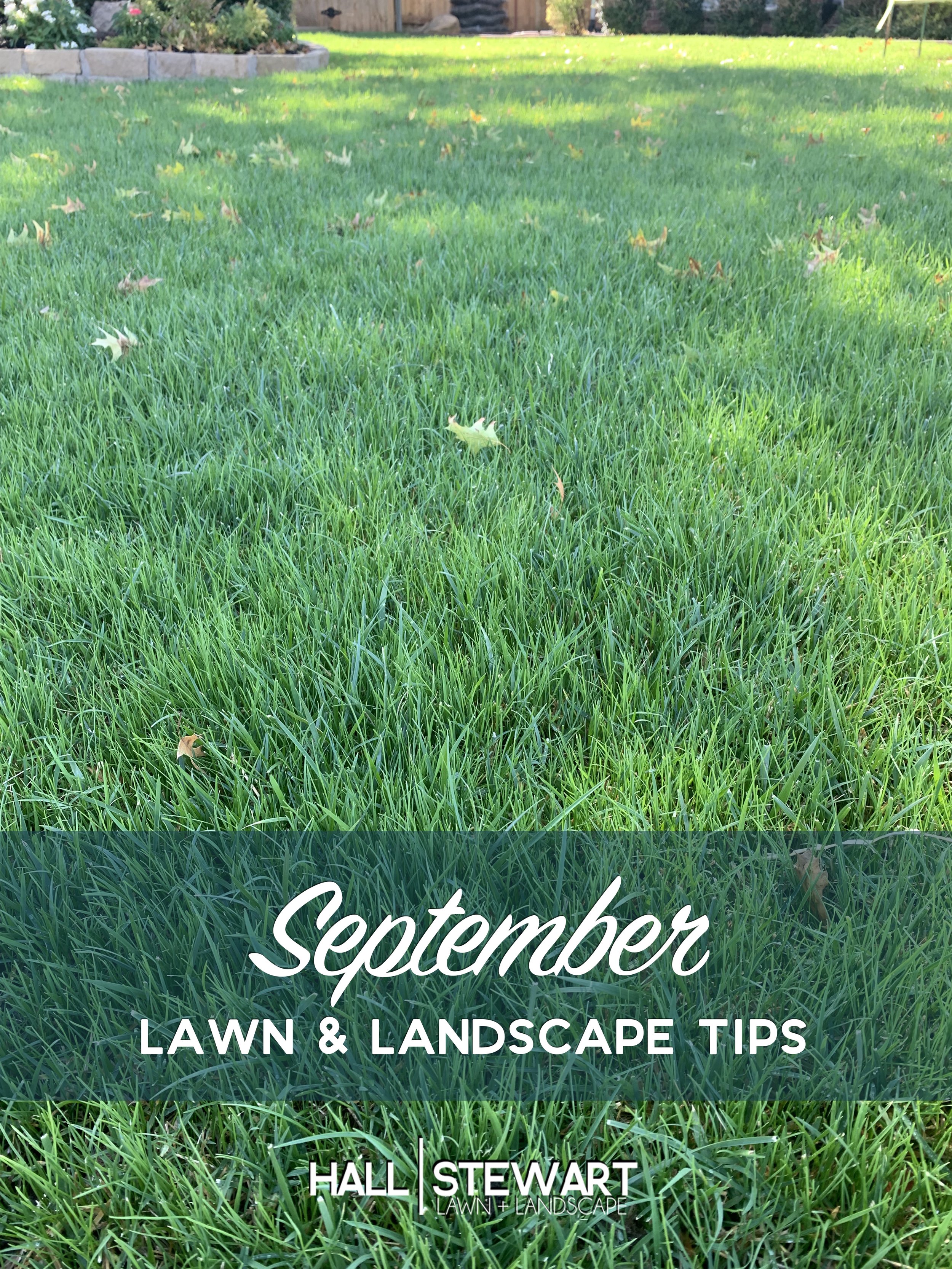
With the heat and drought of the Summer of ’26 still maintaining a strong hold on the Oklahoma City metro area, I am having a hard time believing that September arrives this Tuesday.
Even harder to believe is that September is the transition month from summer to fall! Fall still feels so far away.
We often talk about weather, environmental conditions, being one of the three legs of the stool when it comes to having a great lawn and landscape. The other two being mechanical issues (mowing, aerating, etc.) and applications (fertilizer, weed control, insect and disease control). This summer the environmental leg has been a struggle. The Summer of ’26 is going to be remembered as one of the Top 10 hottest as well as one of the driest. The cooler days of fall, and hopefully the return of moisture, can’t arrive soon enough.
As summer begins to fade in the next couple of weeks, it is time to turn our focus toward the lawn and landscape activities of fall.
September lawn and landscape activities will make a big difference in the success of your landscape not only this fall, but also next spring.
For your lawn and landscape, it is important to finish the year strong and get a head start on next year by checking off these lawn and landscape activities during September:
Overseed
If you have a cool season lawn (fescue), September through October is the time to add more seed (overseed). Fall is by far the most successful time to establish cool season turf. Fescue seeded this fall will have stronger roots next summer when the heat returns.
If you have not already, inspect your fescue in the next few days. If there are thin areas due to dense shade, brown patch damage, or areas damaged by a lack of moisture during the heat, plan on overseeding this fall.
Also, look for areas of the lawn that have become too shady for bermuda. Bermuda needs at least 6 hours of direct sunlight for the best performance. The key words are “direct sunlight.” Dappled sunlight is not “direct sunlight.” Anything less than 6 hours of full sunlight and bermuda will begin to thin.
Sooner or later, you will have to introduce fescue in your lawn if you have trees. Success is easier if you start the process before the bermuda has completely faded.
Fescue is also a good choice for the narrow side areas of houses where the turf only receives a few hours of direct sun each day.
What are the keys to successful seeding? Good seed soil contact, a quality fescue blend, and keeping the seeded area tacky moist until the seed germinates.
Need help evaluating shady areas of your lawn, schedule a lawn evaluation by responding to this email or call (405)367-3873.

If you are overseeding with fescue this fall, even water distribution is a critical step to success. If you have dry areas in your irrigation system, make repairs before seeding.
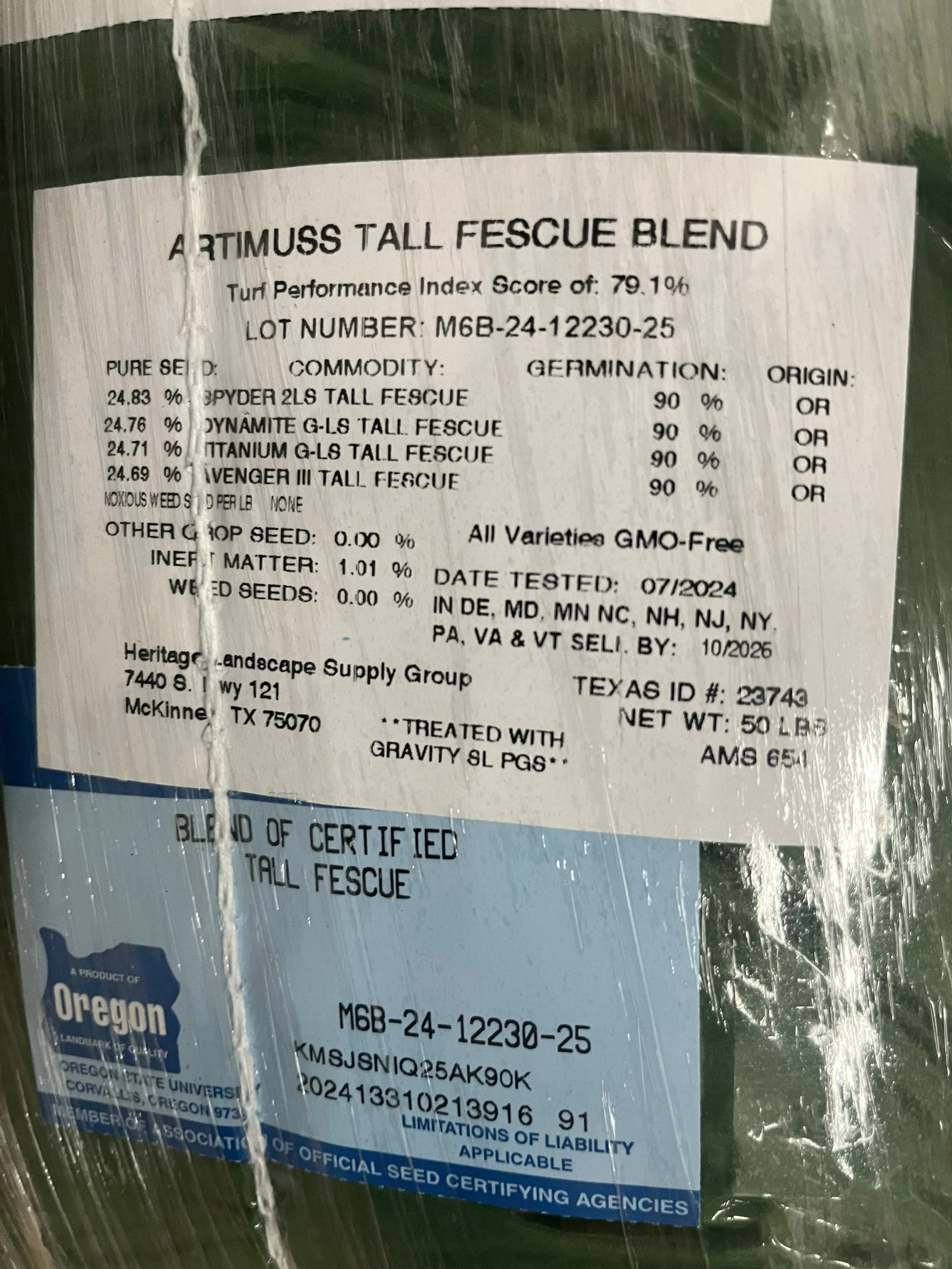
One of the keys to successfully seeding shady areas is a quality seed. We believe in using a fescue blend containing varieties that have a history of performing well in Oklahoma.
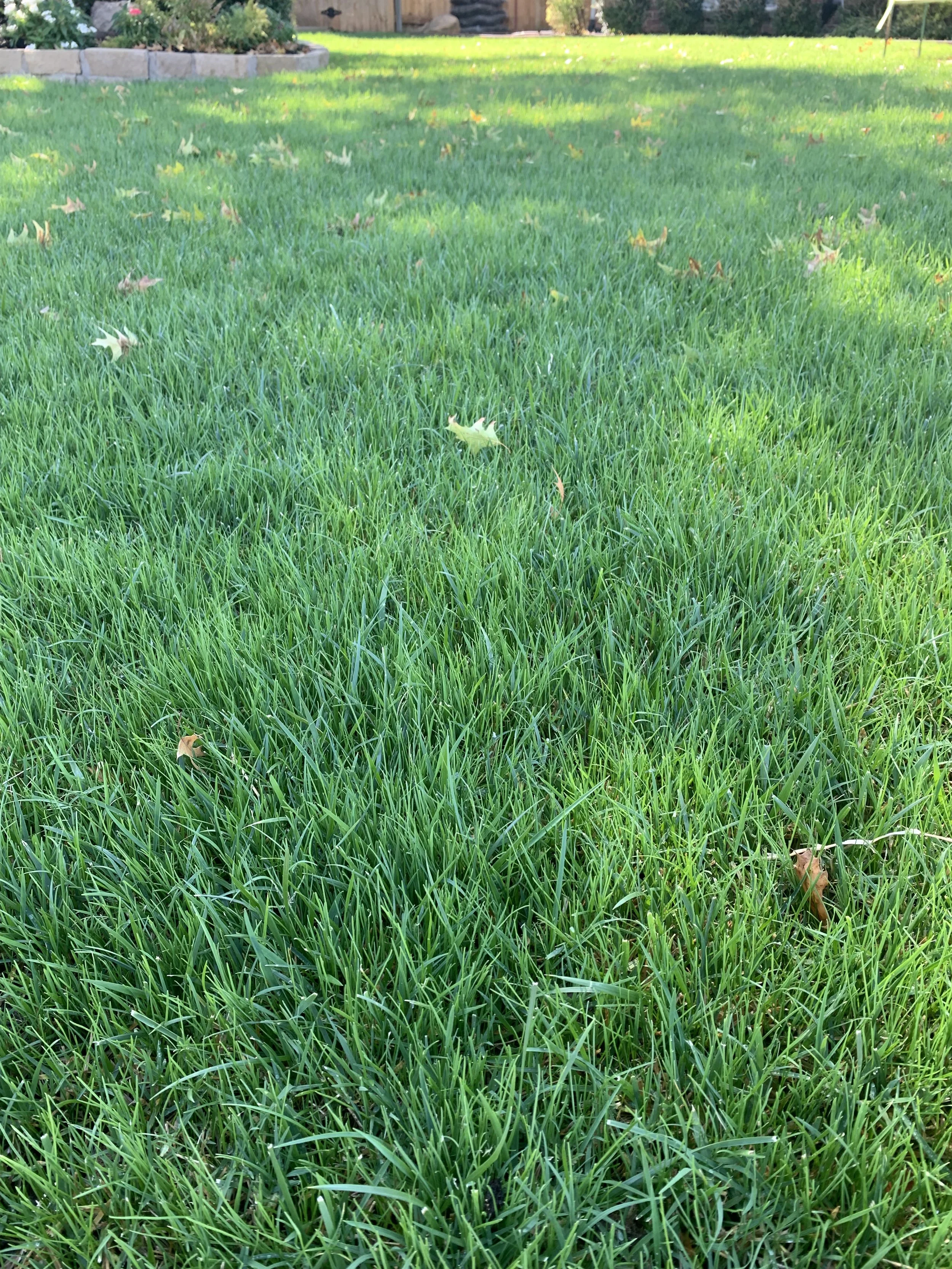
Fescue in late September last year after being overseeded in early September.
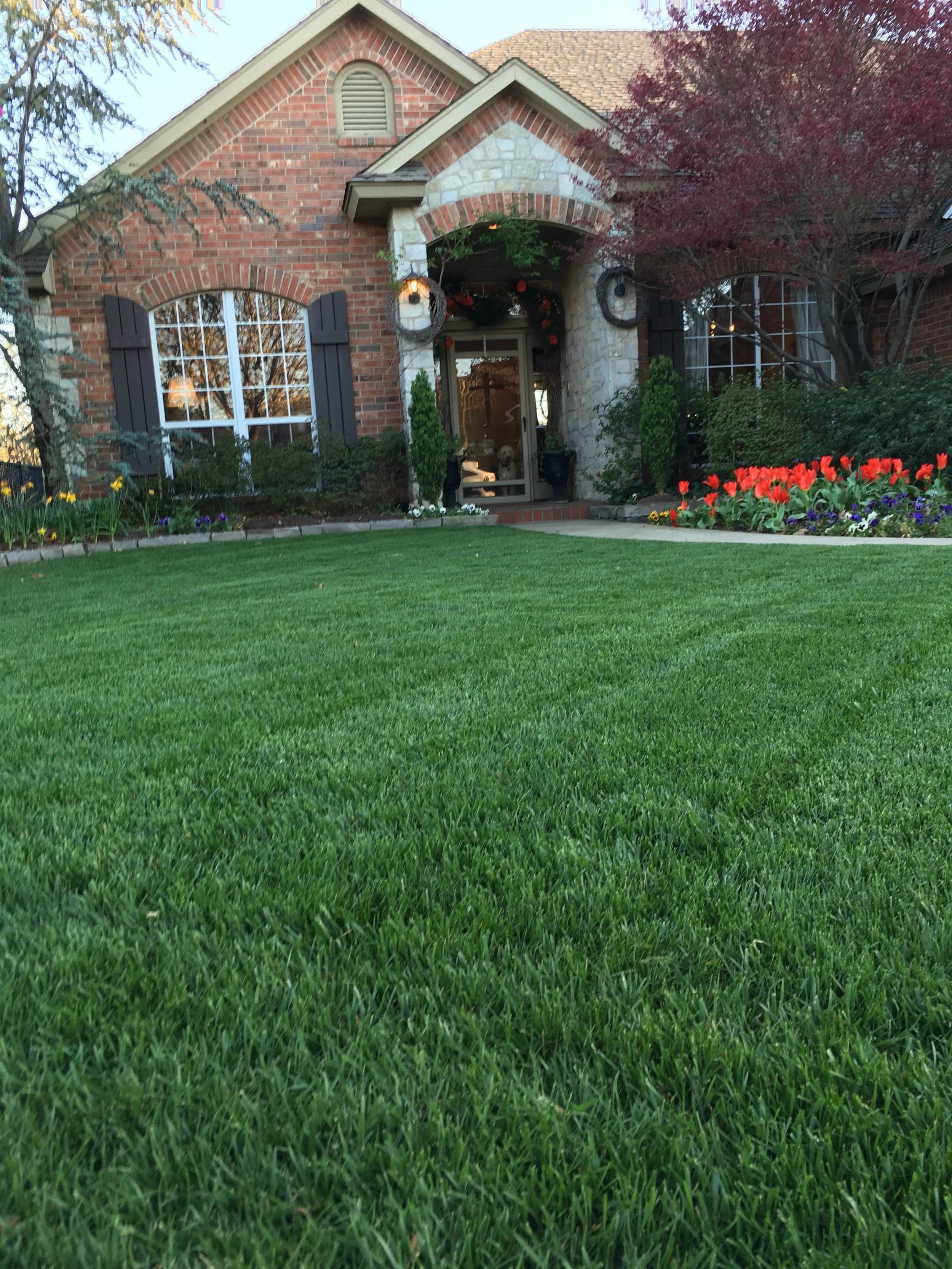
Fall seeded fescue lawns result in the best cool season lawns next spring.

Overseeded fescue 14-21 days after seeding.

Fall is the best time to seed shady areas of your lawn with fescue.
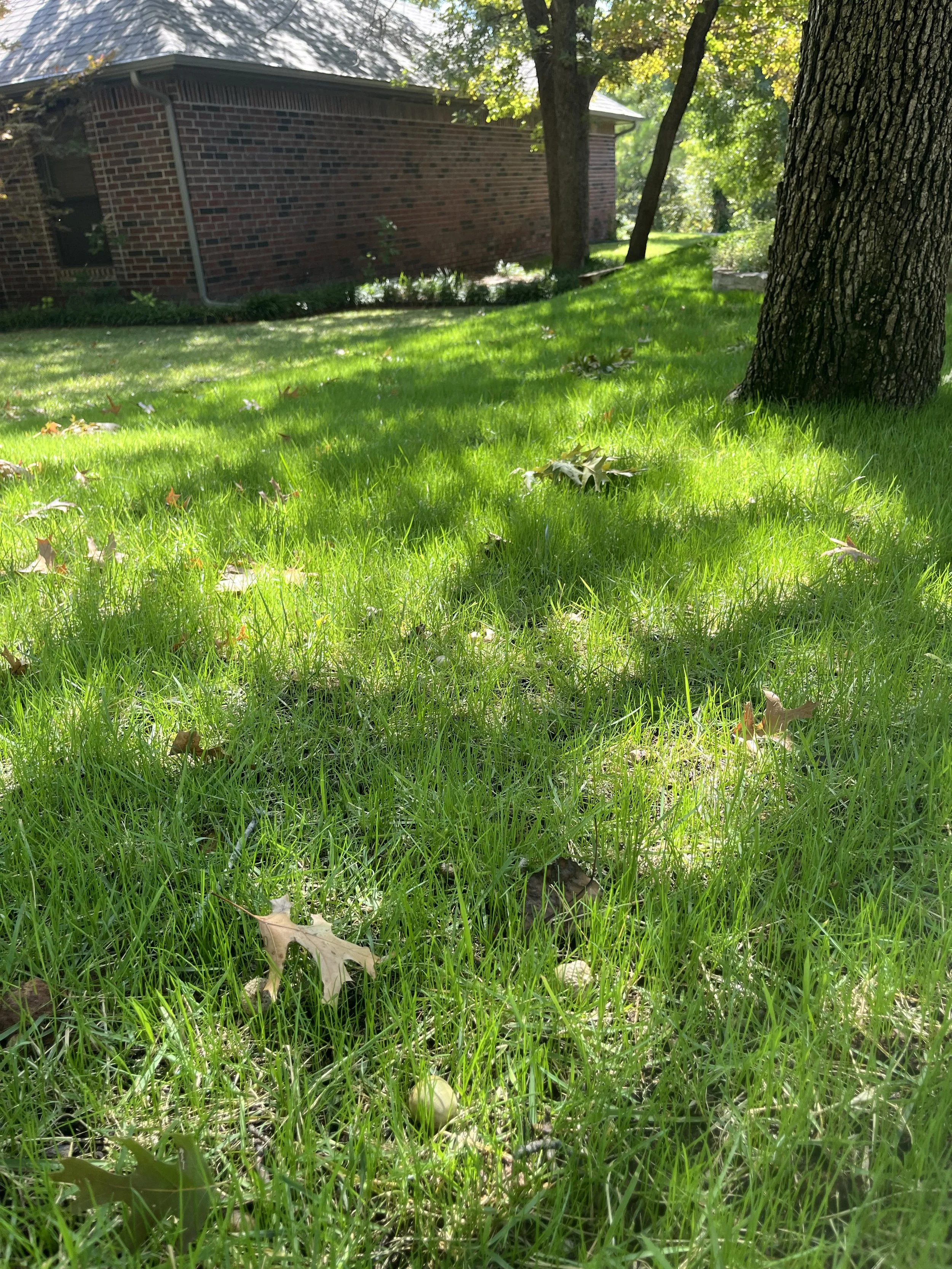
Newly seeded fescue two weeks after seeding.

If your fescue has areas that did not handle the heat and drought well this summer, September and October is the best time to overseed fescue.
Fall Pre-emergent & Post-Emergent
Winter annual weeds germinate as temperatures cool. Poa annua, annual bluegrass, is the first to germinate, followed by henbit and chickweed. These are the weeds that will keep you from having a clean landscape next January through April. When you skip the fall pre-emergent applications, you will be forced to use harsher products next spring to clean up the turf when you should be focused on developing a lush green turf. For the best results, a fall pre-emergent should be applied to your lawn before the end of September. Also, many bi-annual weeds, such as dandelions, are easier to control in the fall.
Note: DO NOT use pre-emergent herbicides now in areas that are going to be seeded this fall.
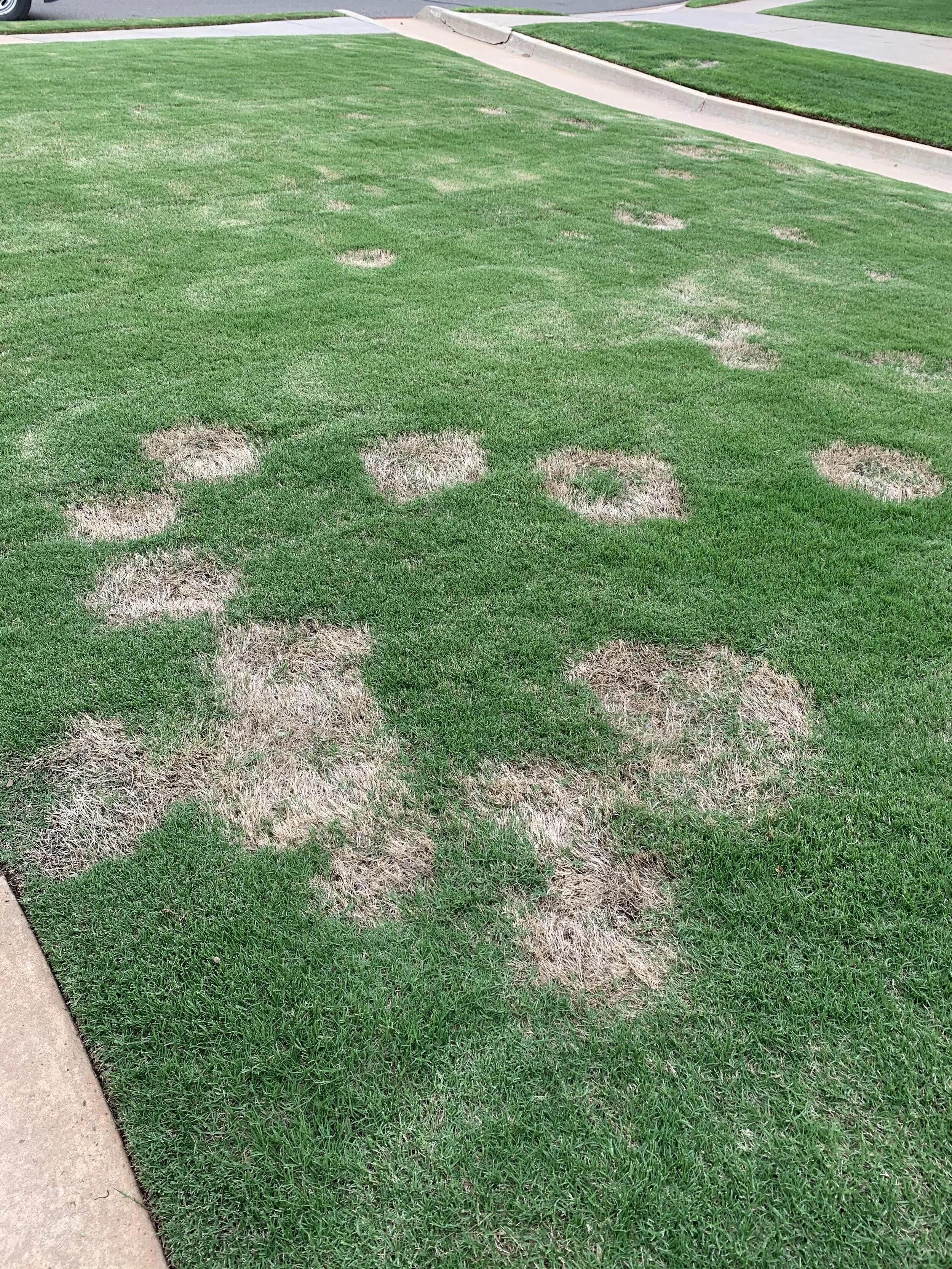
The use of nitrogen fertilizer after September 15th, often in an attempt to keep Bermuda green longer in the fall, will enhance spring dead spot disease next year.
Lawn Fertilizer
When you fertilize and what you put on your warm season (bermuda and zoysia) lawns in September is critical to the health of your lawn. High nitrogen fertilizer should not be applied to warm season turf after mid-September. Applications of high nitrogen fertilizer 6 weeks before winter dormancy reduces winter hardiness and promotes spring dead spot disease. Typically, winter dormancy for bermuda in central Oklahoma begins in early November. Potassium is important for cold tolerance and disease control, but because potassium stays in the soil longer, a soil test is recommended before applying high amounts of potassium.
During September and October, we adjust the fertilizer to match weather forecast and soil conditions to insure bermuda lawns have strong root systems, are winter hardy and are positioned to start next year strong.
Fall is the best time to apply higher nitrogen fertilizer to fescue lawns. Plan on getting the first fall feeding on fescue this month. Because fescue is a cool season grass, it benefits from more nitrogen in the fall. Even if you will be overseeding your fescue this fall, it is important to get fertilizer on the existing fescue this month.
Mowing
Continue to mow often enough that you are removing no more than 1/3 of the blade of grass with each cutting. For warm season turf, maintain the height at or near 2 – 2 1/2” going into the fall. Avoid cutting short or scalping warm season lawns at this time. Anytime you cut below the leaf space and into the stems of the plant, you are causing stress. The plant will use nutrients stored in the root system to generate new leaves. At this time of the season, you don’t want to cause any stress that would require the lawn to use nutrients stored for the winter.
For cool season, it is best to cut the lawn shorter before seeding. This will increase seed to soil contact. After the new seed starts growing, gradually increase mowing height to 3”.
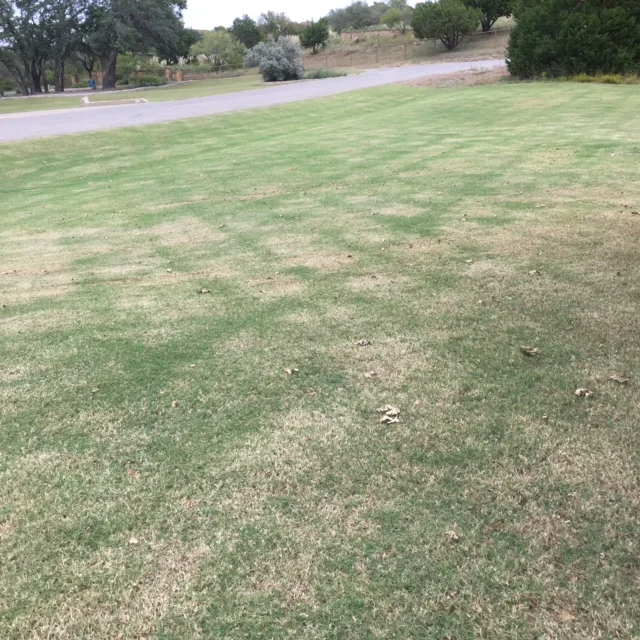
When you cut below the leaf blade into the stem your Bermuda lawn will have a scalped, brown appearance.

When you don’t mow your Bermuda too low in the fall, it will develop a stronger root system for the winter months.
Watering
As long as 90-100 degree days are in the forecast, continue to make sure your lawn and landscape receives at least 1.5” of water per week.
As nights and days begin to cool and day length shortens, your landscape will need less water. Responsible watering is based on seasonal temperatures and moisture. Once temperatures cool and moisture returns to the environment, you can start reducing the number of days you water. It is always best to maintain deep soakings and reduce the frequency. At some point this month, it may be best to water every 4 days rather than on the odd/even plan.
Continue to water trees planted in the last 12-18 months more than you water your lawn through the fall. Supplemental watering is critical for new additions to the landscape. Place a water hose at the base of the tree with the water flowing at a slow trickle for a couple of hours once per week. The goal is to get 10 gallons of water to the roots every week.
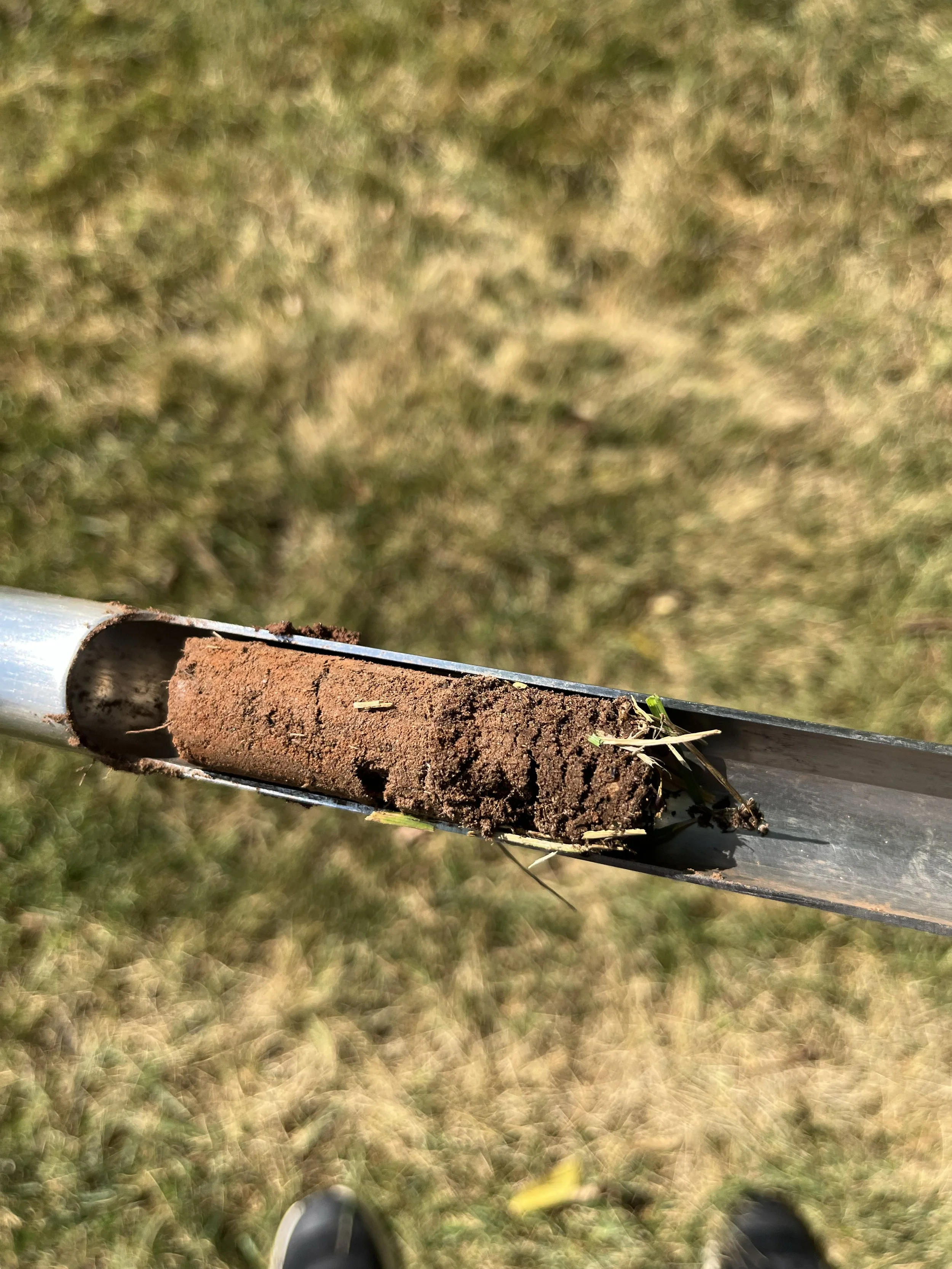
Maintain good soil moisture through September. The goal is to have moist soil 6-12” deep. If you have dry soil like the core in this picture you are allowing your lawn to go into the winter in a stressed condition.
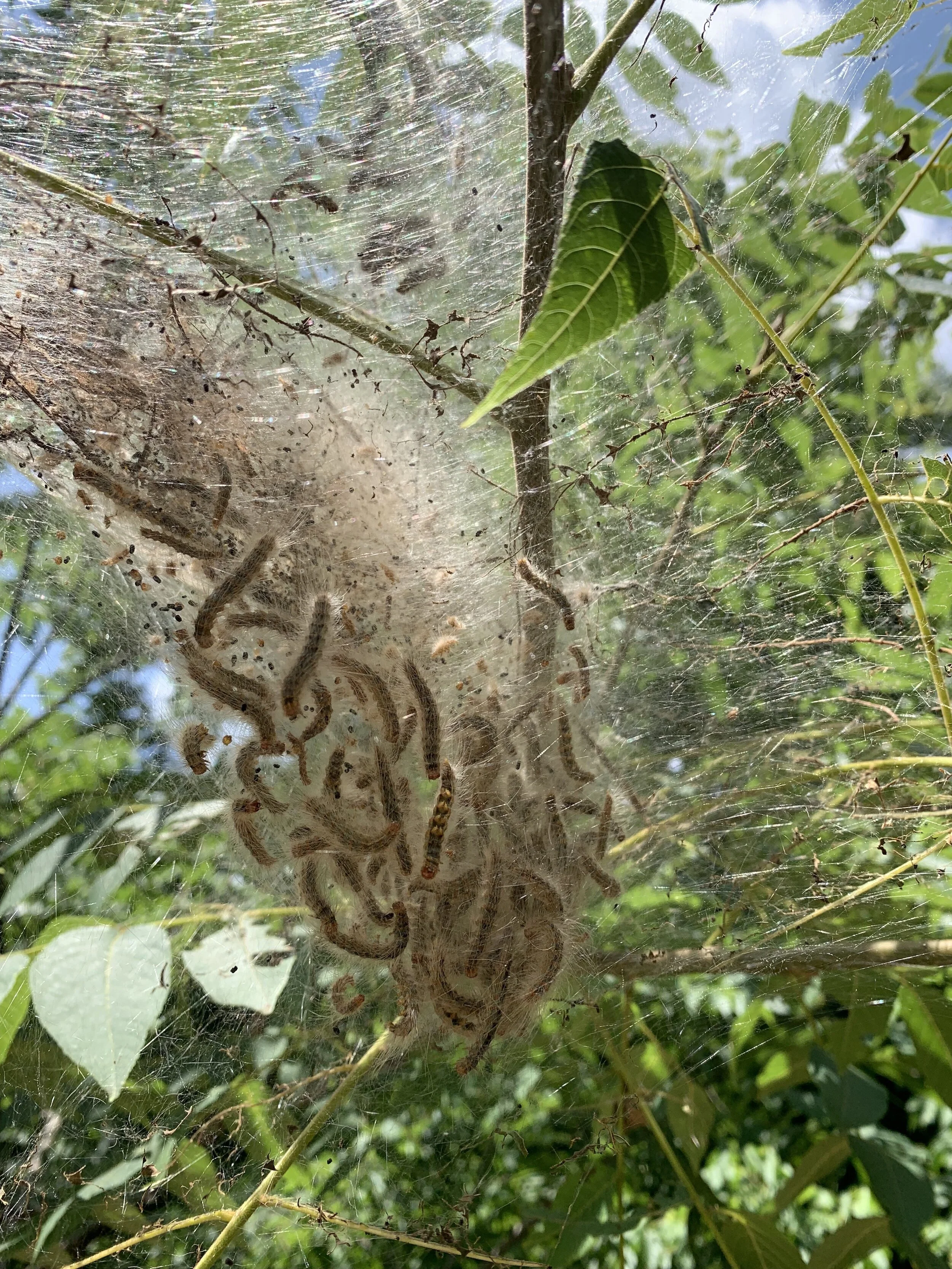
Fall webworm can cause damage. When possible, pruning out the infected area is the best method of control.
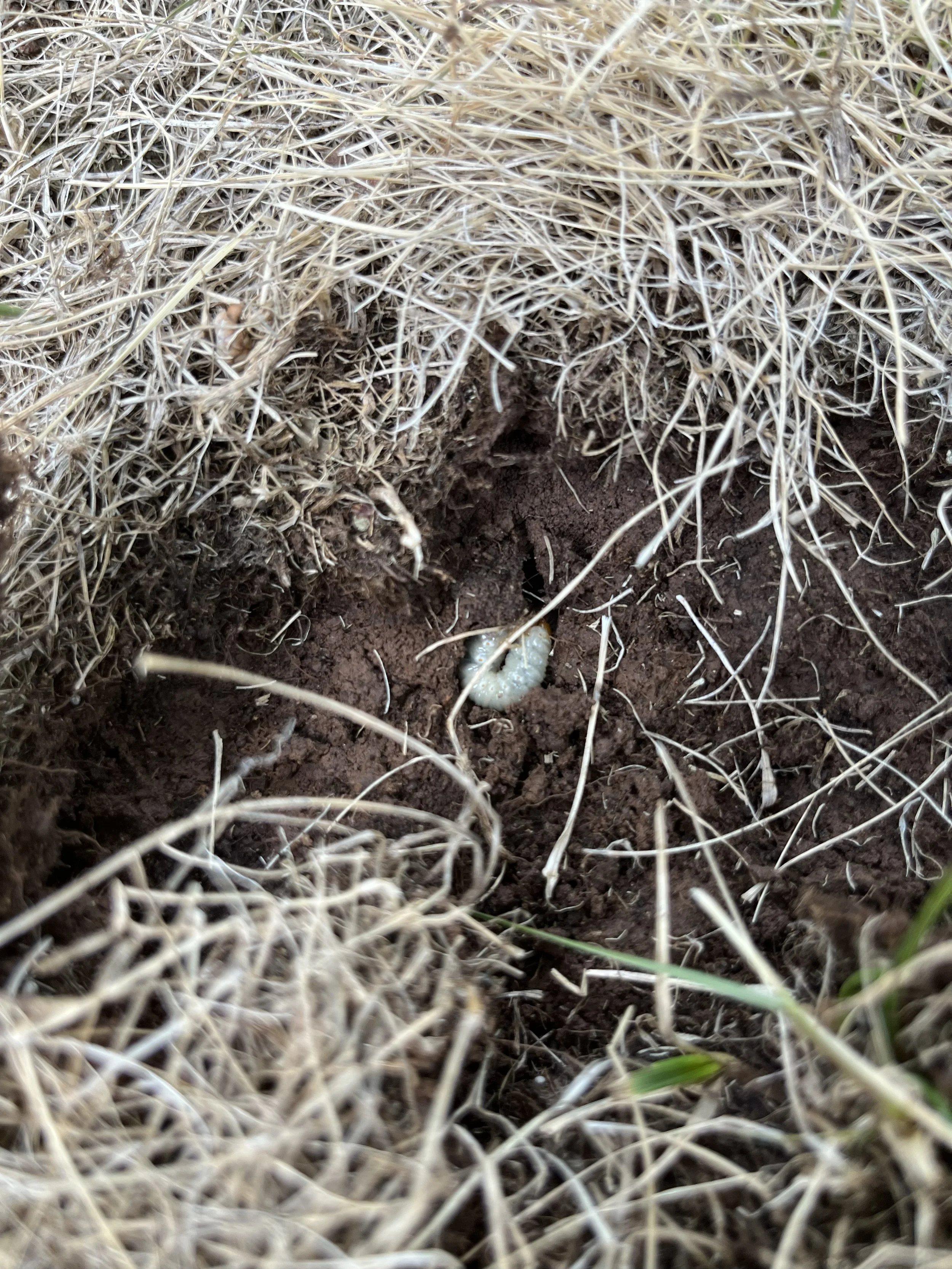
If you have turf areas that have turned brown it may not be lack of moisture. If the turf easily pulls up like a piece of sod, most likely the problem is grub worm damage.
Webworm
Watch for fall webworm in your trees. Webworms create webbing on the ends of tree branches as the worm devours the leaves. Webworms can have more than one generation per season. The earlier generations do not cause lasting damage. But, the last generation can result in branch die back. To treat with an insecticide, you must penetrate the webbing. The most effective approach of control is to monitor trees and prune out the web areas while they are small. Place webbing in a plastic bag and dispose of it immediately. If you leave the branches on the ground, you will be amazed at how quickly the worms will be back in the tree.
Grub worm
Grubs are a white, C-shaped insect with a chestnut-colored head and 3 pairs of legs. They feed on grass roots of all types of turf resulting in yellowing, wilting turf, dead patches, and when left unchecked they will destroy the grass roots to the point that your lawn can be rolled like it is a piece of carpet.
Early indications of grub damage may include patchy areas of wilting, discolored or stressed turf resembling drought stress. As the grubs continue to destroy roots, the patches expand outward into irregular shaped patches of dying turf. Often grubs will start out centralized in an area but will spread through an entire lawn when left untreated. An indication you have white grubs (often before you have any idea you have a grub problem) is damage caused by armadillos, skunks, possums, and raccoons foraging for grubs.
August through September grubs are in the first stage of their life cycle. They are small and feeding near the soil surface, growing rapidly, and can do a lot of damage.
If you have discolored, stressed turf that easily pulls up as if it was a fresh laid piece of sod, or you are experiencing turf damage from an armadillo, skunk, possum or raccoon, it is important to apply a curative Grub Control Treatment as soon as possible.
Think your lawn has a grub problem? Give us a call, (405)367-3873!
Fall Color
As the hottest part of the summer transitions to more moderate conditions summer color that survived the summer will gain vibrancy in September before it begins to fade later in the month.
If you haven’t already, create a summer landscape journal. Grab a few minutes and take pictures of your landscape while the color is still strong. Jot down a few notes about plants that did well, plants you liked, plants that were just so-so, and list a few you would like to add to your landscape next year.
Next spring you will be glad to have the information when you make summer landscape plans. Too often we get excited about a plant that looks great in May only to have it disappoint when the heat is on in July and August.
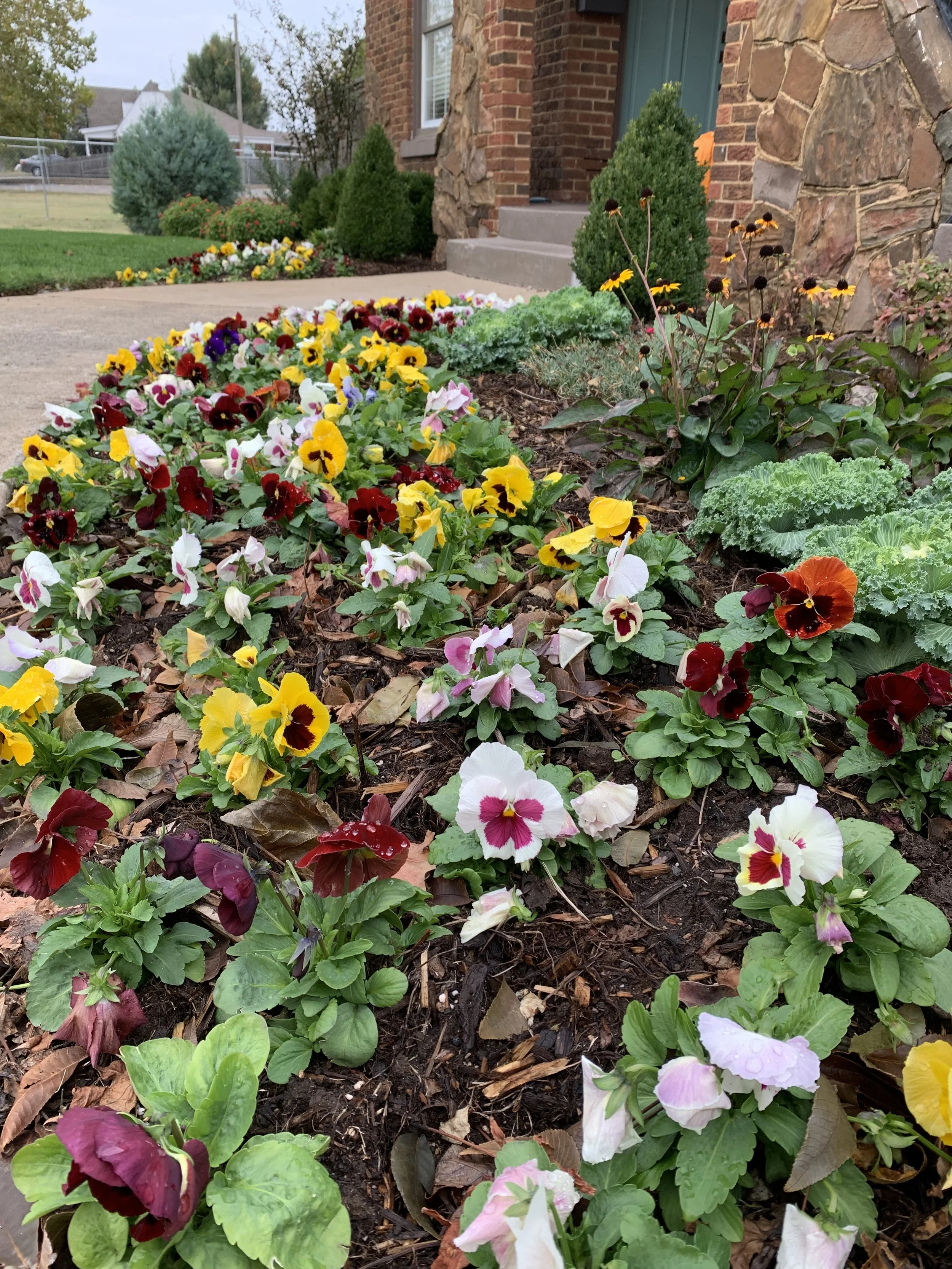
Toward the end of the month or early October you will want to replace your summer annuals with cool season annuals. Pansies, mums, and kale are the dominate players. Use more pansies than mums and kale since pansies typically overwinter and flourish the following spring.
The Colors of September

Start making plans to replace your summer color with cold hardy annuals, such as pansies, later this month or early next month.
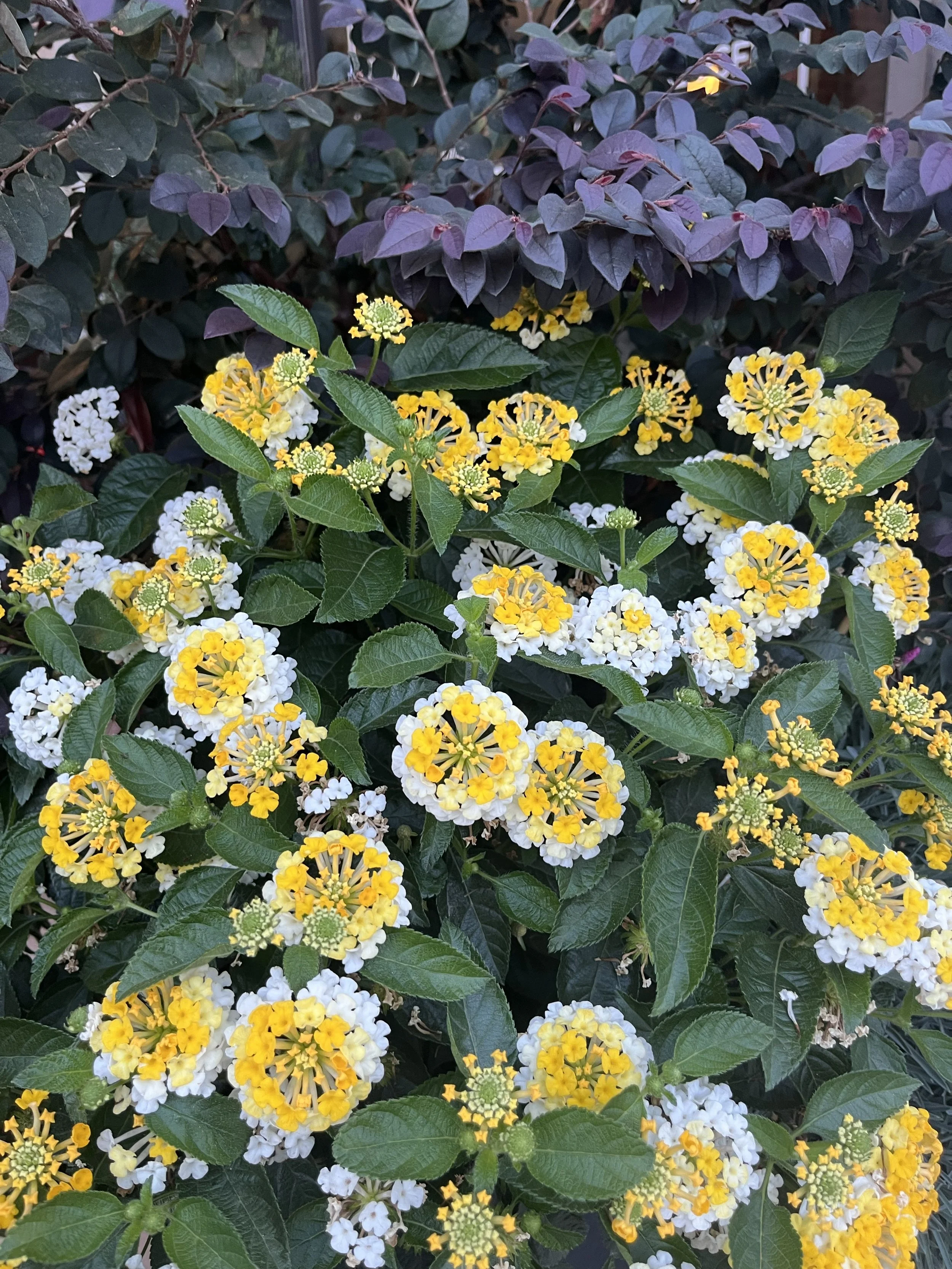
Another great summer color performer this summer was lantana.

Hamelin Grass loads up with plums during September.
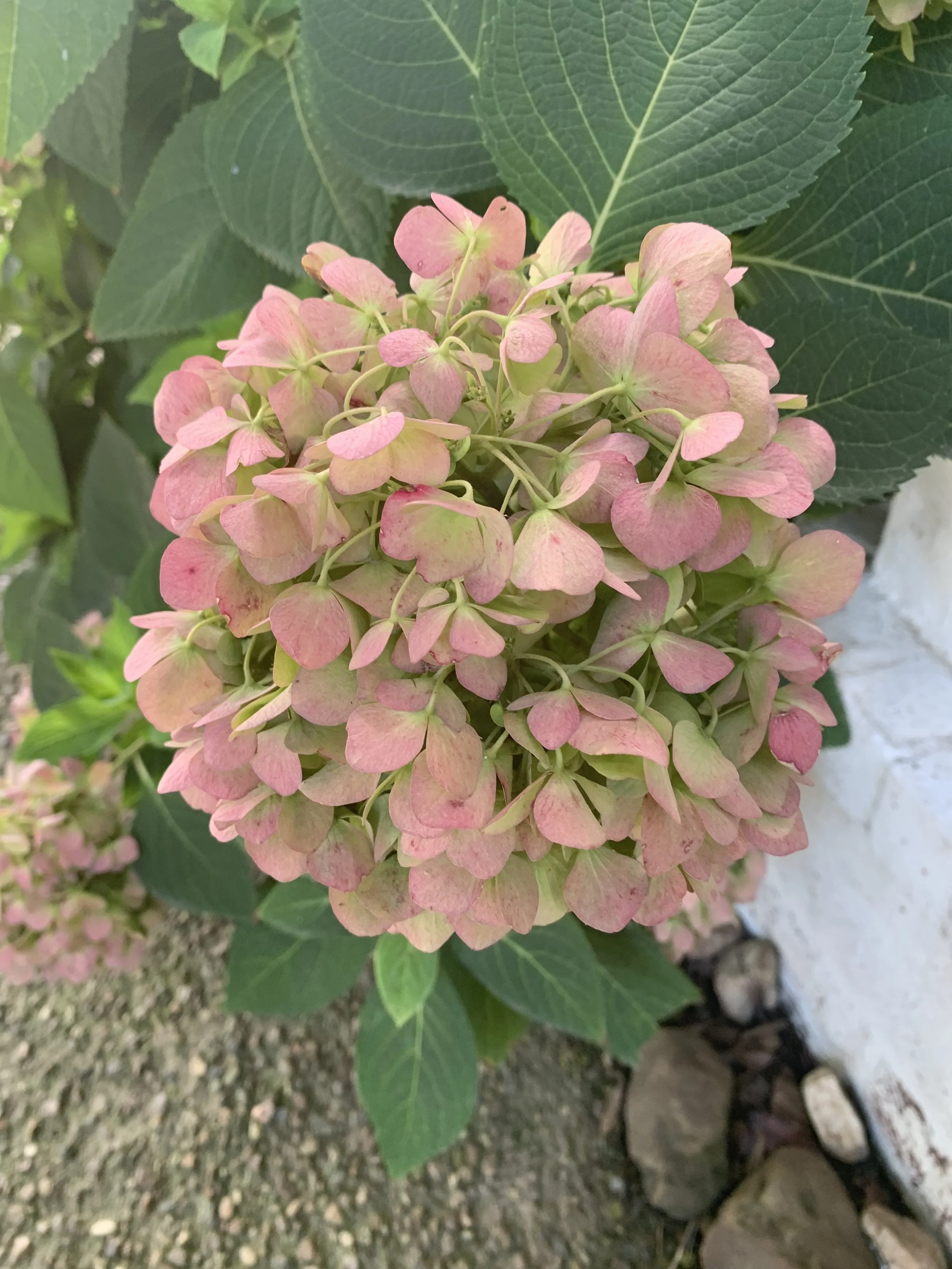
If you resisted the urge to prune what appeared spent blooms on your hydrangeas earlier in August, now you are getting to enjoy rosy pink shades late in the summer.
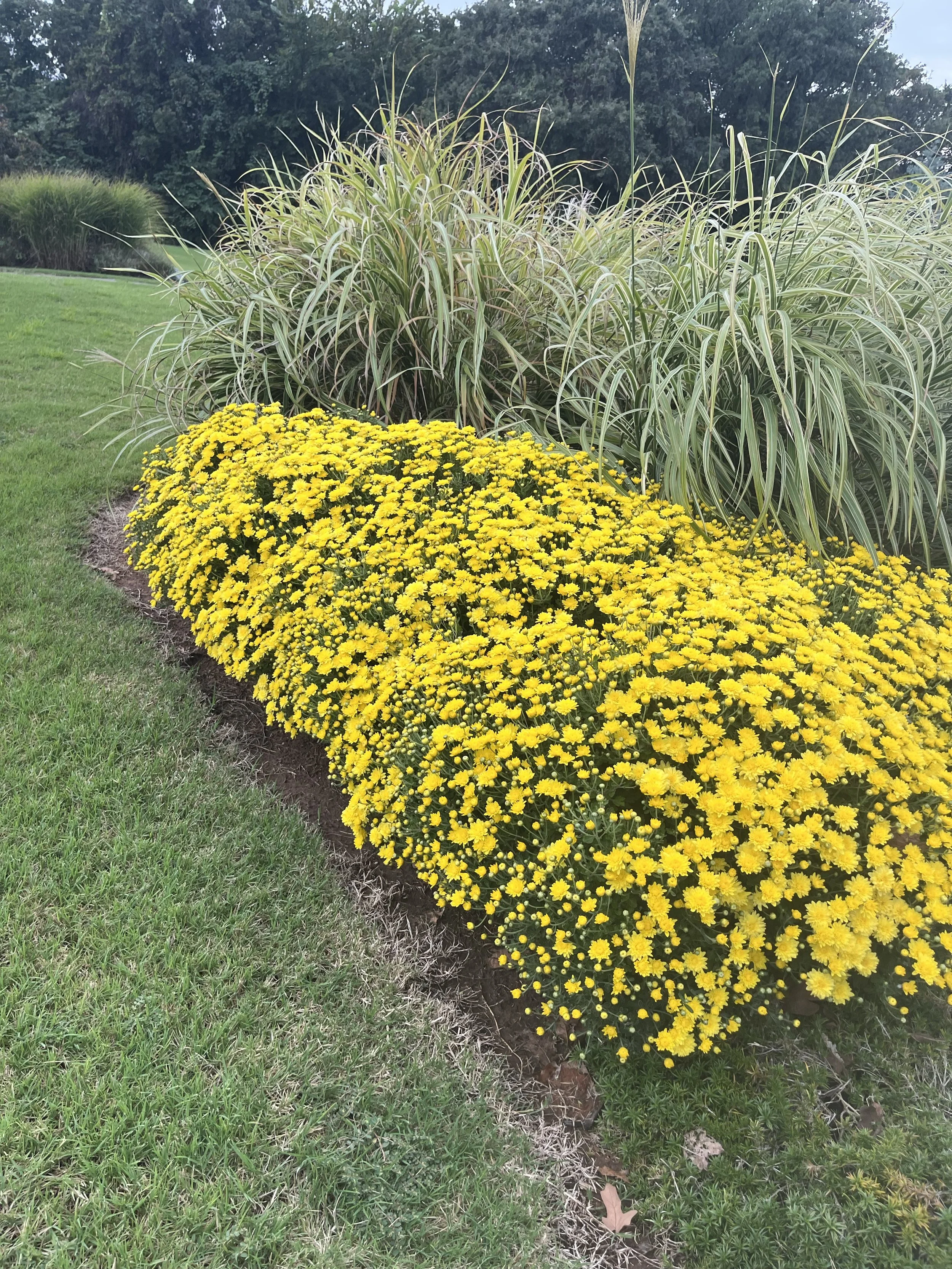
Before the end of September perennial mums in the landscape will announce the arrival of fall.

Crape Myrtle, our longest blooming plant, will continue to put on a show through September.
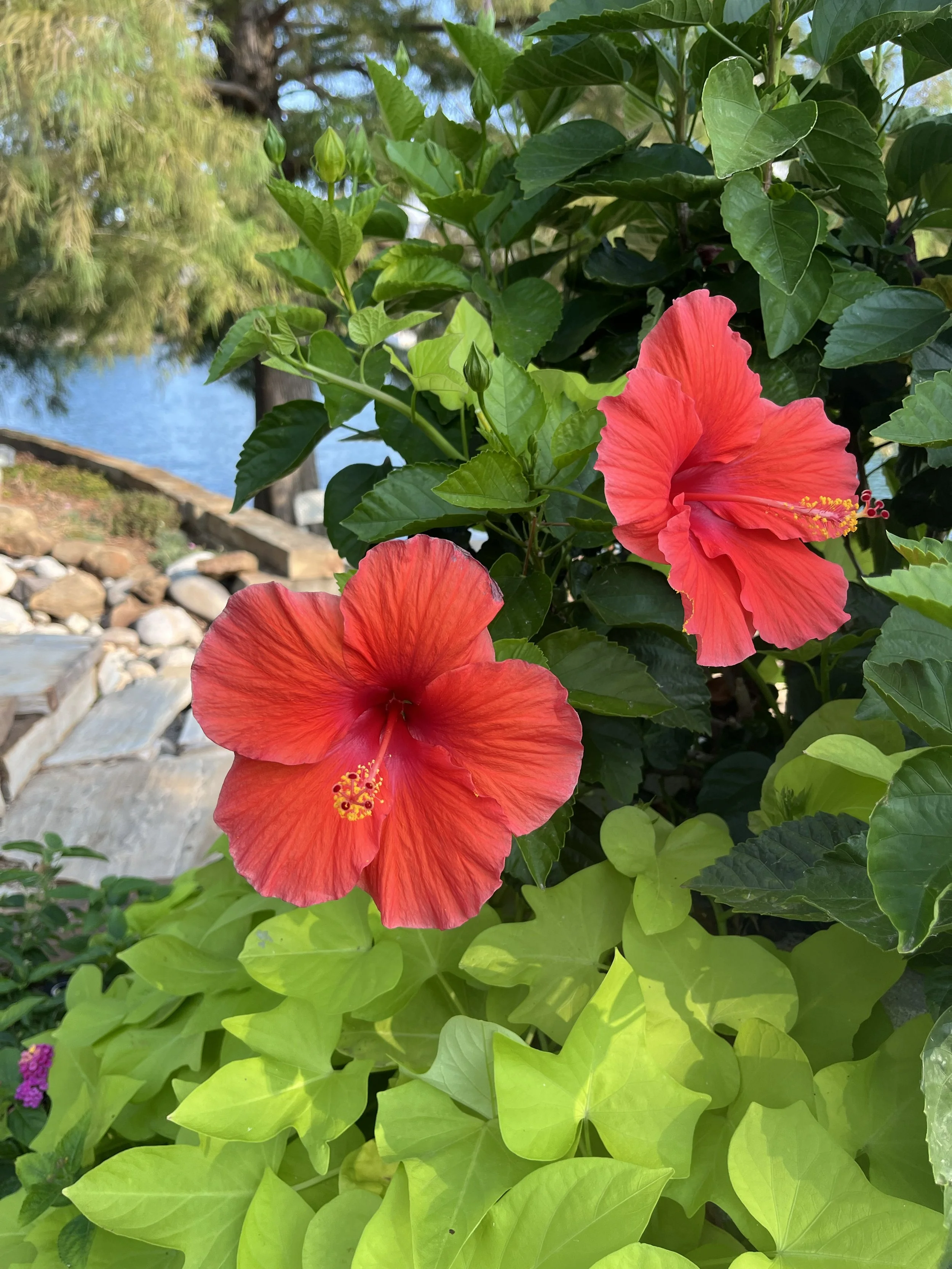
For as long as the weather stays warm, tropical hibiscus will continue to produce big bright blooms.
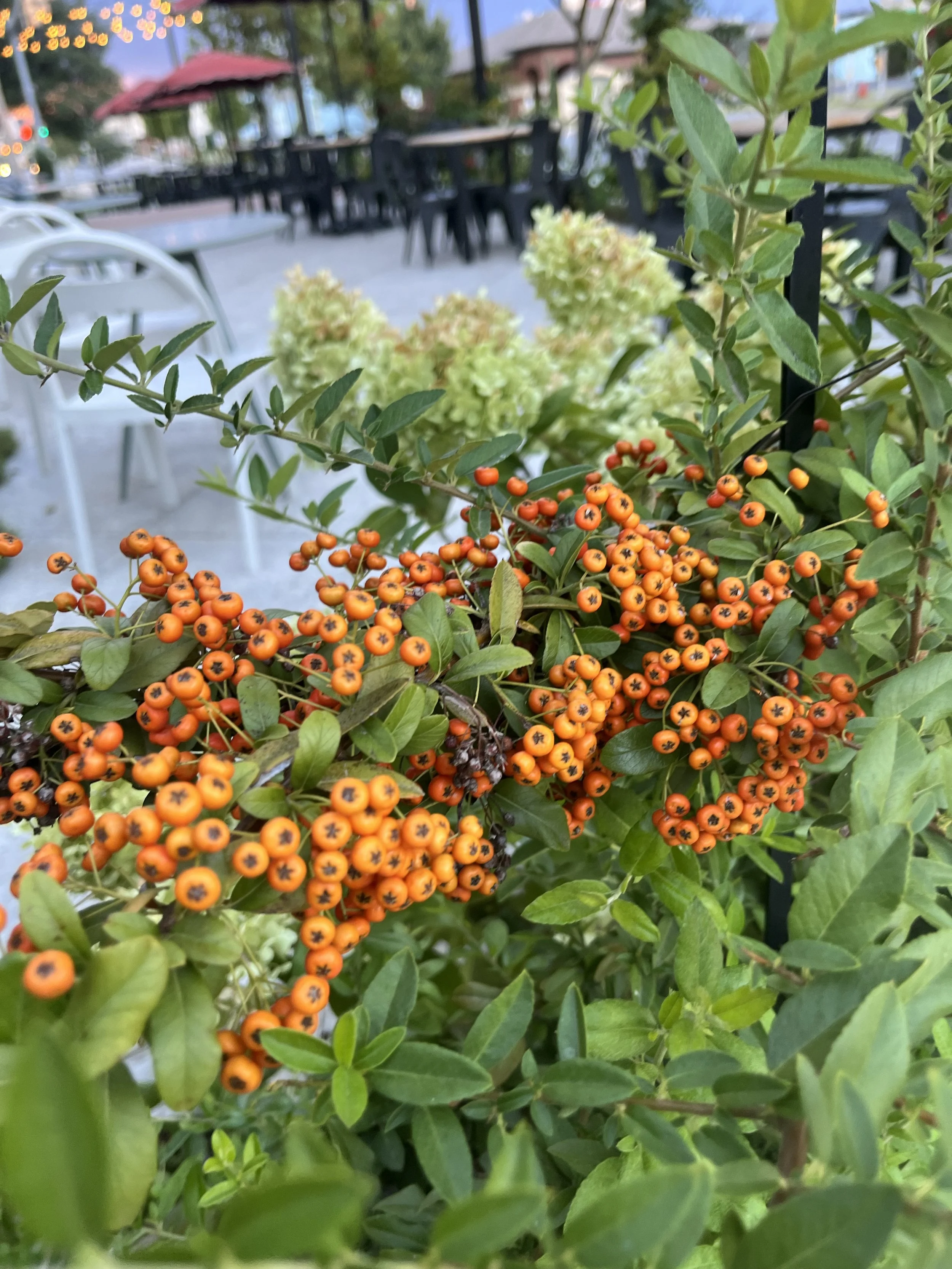
A favorite splash of color every September is the orange to red berries of pyracantha.

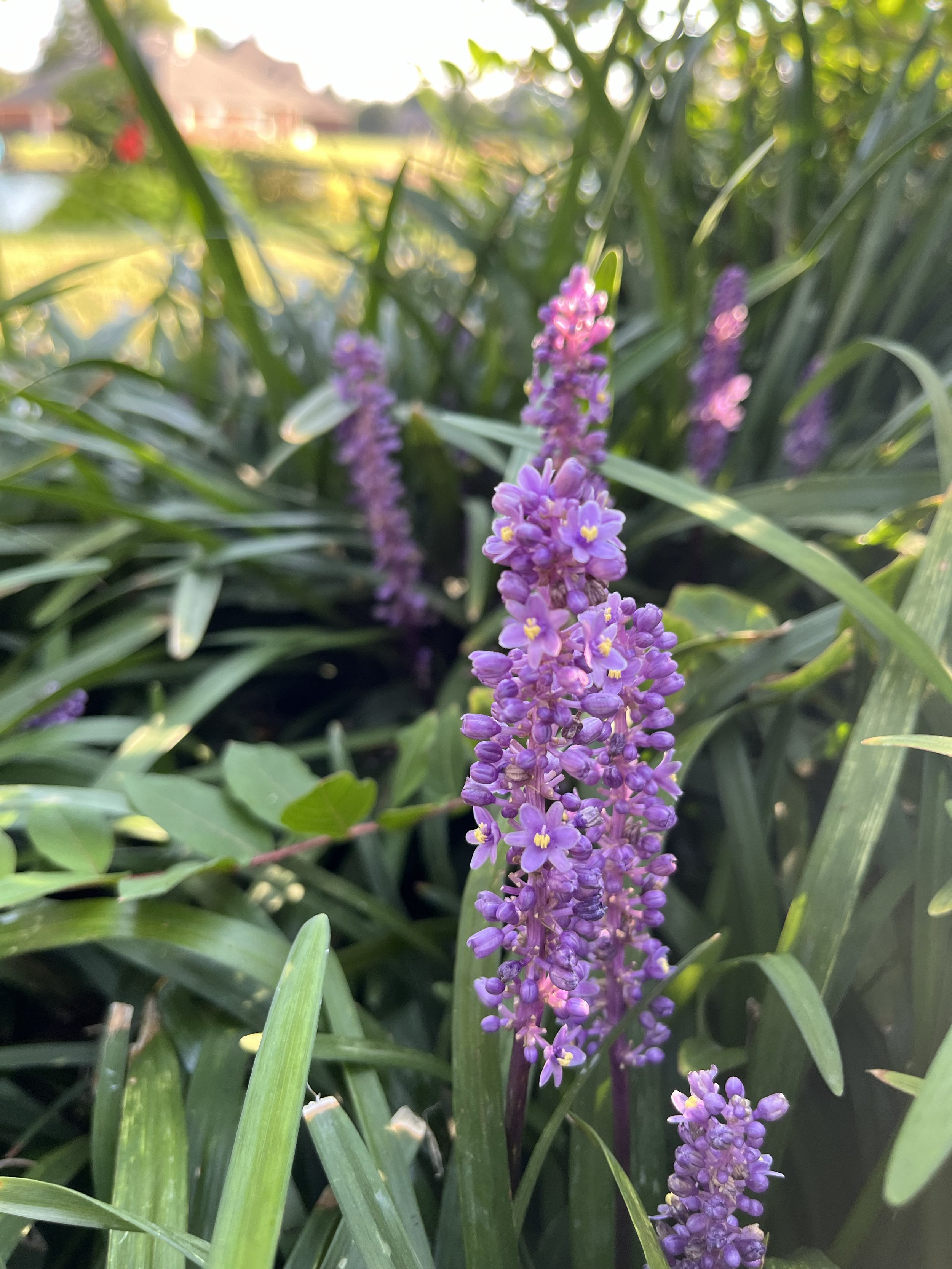
Liriope one of the easiest ground covers to grow puts on blue to purple flowers spikes in late summer.

A great late summer addition to the landscape are many of the warm season ornamental grasses.
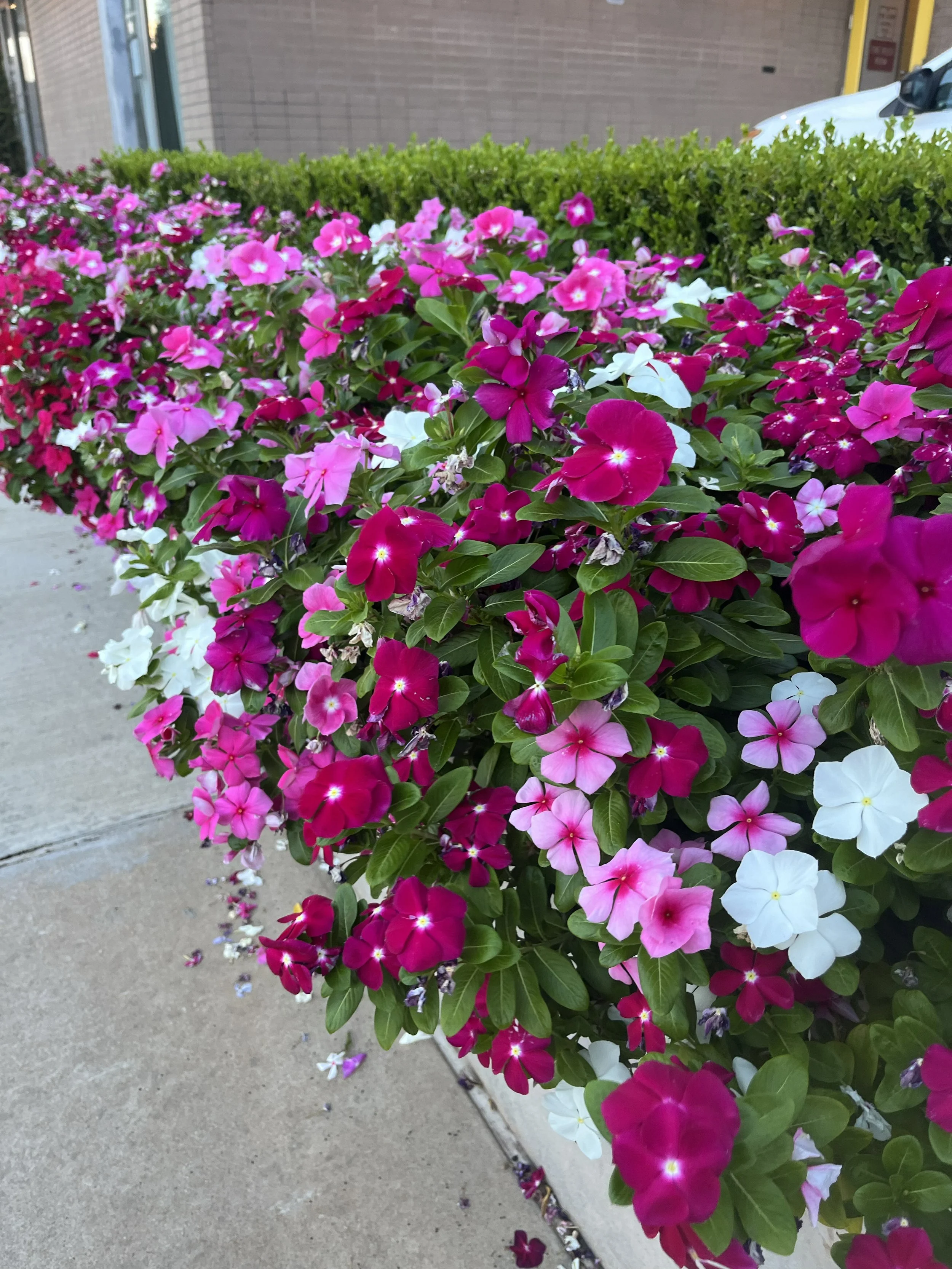
One of the best summer seasonal color performances through this summer’s heat was periwinkle.

Summer loving lantana will continue to bloom through September.

Abelia is often graces the late summer with white flowers.
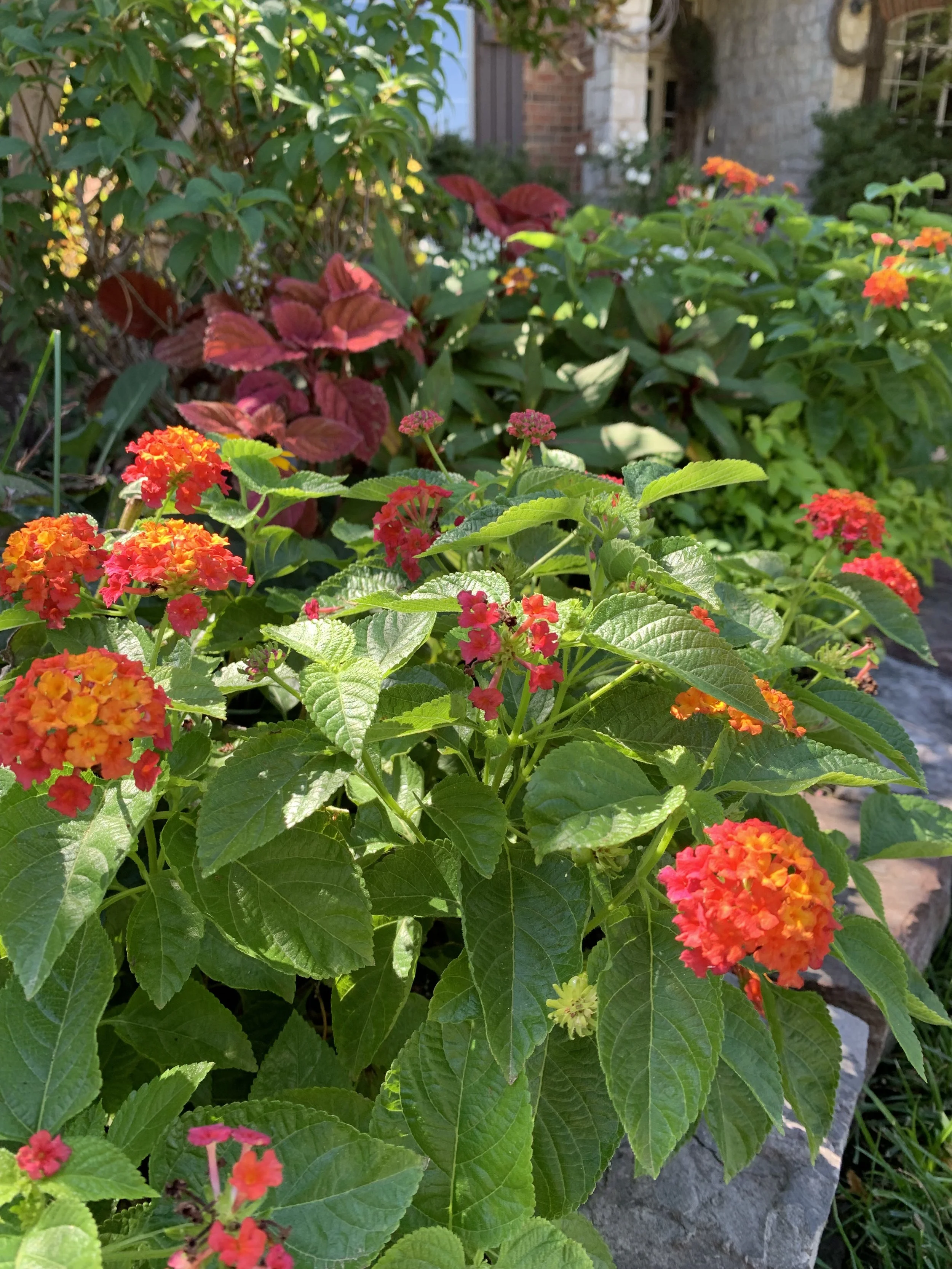
If you haven’t taken pictures and made notes of your best summer color this year, do so in the next couple of weeks.
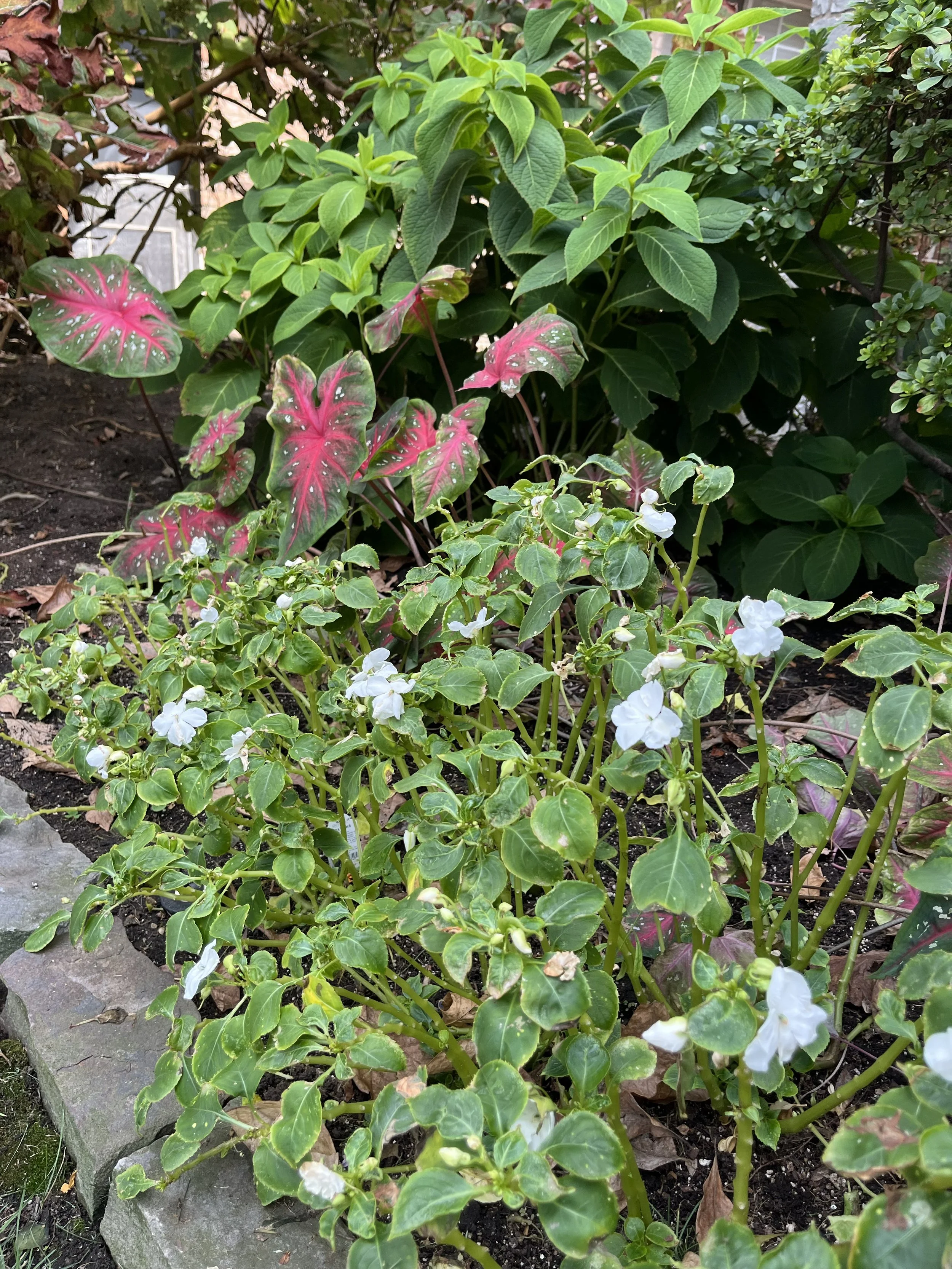
Just how brutal has the heat been this summer? For years I have planted the same seasonal color: impatiens and caladiums. It has always been spectacular, until this year.
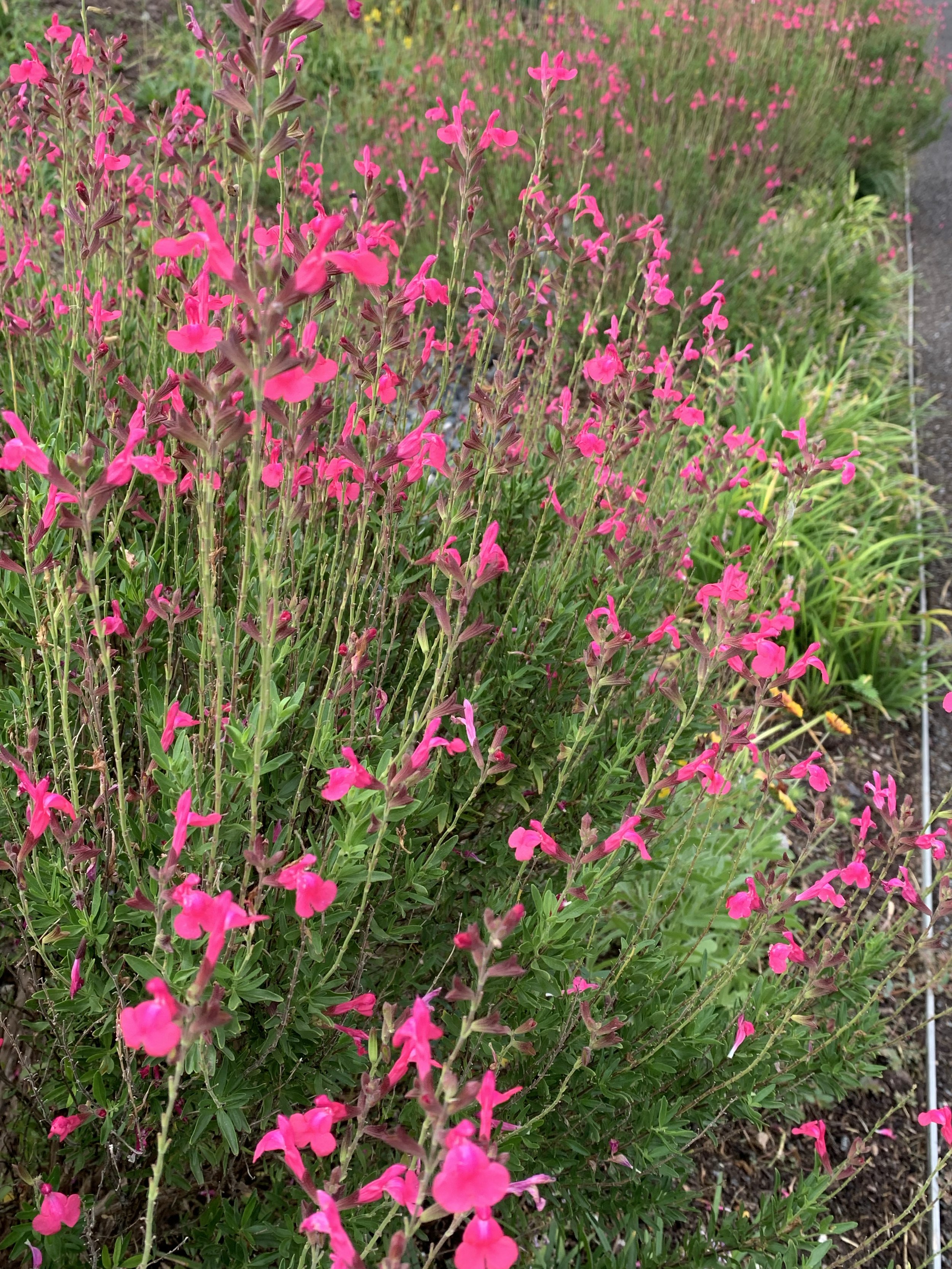
A fun September blooming perennial is Autumn Sage
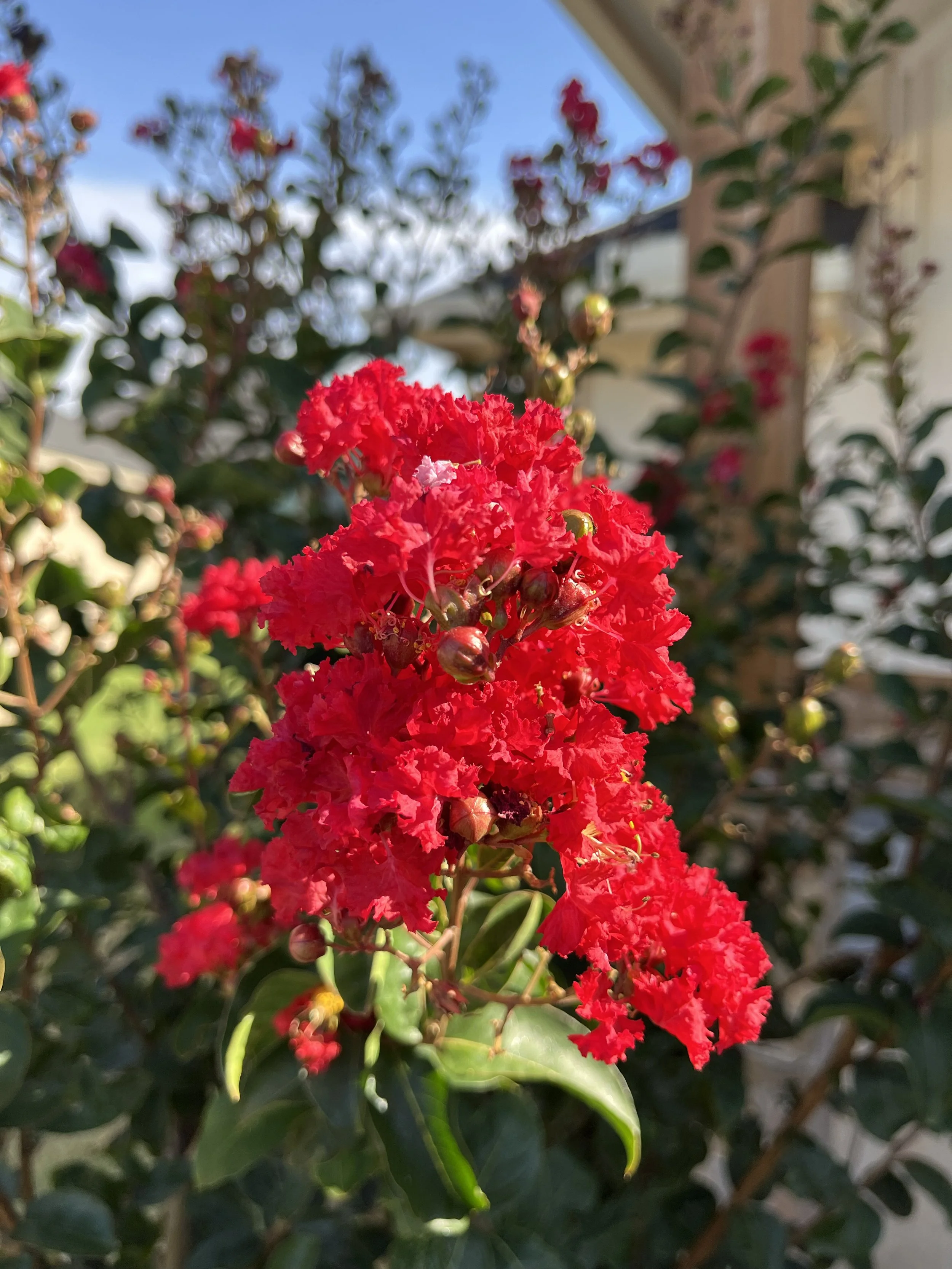
Crape Myrtles have put on a great color show through the heat of this summer.
Soon we will be talking about how much we love the cooler days of September. Trees, shrubs and flowers will appear more vibrant, and fescue lawns will return to their grander.
The changing of seasons… What a wonderful time of the year!
Our goal, as always, is to help you have your best lawn and landscape.
If you need assistance with any of the September lawn and landscape tasks, or have questions concerning your lawn and landscape, give us call… (405) 367-3873.
Lorne Hall
Hall | Stewart Lawn + Landscape
(405)367-3873